2026 Best Electric Side Channel Blower for Efficient Performance?
In recent years, the demand for efficient and reliable pumping solutions has surged. Among these, the Electric Side Channel Blower stands out as a crucial component in various industries. According to a recent industry report, the global market for electric blowers is projected to grow by 8% annually through 2026. This growth reflects their rising popularity due to energy efficiency and minimal maintenance.
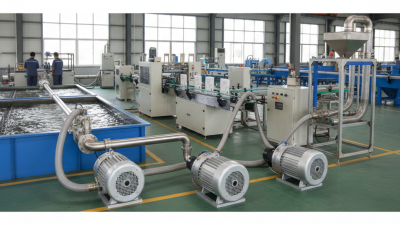
Electric Side Channel Blowers excel in applications ranging from wastewater treatment to pneumatic conveying. They provide high air volume at low pressures, which is ideal for such tasks. Companies using these blowers report up to 30% energy savings compared to traditional models. However, some users struggle with noise levels and vibration issues, which can disrupt operational efficiency.
As we delve into the best options for 2026, evaluating both performance and user feedback is essential. Balancing efficiency with potential drawbacks will ensure informed choices. The upcoming landscape for Electric Side Channel Blowers requires careful consideration of technological advancements and user experiences in order to achieve optimal performance.
Understanding Electric Side Channel Blowers: Key Features and Benefits
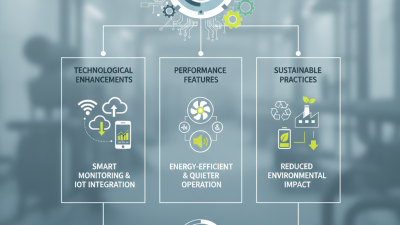
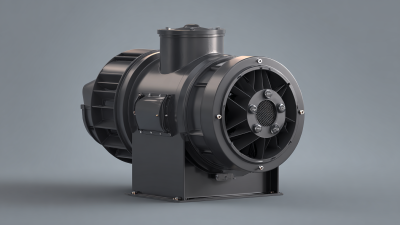
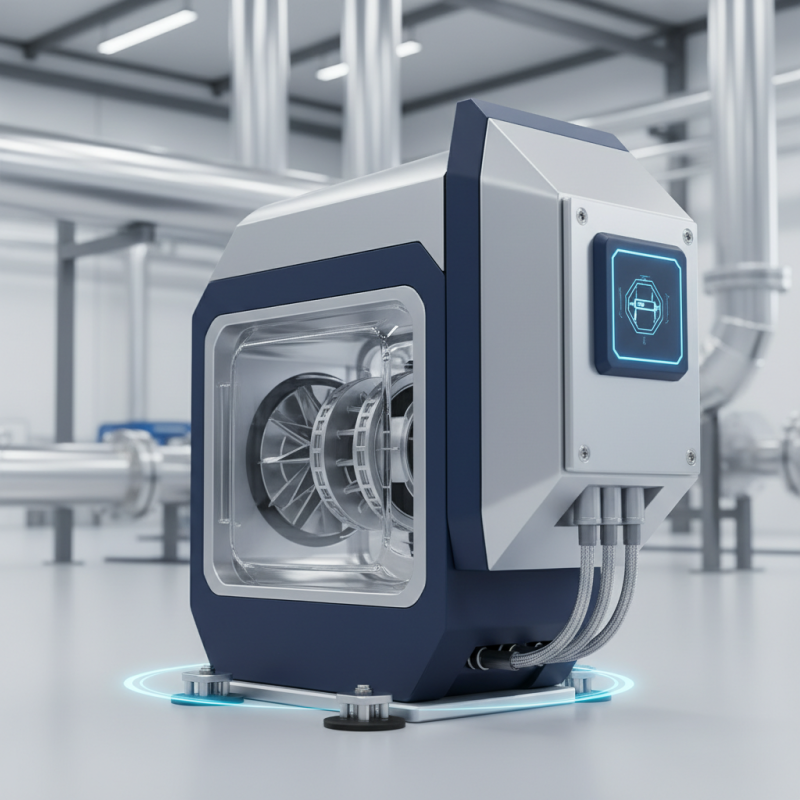
Electric side channel blowers are gaining traction in various industries. Understanding their key features and benefits can guide your purchasing decisions. These blowers offer high efficiency and quiet operation. They are compact and require minimal maintenance. Diagnostic studies show that many businesses report significant energy savings. Some devices reach up to 70% efficiency in energy conversion.
One crucial aspect is versatility. Side channel blowers can handle different gas flows. They operate effectively even under challenging conditions. A recent industry report highlighted that these systems can maintain performance levels with variable pressures. This adaptability is essential for many industrial applications. However, not all models offer the same reliability. Users must evaluate specifications carefully.
Cost is another consideration. While initial investments may seem high, the long-term savings can be substantial. Data suggests that facilities using electric blowers often see returns on investment within two years. Yet, improper installation can lead to energy losses. This is a common oversight. Evaluating the specific needs of your operation can optimize performance and mitigate risks.
Top Brands in Electric Side Channel Blowers for 2026
In 2026, the electric side channel blower market is projected to reach a value of approximately $1.5 billion. This growth stems from an increasing demand for energy-efficient solutions across various industries. Many companies are shifting towards using electric side channel blowers for their high efficiency and low operational costs. Notably, the energy consumption of these units is often 30% lower than comparable technologies.
Top brands in this sector emphasize innovative designs. They focus on optimizing airflow and reducing noise levels. The latest models can achieve a maximum efficiency of over 70%. Industries such as wastewater treatment and pneumatic conveying are particularly benefiting. However, some users report challenges in maintaining these systems. Regular maintenance is crucial to ensure their longevity and peak performance.
Despite high efficiency ratings, challenges remain. Some models may not integrate well with older systems. Users must ensure compatibility to maximize performance. Moreover, smaller manufacturers often struggle to compete with established brands, leading to a less diverse market. The emphasis on durability versus initial cost continues to spark debates within the industry. Balancing quality with affordability remains crucial for consumers.
2026 Best Electric Side Channel Blower Performance Comparison
This bar chart represents the performance metrics of various electric side channel blowers in 2026 based on efficiency, noise level, airflow, and power consumption. Each metric is crucial for evaluating the overall effectiveness of the blowers in different applications.
Comparative Analysis of Electric vs. Traditional Side Channel Blowers
When considering the choice between electric and traditional side channel blowers, performance is a key factor. Electric blowers offer unique advantages such as lower noise levels and energy efficiency. They usually have a more compact design, fitting into tighter spaces. Additionally, electric models often require less maintenance, which can save time and costs in the long run.
However, traditional side channel blowers also have their merits. Many users find that they can provide higher airflow rates. These blowers are often seen as more robust in certain industrial applications. There's a noticeable power variation, especially in heavy-duty tasks, which can be a crucial consideration. Despite their simplicity, traditional models can suffer from higher energy consumption and maintenance needs. Finding that balance between efficiency and performance is essential.
Every choice comes with trade-offs. Understanding the specific needs of your application can guide you to the right decision. Each blower type has its strengths and weaknesses. It's crucial to reflect on which features matter most for your particular situation.