Top 10 Benefits of Floating Pump Aerators for Your Business?
In today's competitive landscape, businesses must find innovative solutions to improve efficiency and sustainability. Floating pump aerators are a game changer in this regard. "Floating pump aerators can significantly enhance water quality and reduce operational costs," says Dr. Linda Chen, a leading expert in water management. This technology allows for efficient aeration in various water bodies, promoting healthier aquatic environments.
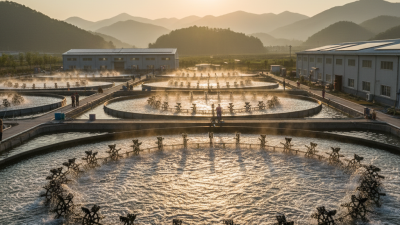
Floating pump aerators create a unique method of oxygenating water. By utilizing buoyant structures, they are not restricted by a fixed location. This adaptability makes them ideal for ponds, lakes, and treatment facilities. The result? Enhanced oxygen levels that boost waste decomposition and overall water health. However, it is essential to consider the initial installation and maintenance costs.
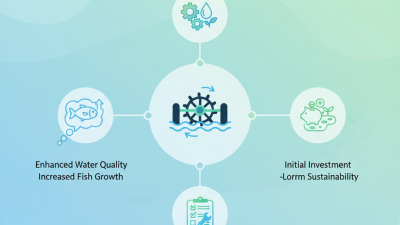
Business owners must also reflect on their long-term benefits versus upfront investments. While these aerators offer remarkable advantages, understanding all aspects is crucial. A successful implementation requires knowledge of the specific environment and water needs. Embracing the floating pump aerator technology can lead to transformative results, but it necessitates careful planning and execution.
Advantages of Floating Pump Aerators for Wastewater Treatment Efficiency
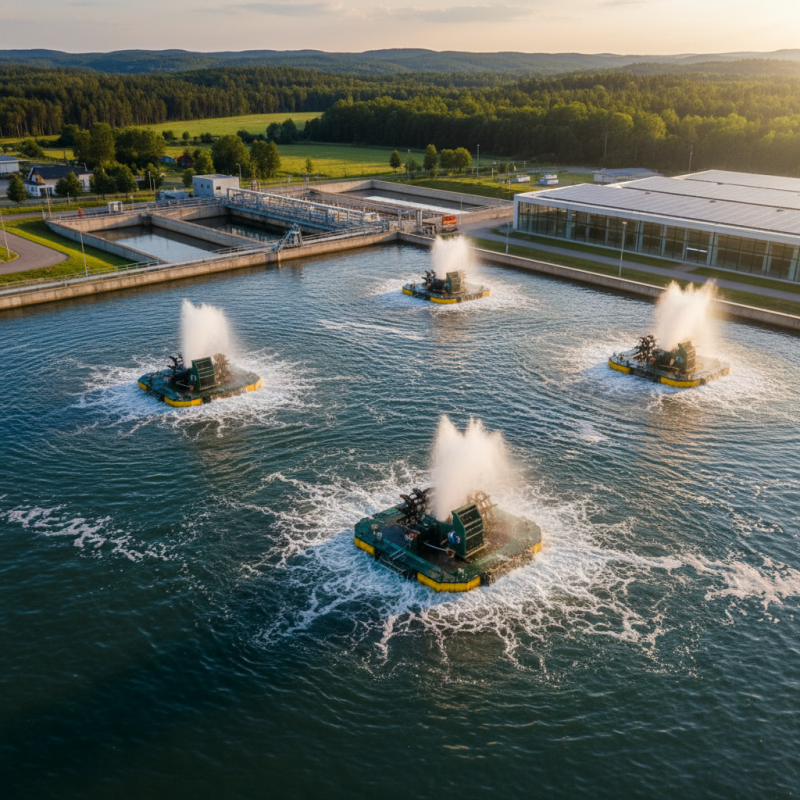
Floating pump aerators are revolutionizing wastewater treatment efficiency. These systems enhance oxygen transfer, which is crucial for anaerobic and aerobic processes. Efficient oxygen supply can reduce treatment time and enhance the decomposition of organic materials, improving overall water quality.
Studies show that implementing floating pump aerators can increase oxygen transfer rates by up to 50%. This improvement leads to a significant reduction in energy consumption. In fact, energy costs can be reduced by as much as 30% when using these aerators compared to traditional methods. Such data underscores the potential savings for businesses focused on sustainable practices.
However, floating pump aerators are not without challenges. Installation may require specific site assessments to ensure optimal placement. Additionally, operating conditions can affect performance. Regular maintenance is essential to sustain their efficacy. Observing fluctuations in oxygen levels can also provide insights into system performance. This data can guide necessary adjustments, allowing facilities to fully capitalize on these innovative aeration solutions.
Top 10 Benefits of Floating Pump Aerators for Your Business
Impact of Floating Pump Aerators on Fish Growth and Aquatic Ecosystems
Floating pump aerators play a crucial role in enhancing fish growth and maintaining aquatic ecosystems. These devices increase oxygen levels in water, essential for fish survival. Higher oxygen concentrations support fish metabolism and growth. Without sufficient oxygen, fish may experience stunted growth or even die. This disruption often leads to an unbalanced ecosystem, impacting both aquatic life and biodiversity.
Moreover, floating pump aerators can help reduce harmful algae blooms. These blooms thrive in stagnant water with low oxygen. By promoting circulation, aerators help maintain healthier water quality. This not only supports fish growth but also benefits other organisms in the ecosystem. Some studies suggest that increased water movement can enhance the proliferation of beneficial microorganisms. However, in certain cases, the disturbance caused by aerators may displace sensitive species.
Implementing floating pump aerators requires careful consideration. While they have many benefits, they can also create challenges. For example, the increased water movement might disrupt established habitats. It’s vital to assess local conditions carefully. Understanding the specific needs of the ecosystem can lead to better outcomes. Balancing aeration with the natural environment is essential for achieving lasting benefits.
Cost Savings Analysis: Floating Pump Aerators vs. Traditional Aeration Methods
Floating pump aerators offer a cost-effective alternative to traditional aeration methods. A recent industry report states that businesses can reduce operational costs by up to 30% when using floating pump aerators. These devices require less energy, lowering electricity bills significantly. In addition, maintenance costs tend to be lower, primarily due to their simple design and fewer mechanical parts.
For example, floating pump aerators can aerate large bodies of water without the need for extensive infrastructure. Traditional aeration often involves complex setups that require significant capital investment. A survey by the Water Environment Federation indicates that 40% of businesses experience savings by reducing infrastructure costs when switching to floating pump systems.
Tip: Regularly monitor the performance of your floating pump aerators. Simple maintenance checks can greatly enhance efficiency and prolong equipment life.
Moreover, floating aerators have a shorter installation time. This leads to quicker returns on investment. However, it is crucial to select the right model for specific business needs. Businesses often overlook this, which can lead to underperformance in aeration efficiency.
Tip: Consult with professionals to evaluate your water body’s unique conditions before making a choice. Understanding local environmental factors can aid in selecting the best system.
Energy Efficiency Improvements Linked to Floating Pump Aeration Technologies
Floating pump aerators are transforming the way businesses manage water bodies. One significant benefit is energy efficiency. These systems minimize energy consumption while maximizing oxygen transfer, crucial for maintaining aquatic health. As a result, companies save on operational costs and reduce their carbon footprints.
The integration of floating pump aerators can lead to notable improvements in energy use. Many businesses report cuts in energy bills due to the aerators’ ability to optimize airflow. This increase in efficiency is essential for sustainable operations, particularly for industries reliant on water resources.
**Tip:** Regular maintenance of aerators ensures they operate at peak efficiency. This can prevent energy waste and extend operational lifespan.
However, it's important to note that transitioning to these technologies requires upfront investment. Some companies may hesitate due to costs. Yet, the long-term savings and environmental benefits can outweigh initial expenses.
**Tip:** Consider conducting a feasibility study to assess potential savings before making a decision. This can help in understanding the true value of floating pump aerators for your business.
Top 10 Benefits of Floating Pump Aerators for Your Business
| Benefit |
Description |
Energy Efficiency Improvement (%) |
| Increased Oxygenation |
Floating pump aerators enhance dissolved oxygen levels in water bodies, promoting healthy aquatic life. |
20% |
| Reduced Energy Costs |
The energy efficiency of floating aerators leads to lower operational costs over time. |
15% |
| Improved Water Quality |
Aeration helps in the breakdown of pollutants, resulting in cleaner water. |
25% |
| Enhanced Treatment Efficiency |
Floating aerators improve the efficiency of water treatment processes. |
30% |
| Lower Maintenance Requirements |
These technologies often require less maintenance compared to fixed aerators. |
10% |
| Versatility |
Can be used in various water bodies, including ponds and lagoons. |
N/A |
| Scalability |
Easily scalable based on the size and needs of the water body. |
N/A |
| Environmental Benefits |
Contributes to the reduction of harmful algal blooms and improves biodiversity. |
20% |
| Increased Aesthetic Appeal |
Improves the visual quality of water bodies, making them more appealing for recreation. |
N/A |
| Cost-Effective Solution |
Provides a lower-cost alternative to traditional aeration methods while achieving similar results. |
15% |
Regulatory Compliance Benefits of Utilizing Floating Pump Aerators in Operations
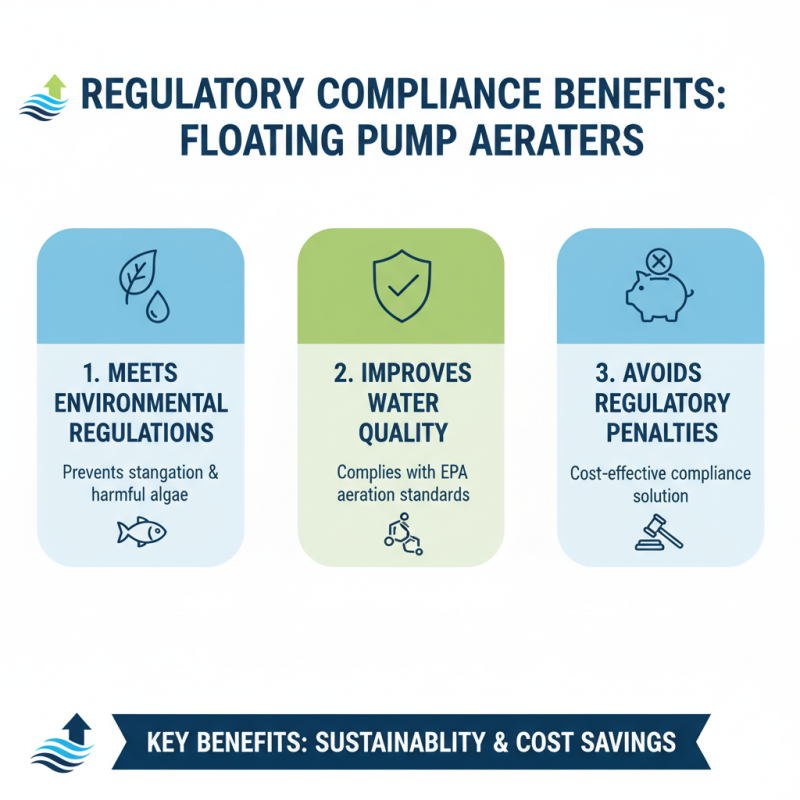
Floating pump aerators are increasingly recognized for their role in regulatory compliance. Many industries face stringent environmental regulations. Utilizing these aerators can help businesses meet these requirements effectively. For instance, the EPA emphasizes the need for proper aeration to maintain water quality standards. Effective aeration prevents stagnation and harmful algae blooms, which can lead to regulatory penalties.
In a study by the Water Environment Federation, it was found that businesses with efficient aeration systems reduced compliance violations by over 30%. This statistic highlights the importance of investing in floating pump aerators. They enhance oxygen transfer in water bodies, supporting aquatic life while keeping operations within legal limits. This proactive approach not only ensures compliance but also promotes sustainable practices.
However, not all floating aerators deliver the same results. Some may require frequent maintenance to function optimally, undermining their benefits. It's crucial to evaluate the operational costs and effectiveness before deciding. Regular assessments can reveal areas for improvement, ensuring that regulatory standards are continuously met. Addressing these challenges can lead to enhanced environmental performance and a more sustainable future for businesses.