Top Benefits of Regenerative Air Blower for Global Buyers?
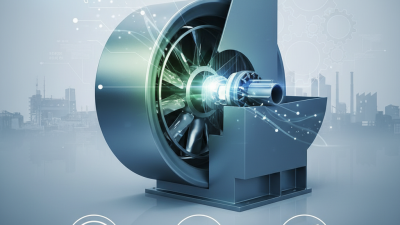
The global demand for efficient air management systems has never been higher. Businesses are constantly seeking innovative solutions that enhance operational efficiency and reduce environmental impact. The regenerative air blower stands out in this landscape, offering unique advantages that appeal to a diverse range of industries.
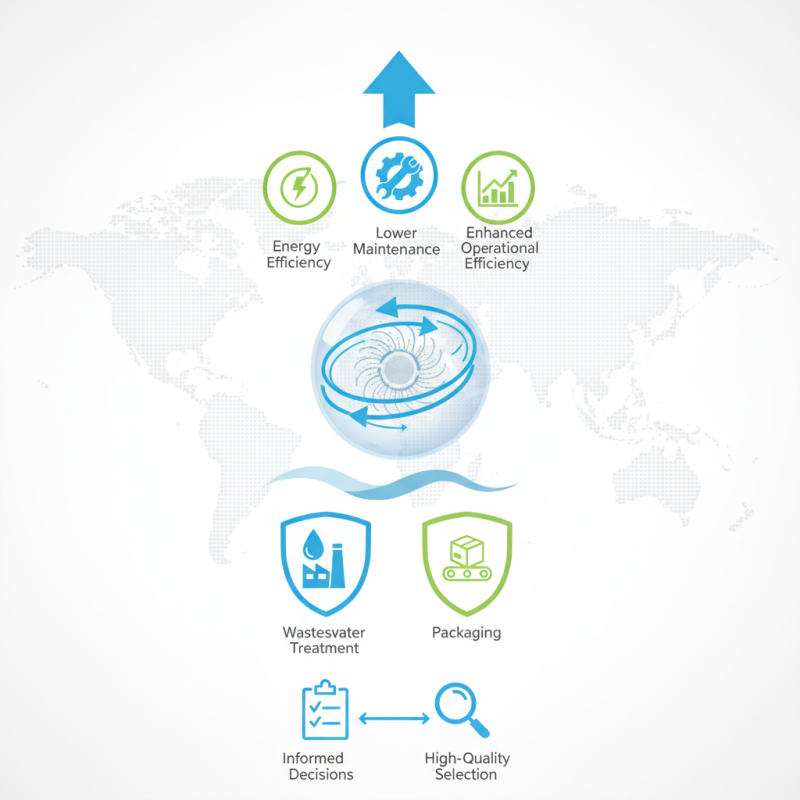
According to a recent market analysis by Research and Markets, the global blower market is projected to reach $7.8 billion by 2025, with regenerative air blowers gaining traction due to their energy efficiency. These blowers utilize a simple yet effective design that minimizes moving parts. This translates to lower maintenance costs and fewer downtime incidents. However, many buyers remain unaware of the extensive benefits these systems can provide.
Regenerative air blowers not only demonstrate reliability but also adaptability across various applications. Their versatility makes them suitable for industries ranging from wastewater treatment to packaging. Buyers must critically assess their options, as not all blowers deliver the expected performance. Industry experts emphasize the importance of selecting high-quality, durable models that meet specific operational needs. As the market continues to evolve, a deeper understanding of regenerative air blowers will empower global buyers to make informed decisions.
Advantages of Regenerative Air Blower in Industrial Applications
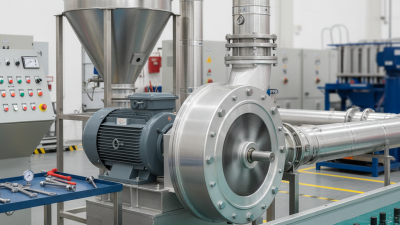
Regenerative air blowers offer numerous benefits in industrial applications. These devices are designed to efficiently move air and other gases. They are compact and have low maintenance needs. This makes them ideal for factories and processing plants. The air blowers can operate continuously, providing a reliable source of airflow. Industries see improved productivity with their use.
One key advantage is energy efficiency. Regenerative air blowers consume less power compared to traditional options. This can lead to significant cost savings in energy bills. Companies can reduce their carbon footprint too. However, it is essential to select a blower that meets specific operational requirements. Overestimating needs can result in wasted energy and inefficiency.
Tip: Regular maintenance of blowers extends their lifespan. Check for dust accumulation and ensure proper lubrication. Additionally, watching for unusual noises can prevent bigger issues later. Always consult expert guidelines for best practices in upkeep. Balanced air flow is crucial for optimal performance. Adjust accordingly to avoid system strain.
Cost-Efficiency of Regenerative Air Blowers for Global Industries
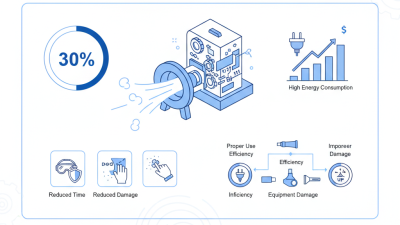
Regenerative air blowers are gaining attention for their cost-efficiency in various global industries. A recent industry report indicates that these blowers can reduce energy consumption by up to 30% compared to traditional options. This significant saving impacts operational costs. Companies can reinvest those savings into other critical areas.
Moreover, regenerative air blowers have lower maintenance costs. They typically have fewer moving parts, which leads to reduced wear and tear. As a result, industries find less downtime, enhancing productivity. Some studies show that downtime costs companies approximately $200,000 per hour. Regenerative blowers can mitigate these losses.
However, not all regenerative blowers are created equal. Some models may underperform, failing to meet specific industry demands. Buyers need to be cautious and assess the operational environment. Factors like noise levels and installed equipment compatibility should be considered. In the pursuit of cost efficiency, addressing these aspects is crucial to avoid potential oversights.
Top Benefits of Regenerative Air Blower for Global Buyers
| Benefit |
Description |
Industry Use |
Cost Efficiency ($/year) |
| Energy Efficiency |
Lower energy consumption compared to traditional blowers, leading to lower operating costs. |
Manufacturing |
$5,000 |
| Low Maintenance |
Fewer moving parts result in reduced maintenance needs and costs. |
Waste Water Treatment |
$3,200 |
| Compact Design |
Space-saving design ideal for limited installations. |
Food Processing |
$4,000 |
| Noise Reduction |
Quieter operation compared to roots blowers, improving workplace conditions. |
Packaging |
$2,500 |
| Durability |
Long lifespan leads to lower total cost of ownership. |
Aquaculture |
$3,800 |
Environmental Sustainability of Regenerative Air Blowers Compared to Alternatives
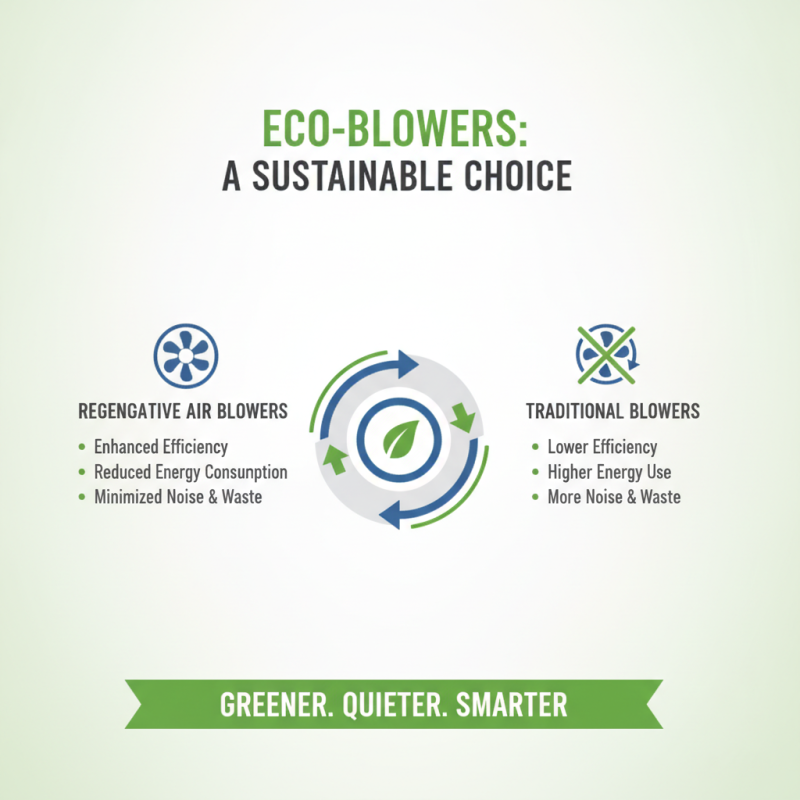
Regenerative air blowers are an excellent choice for buyers committed to environmental sustainability. These devices are designed to enhance efficiency and reduce energy consumption. By utilizing a unique design, they minimize noise pollution and energy waste, making them a more eco-friendly alternative than many traditional blowers.
One notable advantage of regenerative air blowers is their ability to reuse energy. They feature a system that recycles air within the casing, leading to lower operational costs over time. This helps companies decrease their carbon footprint. However, choosing the right blower requires understanding your specific needs. Not every solution fits every scenario.
Tips: Assess your application requirements thoroughly. Look for blowers with high efficiency ratings to ensure optimal performance. Always consider upkeep costs, as these can vary significantly among options. Be aware that while regenerative blowers have advantages, they may not suit every operation. Testing and evaluation might be necessary to find the best fit for your sustainability goals.
Versatility of Regenerative Air Blowers in Diverse Sectors
Regenerative air blowers are gaining traction
across various industries. Their unique design allows for efficient airflow management.
These blowers find utility in wastewater treatment,
aquaculture, and packaging. In wastewater facilities, they help aerate water effectively.
This process promotes cleaner and healthier water.
In aquaculture, regenerative air blowers support oxygenation in fish farming.
The steady flow of air enhances fish growth and productivity. Additionally, in packaging, they assist in filling and sealing processes.
Their versatility shines in these applications, offering better performance and energy savings.
Yet, the reliance on such technology comes with challenges. Maintenance is crucial for efficiency.
Users must ensure regular checks to prevent potential failures.
Additionally, while regenerative blowers are efficient, they may not be suitable for all scenarios.
Understanding specific needs is essential for successful implementation.
Maintenance and Longevity Benefits of Using Regenerative Air Blowers
Regenerative air blowers offer significant maintenance and longevity benefits that are often overlooked. These units typically have fewer moving parts compared to traditional blowers. This simplicity translates to less wear and tear over time. As a result, operators spend less on repairs and replacements. Regular maintenance becomes easier, too. A straightforward design means technicians can quickly assess and fix issues.
Another aspect is energy efficiency. Regenerative air blowers operate using a unique mechanism that minimizes energy consumption. Less energy usage means lower operational costs, which is crucial for budget-conscious operations. Additionally, some users report more consistent airflow over extended periods. This can enhance system performance and reduce stress on other components. Users should regularly monitor performance and address any fluctuations promptly.
It's also important to consider installation. The compact design of regenerative air blowers allows them to fit into tight spaces. This flexibility can simplify setups in various environments. However, some installations may pose challenges that require careful planning. The key is to understand both the needs and limitations of each facility. This ensures optimal performance without unexpected issues.