Why Choose a Centrifugal Exhaust Fan for Your Ventilation Needs?
Choosing a Centrifugal Exhaust Fan for your ventilation needs can significantly impact air quality and energy efficiency. Professional reports indicate that proper ventilation reduces indoor air pollutants by up to 50%, enhancing comfort and health. Centrifugal Exhaust Fans are designed to handle high air volumes with low noise levels, making them essential in both industrial and residential applications.
The need for effective ventilation is undeniable. According to the American Society of Heating, Refrigerating and Air-Conditioning Engineers (ASHRAE), inadequate ventilation correlates with increased health issues. Centralized systems often lack the flexibility provided by Centrifugal Exhaust Fans. These fans can be strategically placed to maximize airflow where it's needed most. However, their installation and maintenance require careful planning to avoid operational inefficiencies.
Choosing the right centrifugal model is crucial. Not all fans perform equally in every environment. Selecting the wrong one can lead to poor air movement and higher energy costs. Research shows that energy-efficient fans can reduce electricity use by up to 30%. Ultimately, making an informed choice contributes to a healthier space while optimizing energy use.
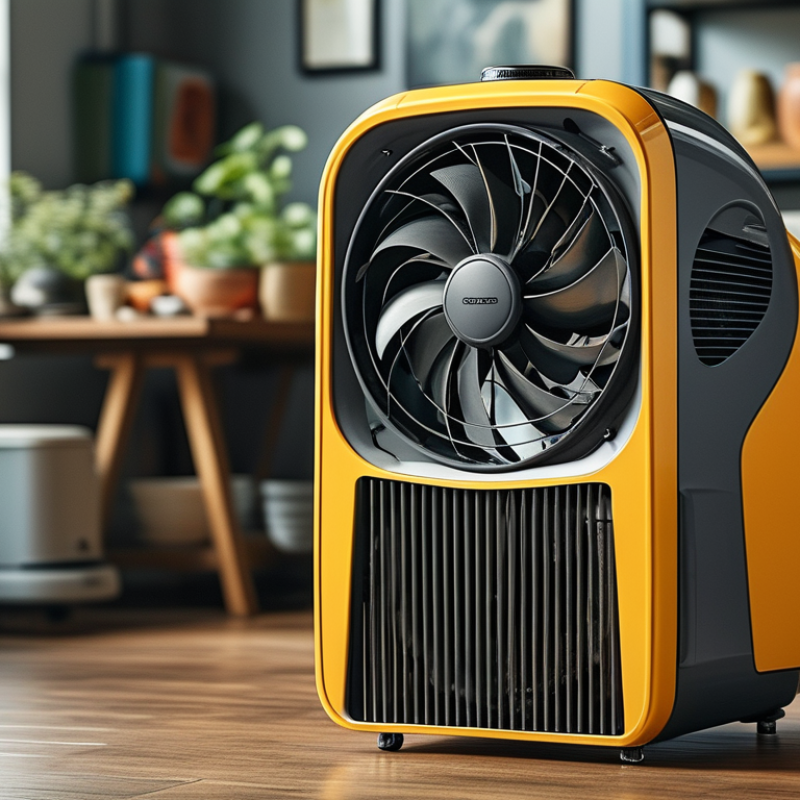
Understanding Centrifugal Exhaust Fans and Their Applications
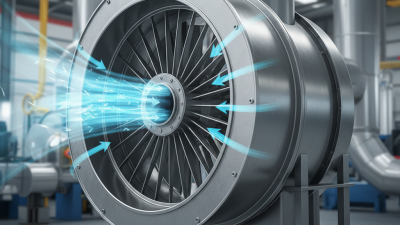
Centrifugal exhaust fans are vital for various ventilation needs. They operate by drawing air into the fan and expelling it at a higher pressure. This design makes them efficient for tasks requiring the removal of stale air, smoke, or fumes from spaces. They find applications in commercial kitchens, industrial settings, and even residential areas.
Choosing a centrifugal exhaust fan means considering factors like airflow requirements and noise levels. You must match the fan's capacity with your space's needs. Ensure proper installation to maximize effectiveness.
Tips: Always check for the correct size. A fan that is too small won't ventilate effectively. Look for energy-efficient options to reduce long-term costs. Regular maintenance is crucial, too; clean the fan blades to maintain airflow and performance. Remember, a well-installed fan can greatly improve indoor air quality.
Key Advantages of Centrifugal Exhaust Fans in Ventilation Systems
Centrifugal exhaust fans play a crucial role in ventilation systems. They are known for their efficiency and performance. According to recent reports, these fans can move air at higher pressures compared to other fan types. This makes them ideal for environments that require effective air extraction.
One of the key advantages of centrifugal fans is their ability to operate quietly. Many designs minimize noise, which is vital for spaces like offices and homes. Studies indicate that sound levels in these environments can improve by 30% with the right fan. Moreover, centrifugal fans can handle longer duct runs, maintaining airflow integrity. This can lead to reduced energy costs, a factor more businesses are considering today.
Often, people overlook the need for regular maintenance. Neglecting this aspect can lead to efficiency loss. It’s a common challenge as fans age or are subject to harsh conditions. Observing the wear and tear of fan components can prevent costly failures down the line. Investing in quality ventilation is not just about buying a fan; it involves planning and ongoing care. This ensures a reliable, efficient system that meets the ventilation needs of any space.
Industry Standards: Performance Metrics for Centrifugal Exhaust Fans
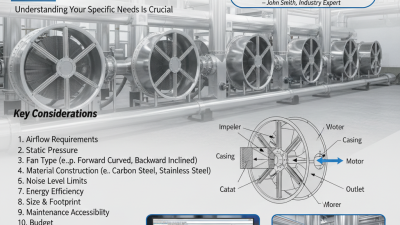
When selecting a centrifugal exhaust fan, understanding industry standards is crucial. Performance metrics define how effective these fans are in various environments. Key factors include airflow rate, static pressure, and noise levels. Each fan's airflow is measured in cubic feet per minute (CFM). This metric indicates how quickly air moves through the system. A higher CFM often means better ventilation.
Static pressure is another important measure. It impacts a fan's ability to push air against resistance in ducts. If static pressure is too high, performance may decrease. Noise levels should also be considered, especially in residential areas. Some fans operate quietly, while others produce more sound. It’s essential to balance efficiency with comfort.
Sometimes, metrics can be misleading. A fan may boast impressive numbers but fail in practical applications. It’s wise to consult industry guidelines and work with experts. They can provide insights into real-world performance. Understanding your specific needs will help in making informed choices. Aim for reliability and quality, rather than just numbers. This approach can lead to long-lasting ventilation solutions.
Energy Efficiency: Impacts of Centrifugal Fans on Operational Costs
When considering ventilation needs, energy efficiency plays a crucial role. Centrifugal exhaust fans are known for their effective airflow management and lower operational costs. According to the Department of Energy, optimizing ventilation efficiency can reduce energy consumption by up to 30%. This statistic highlights the importance of selecting the right fan for your system.
Centrifugal fans maintain consistent airflow against high static pressures. They are designed to handle various duct configurations and distances. This versatility can lead to improved energy savings. A study by the American Society of Heating, Refrigerating and Air-Conditioning Engineers (ASHRAE) found that businesses switching to energy-efficient fans could see reductions in their energy bills by nearly $2,000 annually. However, it's essential to ensure that fans are properly sized for your application. An oversized fan may lead to unnecessary energy expenditure.
While centrifugal fans offer significant advantages, there are areas for improvement. Maintenance can be overlooked, impacting fan efficiency over time. Regular checks and cleanings can prevent performance drops. Additionally, the initial investment compared to traditional fans might be a concern. Nevertheless, the long-term savings and sustainability benefits often outweigh these considerations. Implementing the right technology is a journey that requires careful planning and assessment.
Energy Efficiency of Centrifugal Exhaust Fans
This chart illustrates the operational costs per month associated with standard exhaust fans versus centrifugal exhaust fans. As shown, the centrifugal fan offers a significant reduction in operational costs, making it a more energy-efficient choice for ventilation needs.
Comparative Analysis: Centrifugal vs. Axial Fans in Industrial Settings
When choosing between centrifugal and axial fans, understand their unique advantages in industrial settings. Centrifugal fans excel in applications requiring high pressure and airflow against resistance. They are suitable for dust collection, fume extraction, and HVAC systems. In contrast, axial fans are known for their efficiency in moving large volumes of air with lower pressure. This means they are ideal for cooling applications in large spaces.
Data from industry reports indicate that centrifugal fans can achieve static pressures from 2,000 to over 10,000 Pa, making them strong contenders for complex installations. Axial fans, while effective, typically offer pressures around 200 to 1,500 Pa. This significant difference can impact performance in specific applications. Choosing the wrong fan type can lead to energy inefficiency or inadequate ventilation.
Tips: Opt for centrifugal fans if space constraints and high resistance are issues. Assess your specific ventilation needs carefully. Evaluate long-term operational costs versus initial investment.
Keep in mind; centrifugal fans may require more maintenance due to their complex design. Regular checks can help avoid unexpected downtimes. Axial fans, while simpler, may fall short in environments needing high airflow against static pressure. Understand your context to choose wisely.