Why Choose Paddle Wheel Aerators for Your Aquaculture Needs?
In the aquaculture sector, effective aeration is crucial for maintaining healthy aquatic environments. According to the Aquaculture Research Journal, well-oxygenated water contributes to a 20% increase in fish growth rates. Paddle Wheel Aerators play a key role in this process, enhancing water circulation and oxygen distribution.
Dr. John Lee, an expert in aquatic systems, points out, "Paddle Wheel Aerators are essential for optimal pond health." This equipment is designed to improve oxygen levels in water bodies, ensuring that fish and other organisms thrive. However, not all aerators perform equally. The choice of aerator can significantly impact overall productivity and sustainability in aquaculture.
Selecting the right aeration system involves consideration of water bodies' specific conditions. Factors such as pond size, depth, and species type should be analyzed. Even experienced aquaculturists may underestimate the importance of proper aeration. Inadequate oxygen levels can lead to stress and decreased growth rates in fish. The Paddle Wheel Aerator, when chosen wisely, can make a notable difference in aquaculture success.
Benefits of Paddle Wheel Aerators in Aquaculture Operations
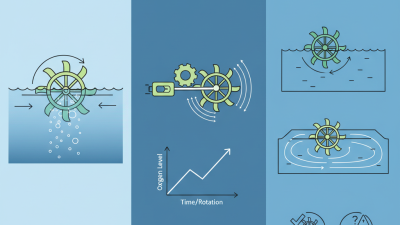
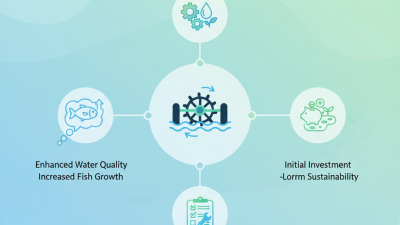
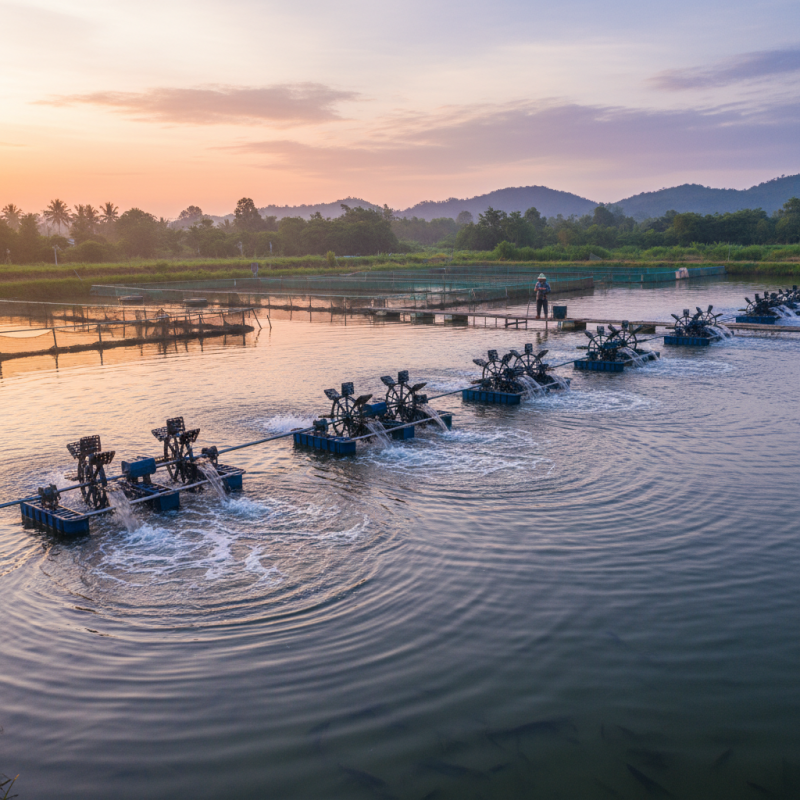
Paddle wheel aerators play a vital role in aquaculture. They enhance water circulation and improve oxygen levels in ponds, ensuring a healthier environment for fish and other aquatic species. With proper aeration, fish grow faster and are less susceptible to diseases. Farmers often notice a significant increase in yield due to better oxygen distribution.
Using paddle wheel aerators also helps in the management of waste. These devices break down organic matter more effectively, reducing the buildup of harmful substances. This creates a cleaner environment for aquatic life. However, not all aerators are equally effective. Selecting the right design and size for specific needs is crucial. It requires experience and understanding of local conditions.
Cost is another factor to consider. While paddle wheel aerators can be expensive initially, they often lead to cost savings over time. Improved growth rates and lower mortality can offset the initial investment. However, ongoing maintenance is vital for performance. Regular checks and adjustments are necessary to ensure efficiency and reliability in operations.
Comparison of Paddle Wheel Aerators vs. Other Aeration Methods
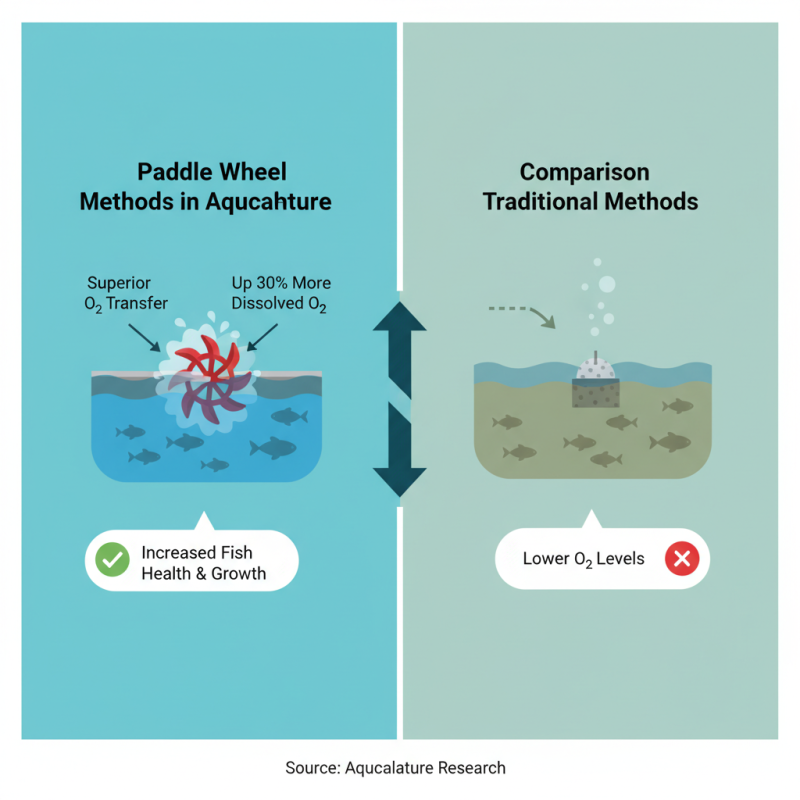
In aquaculture, paddle wheel aerators are a popular choice due to their efficiency. Compared to traditional aeration methods, they provide superior oxygen transfer rates. Studies indicate that paddle wheel aerators can increase dissolved oxygen levels by up to 30% in ponds. This is crucial for fish health and growth.
Other methods, like diffused aeration or surface aerators, may pose challenges. Diffused aeration often requires more maintenance and is less effective in deeper waters. Surface aerators, although simple, can create surface turbulence that might stress fish. A study by the Aquaculture Research Institute found paddle wheel aerators significantly improved fish yield compared to other methods.
Tips: When selecting aeration equipment, consider water depth and fish species. Monitor oxygen levels regularly to ensure optimum conditions. Also, reflect on your aeration needs. Sometimes, the most popular choice isn’t the best for your specific situation.
Key Technical Specifications of Paddle Wheel Aerators for Fish Farming
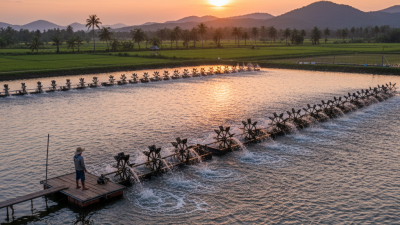
When it comes to aquaculture, paddle wheel aerators are an excellent choice. They enhance water circulation and ensure adequate oxygen levels for fish. The design allows for consistent mixing, which is critical in maintaining a healthy aquatic environment.
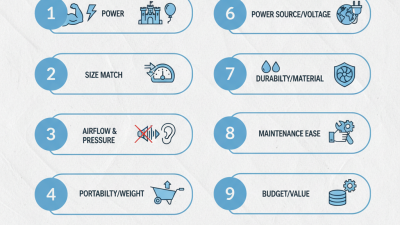
Consider the aerator's power rating; this usually ranges from 0.5 to 5 horsepower. Higher horsepower often means more efficient aeration, but the requirement should match the specific needs of your farm.
In addition to power, the size and depth of the aerator are vital. A typical paddle wheel aerator can handle depths up to 1.5 meters effectively. However, this depth may vary based on the species being farmed. The material used in construction should also be sturdy to withstand aquatic conditions.
Corrosion-resistant materials enhance longevity and reduce maintenance needs.
Noise levels can be a concern as well. Some aerators are quieter than others, which can be essential in residential areas. Assess the maintenance costs too. While some models might be more affordable upfront, they could require more frequent repairs.
Each of these specifications should align with your specific goals and the environment of your aquaculture system. It is worthwhile to reflect on your farm's unique requirements before making a decision.
Impact of Aeration on Water Quality and Aquatic Life Health
Aeration plays a crucial role in maintaining healthy aquatic ecosystems.
Paddle wheel aerators enhance oxygen levels in water bodies.
This improved oxygen availability is vital for fish and other aquatic organisms.
Adequate dissolved oxygen helps support growth and reproduction in fish.
Moreover, it reduces stress levels in aquatic life.
Effective aeration also aids in controlling harmful gases like ammonia.
High ammonia levels can be toxic to fish.
By facilitating gas exchange, paddle wheel aerators help maintain a balanced environment.
However, not all aeration systems are alike. Some may disrupt the habitat or create uneven conditions.
Finding the right system requires careful consideration.
Investing in aeration technology can transform water quality.
But it’s essential to monitor aeration's impact continually.
Water quality changes are not always predictable.
Adjustments may be necessary to ensure optimal conditions.
Understanding specific needs in aquaculture can lead to better health for your aquatic life.
Cost-Effectiveness and Efficiency of Paddle Wheel Aerators in Aquaculture
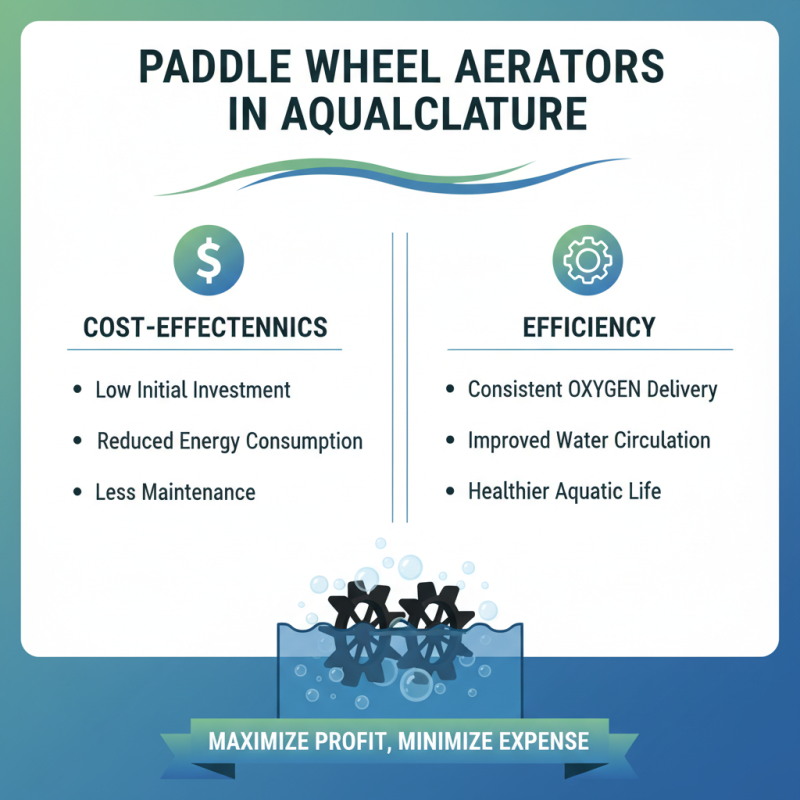
Paddle wheel aerators have become increasingly popular in aquaculture, and for good reason. Their design maximizes efficiency while minimizing costs, making them an attractive option for fish farmers. One of their key advantages is their ability to deliver consistent oxygen levels across large ponds. This ensures a healthier environment for aquatic life.
In terms of cost-effectiveness, paddle wheel aerators stand out. They require less energy compared to other aeration methods, reducing operational costs significantly. Farmers notice immediate savings on energy bills. However, it’s essential to evaluate maintenance needs. While these aerators are generally durable, they can require repairs. Over time, these expenses can add up, prompting careful consideration.
Efficiency is another critical factor. Paddle wheel aerators can circulate water, promoting better nutrient distribution. This leads to improved growth rates for fish and other aquatic organisms. Yet, the effectiveness may vary based on pond size and design. Not all setups yield the same results. Aquaculturists must reflect on their unique conditions before deciding. Balancing costs and efficiency demands ongoing assessment to achieve optimal results.