How to Choose the Right Floating Pump Aerator for Your Pond or Lake
When it comes to maintaining the health and aesthetics of a pond or lake, one of the most effective tools at your disposal is a Floating Pump Aerator. These devices play a vital role in enhancing water quality by promoting oxygen circulation and preventing stagnation. Choosing the right floating pump aerator is crucial for ensuring that your aquatic environment thrives. With various models and features available, it’s essential to consider several factors such as water volume, depth, and the specific needs of the ecosystem you are supporting.
In this guide, we will explore the essential aspects to consider when selecting a Floating Pump Aerator that best suits your pond or lake. From understanding the aerator's capacity to examining its power source, each element plays a significant role in the efficiency and effectiveness of the device. By making informed choices, you can enhance oxygen levels, improve water clarity, and foster a balanced habitat for fish and other aquatic organisms. Whether you are a seasoned water body enthusiast or a newcomer, this comprehensive outline will help you navigate the process of finding the ideal floating pump aerator for your needs.
Factors to Consider When Selecting a Floating Pump Aerator
When selecting a floating pump aerator for your pond or lake, several factors should be
carefully considered to ensure that you choose the most suitable model for your specific needs. First, assess the size
and depth of your water body. Larger ponds or lakes may require a more powerful aerator capable of circulating water
over a greater distance, while smaller bodies of water might benefit from a less potent device. Additionally, consider
the water's characteristics, such as its temperature and the presence of aquatic life, as these factors can influence
the necessary aeration levels.
Another critical aspect is the nature of the surrounding environment. If your pond or lake is subject to high wind
exposure, a floating aerator designed to withstand strong currents and waves will be
beneficial. Furthermore, evaluate the power source for the aerator; solar-powered models
provide an eco-friendly option with reduced operational costs, while electric models may require access to reliable
electrical supply. By taking these factors into account, you can select a floating pump aerator that promotes water
quality and enhances the ecosystem of your aquatic environment effectively.
Understanding the Different Types of Floating Pump Aerators Available
When selecting a floating pump aerator for your pond or lake, understanding the various types available is essential. There are primarily three types of floating pump aerators: surface aerators, fountain aerators, and diffused aerators. Surface aerators are designed to agitate the water's surface, increasing oxygen transfer through turbulence, making them ideal for shallow water bodies. They are effective in preventing stratification and promoting a balanced ecosystem.
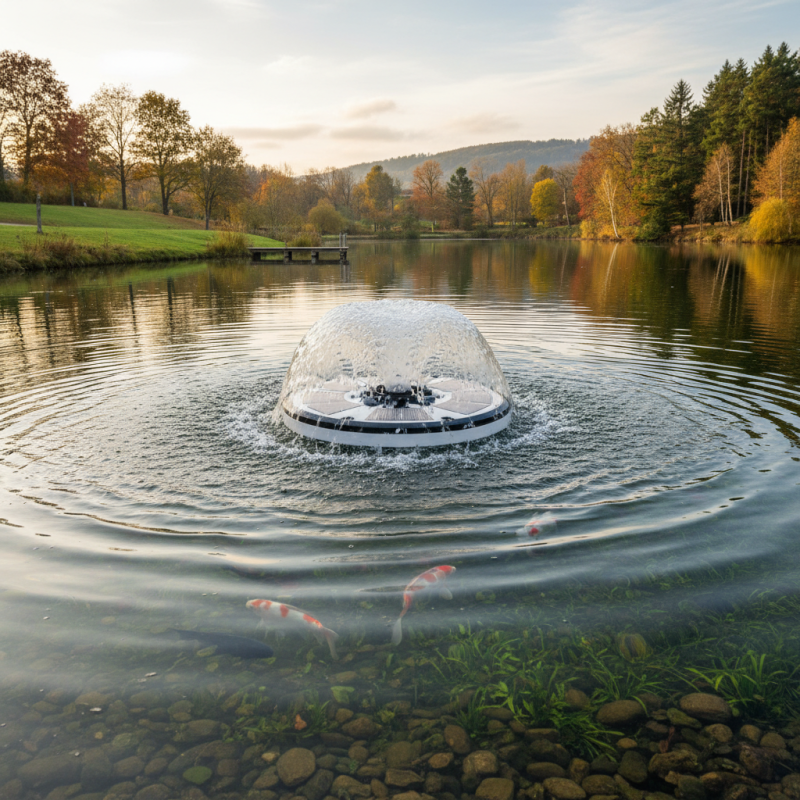
Fountain aerators add both aesthetic appeal and functionality. They elevate water into the air, creating a beautiful spray while simultaneously oxygenating the water as it falls back. This type is particularly useful in decorative ponds and larger lakes where visual enhancement is desired alongside aeration. On the other hand, diffused aerators operate by pushing air through a series of diffusers located at the pond bottom, creating fine bubbles that rise to the surface. This method is efficient for deeper bodies of water and is excellent for maintaining water quality even in larger or deeper environments.
Choosing the right type of aerator largely depends on your specific pond or lake characteristics, including depth, size, and existing aquatic life. Evaluating these variables will help you determine the most suitable aeration system that not only fulfills functional requirements but also enhances the overall health of your aquatic environment.
How to Choose the Right Floating Pump Aerator for Your Pond or Lake - Understanding the Different Types of Floating Pump Aerators Available
| Type of Aerator |
Power Source |
Aeration Rate (GPH) |
Ideal Pond Size (Acres) |
Noise Level (dB) |
Price Range |
| Surface Aerators |
Electric |
1,000 - 5,000 |
0.25 - 1 |
45 - 65 |
$800 - $2,500 |
| Fountain Aerators |
Electric |
800 - 4,000 |
0.5 - 3 |
50 - 70 |
$1,000 - $3,000 |
| Submersible Aerators |
Electric |
500 - 3,500 |
0.1 - 2 |
40 - 60 |
$600 - $2,000 |
| Solar Aerators |
Solar |
300 - 2,000 |
0.1 - 1.5 |
30 - 50 |
$400 - $1,500 |
| Wind Aerators |
Wind |
Varies |
0.5 - 2 |
20 - 40 |
$300 - $1,200 |
Evaluating Aerator Capacity: GPH Ratings and Pond Size Requirements
When selecting a floating pump aerator for your pond or lake, understanding the aerator's capacity, especially its Gallons Per Hour (GPH) rating, is crucial to ensure effective water circulation and oxygenation. The GPH rating indicates the volume of water the aerator can move in one hour. This capacity should be matched to the size of your waterbody to achieve optimal aeration, promoting a healthy aquatic environment. For smaller ponds, a lower GPH rating may suffice, while larger bodies of water require more robust systems to cover the expansive surface area.
To determine the appropriate GPH for your specific pond size, consider the total volume of water in gallons. As a general guideline, an aerator should ideally circulate the entire pond volume at least once every 4 to 6 hours. For instance, if your pond holds 10,000 gallons, an aerator with a GPH rating of around 2,000 to 2,500 would be appropriate. Additionally, factors such as fish stocking density, the presence of organic debris, and surrounding vegetation can also influence the required aeration capacity. By carefully evaluating these aspects, you can choose the right floating pump aerator that effectively meets your pond’s aeration needs, ensuring a balanced ecosystem for aquatic life.
Importance of Power Source: Electric vs. Gas-Powered Aerators
When selecting a floating pump aerator for your pond or lake, the choice between electric and gas-powered options is crucial to ensure optimal performance and efficiency. Electric aerators are increasingly favored due to their environmental advantages and lower operational costs. According to the U.S. Environmental Protection Agency (EPA), electric aerators can be up to 30% more energy-efficient compared to gas-powered alternatives, especially in applications that require continuous operation. This is particularly important for maintaining healthy oxygen levels in larger bodies of water, where adequate aeration is vital for fish and aquatic plant life.
On the other hand, gas-powered aerators offer robust benefits in scenarios where electricity access is limited. They tend to provide higher power outputs, making them suitable for larger lakes or for users needing a portable solution that can operate in remote locations. According to the American Society of Agricultural and Biological Engineers, gas-powered models can be effective for aeration over larger spans due to their mobility and higher horsepower, satisfying the immediate needs of pond management projects in areas lacking electrical infrastructure. However, the trade-off comes in terms of higher emissions and increased maintenance requirements associated with gas-powered aerators, which may negatively impact environmental quality if not managed properly.
Maintenance Tips for Prolonging the Life of Your Floating Pump Aerator
Maintaining a floating pump aerator is essential for ensuring its longevity and optimal performance in your pond or lake. One of the most critical maintenance steps is to regularly inspect the unit for any signs of wear or damage. Check hoses, connectors, and the aerator itself for debris or blockages that may hinder operation. Clearing any obstructions can prevent the unit from working inefficiently and extend its operational lifespan.
Another important tip for prolonging the life of your floating pump aerator is to ensure it operates in appropriate water conditions. Excessive algae growth, high turbidity, or harsh weather conditions can negatively impact the aerator's performance. To combat this, regularly clean the aerator and monitor the water quality to maintain a healthy environment. Additionally, consider adjusting the aerator's position as needed to optimize its effectiveness in different seasons, making sure it remains stable and secure while in use.