Leave Your Message
Choosing the best Regenerative Air Blower requires more than comparing catalog prices. It demands a clear understanding of airflow, pressure, operating conditions, and equipment reliability. In real installations, a blower may run for hours beside a warm machine room, exposed to dust, vibration, or restricted ventilation. These details can change performance significantly.
Start by defining the application precisely. Confirm the required airflow, pressure, inlet conditions, and duty cycle. A blower designed for pneumatic conveying may not suit wastewater aeration or vacuum lifting. Check the performance curve, not only the maximum rating. Maximum figures often describe ideal conditions. They may not reflect continuous operation.
Consider motor efficiency, noise level, cooling design, and maintenance access. Side-channel blowers with properly selected bearings and filters can provide dependable service. However, even a reputable model can fail when its inlet filter becomes blocked. That lesson is easy to overlook. It matters.
Professional selection also includes reviewing manufacturer documentation, test methods, warranty terms, and technical support. Look for clear data, traceable specifications, and application experience. When possible, consult an engineer who has tested similar systems under comparable loads. Field experience can reveal problems that brochures do not mention.
The right Regenerative Air Blower should meet present demands without operating at its limit. Allowing a practical safety margin can improve service life, but excessive capacity may waste energy. This guide examines the key factors, common selection errors, and realistic questions to ask before purchasing. A careful decision now can prevent costly interruptions later.
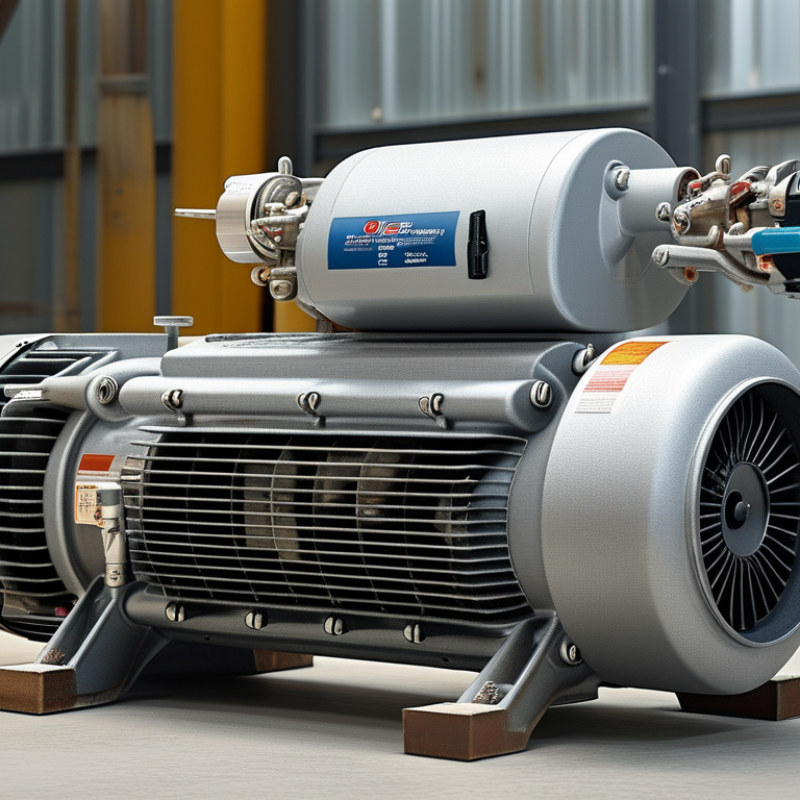
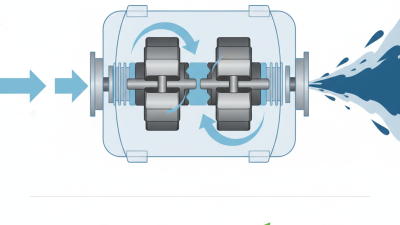
A regenerative air blower moves air through a fast-spinning impeller. Air enters near the center, then centrifugal force pushes it into a circular side channel. The air travels around this channel repeatedly. Each pass adds energy before the air leaves through the outlet. There is no oil-filled compression chamber. Contactless operation can reduce contamination risks and maintenance needs. The pressure rise is moderate, not unlimited.
Field technicians usually select these blowers by matching airflow and pressure at the same operating point. A larger motor does not automatically deliver better performance. Check the duty cycle, inlet temperature, altitude, moisture, and acceptable noise level. For aeration, vacuum lifting, packaging, or pneumatic conveying, small pressure losses can change the result. Measure the pipe length and fittings carefully. Details matter.
The U.S. Department of Energy’s Improving Compressed Air System Performance sourcebook reports that compressed air may consume 10–15% of industrial plant electricity. The Compressed Air and Gas Institute also identifies leakage and poor system design as major efficiency losses. That makes correct sizing important. A blower running far below its design point may waste power. A unit running near its limit may overheat. The simple rule is not perfect. Real systems fluctuate. Test actual flow and pressure, then compare measured power with the supplier’s performance curve. Allowing a small operating margin is usually wiser than choosing the largest available model.