How to Choose the Right Medium Pressure Blower for Your Needs?
When selecting the right medium pressure blower, it is essential to consider various factors. According to a recent industry report by MarketsandMarkets, the global blower market is expected to reach $7.7 billion by 2026, growing at a CAGR of 4.5%. This growth indicates the increasing reliance on medium pressure blowers across multiple sectors.
Medium pressure blowers operate within a range of 1 to 5 psi, making them suitable for numerous applications, ranging from environmental control to industrial use. Data from the American Blowers Association shows that efficiency and energy consumption are critical areas where users often struggle. Many overlook the specific requirements of their application, leading to inefficiency and increased operational costs.
Additionally, sizing a medium pressure blower incorrectly can lead to suboptimal performance. A blower too small may not meet airflow demands, while one too large could waste energy. As companies strive for sustainability, making the right choice becomes even more critical. Each decision impacts productivity, energy cost, and environmental footprint. Balancing these factors is key in making an informed decision. Thus, understanding your needs is vital for a successful selection.
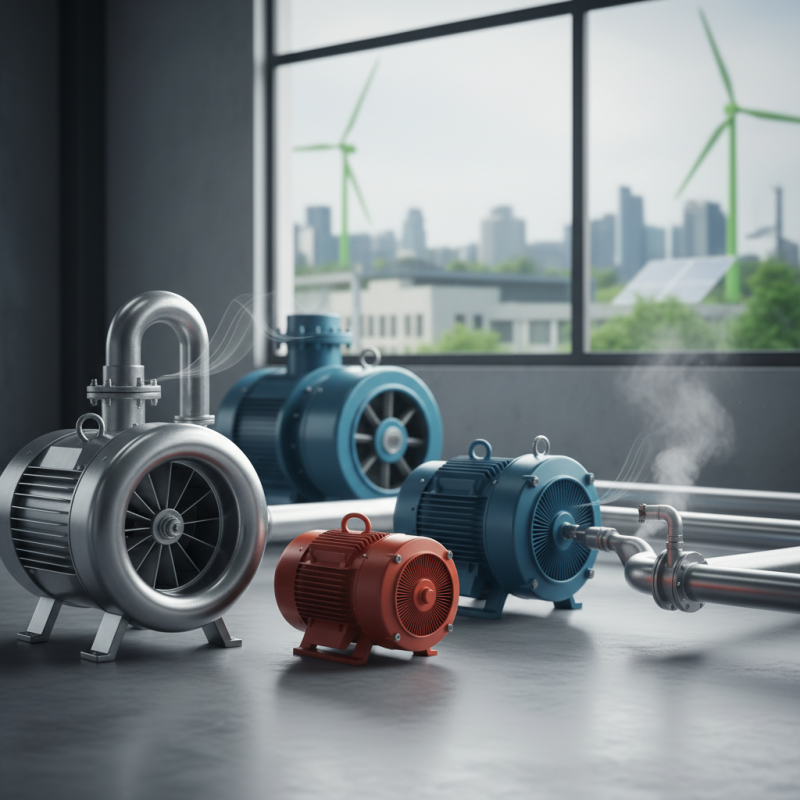
Understanding Medium Pressure Blowers and Their Applications
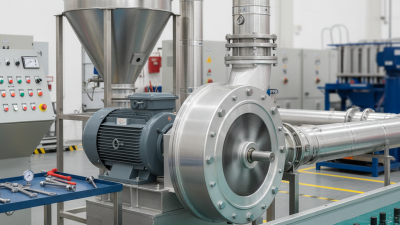
Medium pressure blowers are essential in various industries. They provide efficient airflow and pressure for different applications. Understanding their functionality helps in selecting the right one. They operate typically in the range of 0.5 to 3 psi. This makes them suitable for pneumatic conveying, dust collection, and wastewater treatment.
Medium pressure blowers can handle materials like grains, powders, and chemicals. According to industry data, nearly 30% of all industrial applications use blowers for material transfer. These systems require reliable performance. Users report that the right blower improves efficiency and reduces energy costs. However, selecting an inappropriate model may lead to underperformance or excessive noise.
Choose blowers based on specific needs. Factors such as airflow requirements, pressure ratings, and environmental conditions must be considered. Not all blowers perform equally. Review specifications and compare them with your requirements. Misjudging the required airflow can lead to system inefficiencies. Balancing performance and cost is vital. It's easy to focus solely on price. Long-term reliability can be overlooked in this approach.
Medium Pressure Blowers: Performance Comparison
This chart compares the maximum flow rates of different medium pressure blower models, helping you understand their performance capabilities. Choose the right blower based on your specific application needs by analyzing their flow rates.
Key Factors to Consider When Selecting a Medium Pressure Blower
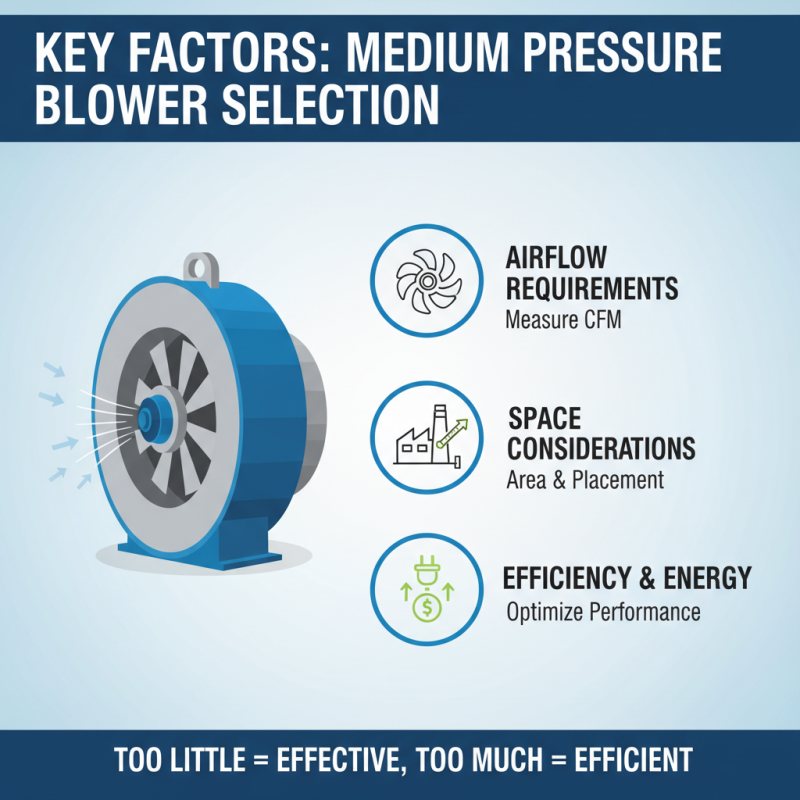
When selecting a medium pressure blower, several key factors come into play. It's essential to consider airflow requirements. Measure the space where the blower will be used. Calculate the necessary cubic feet per minute (CFM) for optimal performance. Small adjustments can lead to significant changes in efficiency. Remember, too little airflow may not do the job, and too much can waste energy.
Another important factor is noise level. Medium pressure blowers can vary significantly in this regard. A quieter model might cost more but can improve working conditions. Think about the environment where the blower will operate. If there are many people around, a loud blower may cause distractions or complaints.
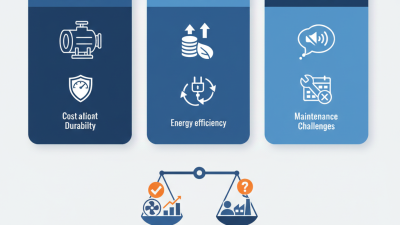
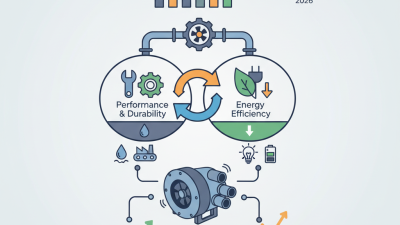
Energy efficiency is crucial. Look for blowers with good energy ratings. They can save money in the long run. However, keep in mind that more efficient models might require a higher upfront investment. Balancing initial costs with ongoing savings can be tricky. Ensure you evaluate all options carefully before making a decision.
Types of Medium Pressure Blowers and Their Advantages
When selecting a medium pressure blower, it's important to understand the types available and their advantages. Positive displacement blowers are a common choice. They excel in providing a consistent air flow. This capability is crucial for applications that require precise air delivery. They can handle various pressures too. Their design usually involves fewer moving parts, leading to lower maintenance.
Another type is the centrifugal blower. These blowers are ideal for higher volume applications. They efficiently convert rotational kinetic energy into air flow. Centrifugal blowers often operate quieter than positive displacement models. However, they may not perform well under high-pressure conditions. Testing different applications can reveal their strengths and weaknesses.
Lastly, regenerative blowers are worth considering. They offer a unique design that combines features of both previous types. They can achieve moderate pressures while providing smooth air flow. Their compact size makes them suitable for various tight spaces. However, they might lack the power for heavy-duty tasks. Evaluating your needs carefully will help avoid incorrect selections. Each blower type has its own set of challenges. Understanding your specific requirements upfront can prevent costly mistakes down the line.
Sizing Your Medium Pressure Blower: Calculating Required Flow and Pressure
Choosing the right size for a medium pressure blower requires careful calculations. Start by determining the required flow rate in
cubic feet per minute (CFM). According to industry reports, this flow rate affects
performance significantly. Measure your system's needs; assess the total volume of air you need to move.
Pressure is another critical factor. It is often measured in inches of water gauge (in WG).
A common recommendation is to add a 10% buffer to your
calculated needs. This ensures your blower operates efficiently, even under variable conditions.
Tip: Regularly check the specifications of your existing equipment. Sometimes,
a blower may not be delivering the expected flow or pressure. Adjusting settings or maintenance may resolve many issues.
In some cases, users tend to underestimate the specific requirements, leading to inefficiencies. Documents reveal that almost
30% of installations experience pressure drops due to incorrect sizing.
Review your application regularly. Correct sizing not only saves energy but also prolongs equipment life.
Maintenance Tips for Optimal Performance of Medium Pressure Blowers
Maintaining medium pressure blowers is crucial for efficiency. Regular maintenance ensures they perform at their best. Start with routine inspections. Check for any unusual noises or vibrations. These could indicate underlying issues. Make it a habit to clean filters regularly. Dirty filters reduce airflow and increase strain on the blower.
Next, observe the lubrication levels. Proper lubrication prevents wear and tear. If the blower operates in a dusty environment, more frequent checks are necessary. Keep an eye on belts and hoses for any signs of wear. Small cracks can lead to larger problems if ignored. Also, the impeller should be free of debris. A clean impeller ensures optimal performance.
Pay attention to the pressure gauges too. They provide essential data on performance. If you notice fluctuations, investigate further. Regularly recalibrating instruments can help maintain accuracy. Record all maintenance activities. This creates a reference for future checks. Keeping a log can reveal patterns that need addressing. Always ask questions. What worked well? What can be improved? Strive for continuous improvement in maintenance practices.
How to Choose the Right Medium Pressure Blower for Your Needs? - Maintenance Tips for Optimal Performance of Medium Pressure Blowers
| Feature |
Description |
Recommended Value |
| Airflow Rate |
The volume of air the blower can move, measured in CFM. |
100 - 500 CFM |
| Pressure Range |
The operating pressure of the blower, measured in inches of water gauge (in wg). |
5 - 15 in wg |
| Motor Power |
The power of the motor driving the blower, usually measured in horsepower (HP). |
1 - 5 HP |
| Efficiency |
The ratio of useful output of the blower to the input energy. |
Above 70% |
| Maintenance Interval |
Frequency of maintenance needed for optimal performance. |
Every 6 months |
| Noise Level |
The sound level produced by the blower, measured in decibels (dB). |
Less than 80 dB |
| Temperature Rating |
The maximum temperature the blower can handle. |
Up to 150°F |