What is an Electric Side Channel Blower and How Does it Work?
Electric Side Channel Blower technology has gained significant traction in numerous industries. Its efficiency and reliability make it a preferred choice in various applications. According to industry reports, the global market for blowers is expected to grow by 5% annually. This growth reflects the increasing demand for energy-efficient solutions in sectors like wastewater treatment, manufacturing, and HVAC.
The Electric Side Channel Blower operates using a unique design. It creates low-pressure airflows while maintaining high efficiency. This blower type is essential for processes that require consistent airflow and vacuum generation. Recent studies indicate that these blowers can reduce energy consumption by 30% compared to traditional options. However, selecting the right model can be challenging due to the various factors at play.
Despite their advantages, challenges remain. Noise levels can be higher than desired, and maintenance can be overlooked. Understanding the technology's limitations is critical for optimizing performance. The Electric Side Channel Blower represents a blend of innovation and practical application—its effectiveness continues to shape industrial operations today.
What is an Electric Side Channel Blower?
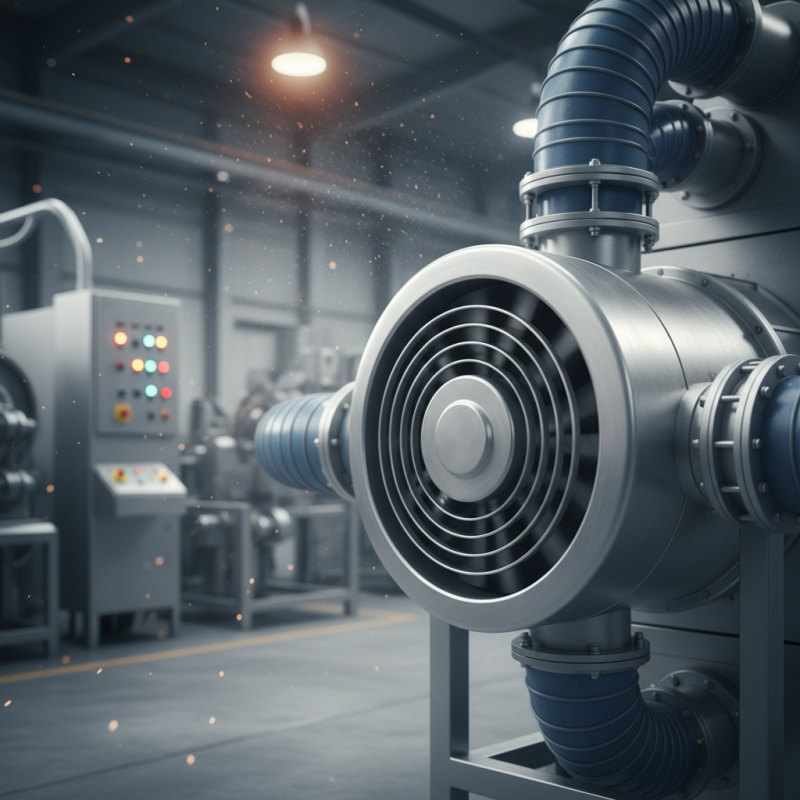
An electric side channel blower is a specialized air-moving device. It operates by creating a pressure differential through a rotating impeller and a side channel. This mechanism allows air to flow efficiently, making it suitable for various industrial applications. These blowers are typically used in packaging, food processing, and HVAC systems.
According to market research, the global side channel blower market is expected to grow significantly. Between 2021 and 2026, it may reach USD 1.2 billion. The efficiency and reliability of electric side channel blowers contribute to this increase. They can deliver high vacuum levels, often exceeding 90% efficiency under optimal conditions. This makes them vital for environmentally conscious operations.
However, these blowers are not without challenges. Noise levels can pose a concern in certain applications. Proper noise reduction techniques should be considered during installation. Additionally, maintenance is crucial. Regular checks can prevent unexpected downtime and prolong the blower's lifespan. Manufacturers and operators must reflect on these aspects to enhance performance and sustainability.
Key Components of Electric Side Channel Blowers
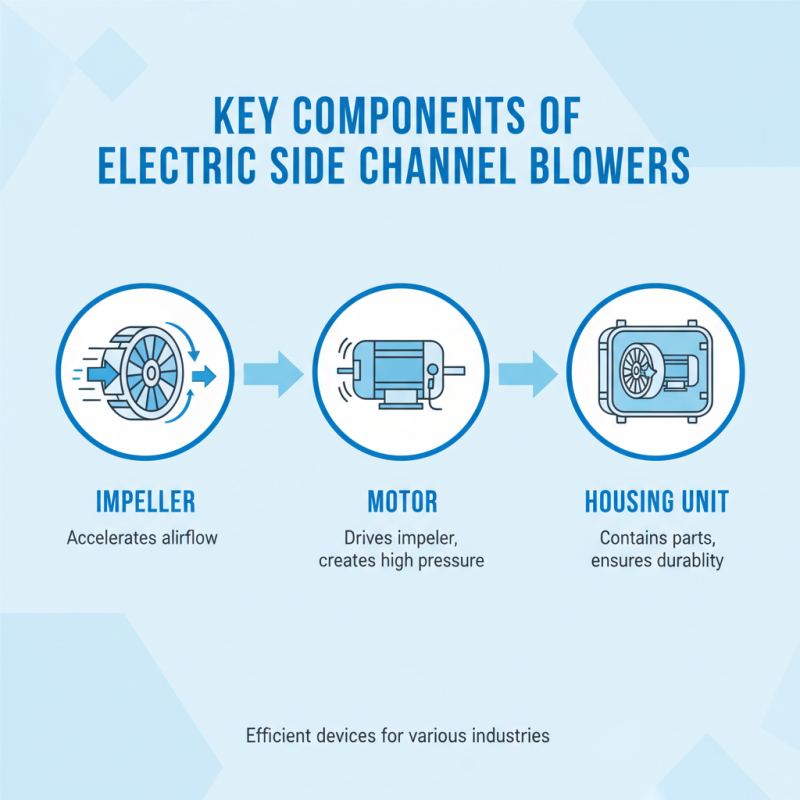
Electric side channel blowers are efficient devices used across various industries. Their key components play a vital role in performance. These blowers typically consist of an impeller, a motor, and a housing unit. The impeller is crucial, as it accelerates the air flow. The motor drives the impeller, creating high-pressure air. The housing unit contains these parts, ensuring durability and stability.
Recent reports suggest that side channel blowers have an efficiency rate of 70-85%. They are popular for applications like pneumatic conveying and vacuum generation. However, installation and maintenance can sometimes be overlooked. Many users might struggle with noise management, as these devices can be louder than expected. Proper insulation can mitigate this issue.
The materials used in the construction of side channel blowers are also important. Many blowers use aluminum or stainless steel, which provide good resistance to corrosion. Some studies highlight that blowers made of lower quality materials may have a shorter lifespan. Regular inspections are essential to avoid unexpected breakdowns. The balance between performance and maintenance should be continually evaluated.
Operating Principle of Electric Side Channel Blowers
Electric side channel blowers are unique devices that create airflow using fluid dynamics. They operate based on a simple principle: rotating blades create low-pressure zones. This design allows air to flow into the blower while maintaining a stable performance. The enclosed space guides air efficiently, leading to a reliable output.
The impellers in these blowers play a crucial role. As they spin, they increase air velocity. This change in speed creates a pressure difference. Air enters the inlet and is compressed as it moves through the channels. Small changes in the channels can lead to varying airflow rates, resulting in nuanced performance. Sometimes, achieving the desired flow can be challenging, requiring adjustments in design or operation.
Understanding the operational mechanics can be tricky. Many factors affect performance, such as temperature and humidity. Users often grapple with inconsistencies. Testing different configurations may yield unexpected results. The learning curve can be steep, yet the potential for efficiency improvements is noteworthy. Each adjustment leads to valuable insights.
Applications of Electric Side Channel Blowers
Electric side channel blowers have diverse applications across various industries. They primarily serve as reliable air movers, generating consistent airflow. One key use is in aquaculture. These blowers provide essential oxygenation in fish tanks, promoting healthier aquatic environments.
The precise airflow helps maintain stable conditions, which fish require.
In packaging, electric side channel blowers play a vital role. They assist in vacuum sealing products, preventing spoilage.
Maintaining optimal air pressure is crucial. Additionally, these blowers are used in pneumatic conveying systems. They transport powders and granules efficiently, making production lines more efficient.
However, the adaptability of electric side channel blowers can pose challenges. Proper sizing is critical for effectiveness. If not chosen well, they may underperform or lead to energy inefficiencies. Users must consider their specific needs and local conditions. Striking a balance between power and efficiency is essential for optimal performance.
Advantages of Using Electric Side Channel Blowers
Electric side channel blowers offer several advantages in various applications. These devices provide efficient airflow with minimal noise, making them suitable for sensitive environments. They excel in vacuum and pressure applications, ensuring reliable performance in tasks like material handling and drying processes. Their compact design saves space and allows easy integration into existing systems.
The energy efficiency of electric side channel blowers is another key benefit. They convert electrical energy into airflow with little waste. This efficiency leads to reduced operating costs and a smaller carbon footprint. However, not all applications may see the same benefits. If operating conditions vary significantly, performance might not align with expectations. Users sometimes overlook the need for proper maintenance, which can impact efficiency.
Moreover, these blowers are versatile. They can handle different gases and operate in challenging conditions. Yet, their flexibility might require careful selection based on specific use cases. Some may find the initial investment higher than alternative options. Assessing the long-term benefits against upfront costs is essential for informed decision-making.