10 Essential Tips for Choosing the Right Inflatable Air Blower
When selecting an Inflatable Air Blower, it’s vital to be informed. The market for inflatable products has grown significantly, with a projected increase of over 7% in the next five years. This growth highlights the importance of choosing the right blower for safety and efficiency. Many users overlook critical specifications, leading to potential issues. For example, insufficient airflow can cause deflation and damage, affecting both fun and safety.
A quality Inflatable Air Blower ensures optimal performance. It often includes features like a powerful motor and ample airflow. However, consumers sometimes choose based on price alone. This approach can lead to poor performance and dissatisfaction. Research indicates that nearly 30% of inflatable users encountered issues related to improper blower selection. Consequently, taking the time for proper evaluation can make all the difference.
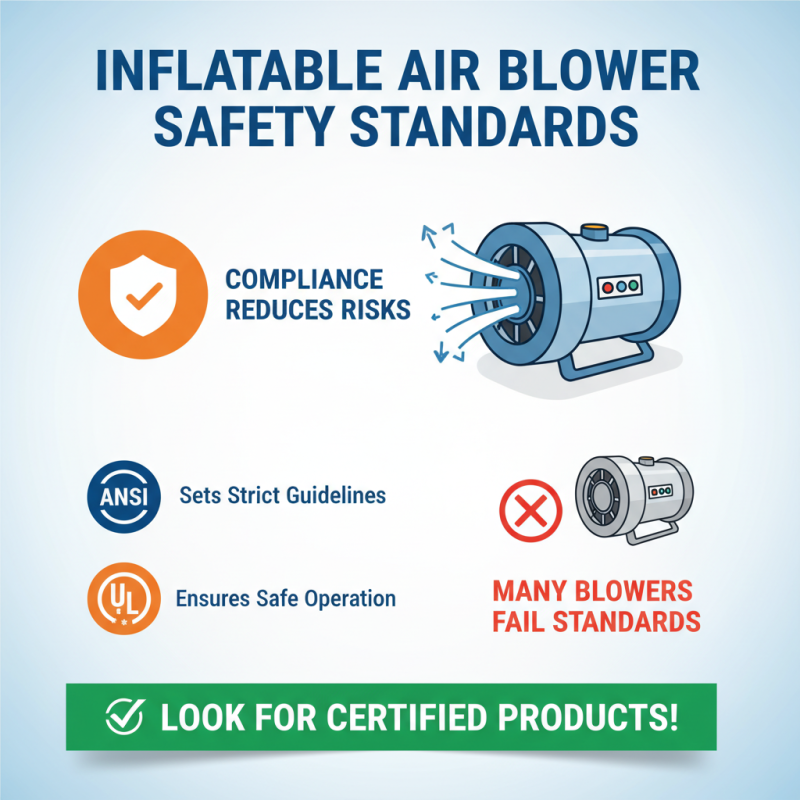
Understanding power ratings, durability, and noise levels is essential. Look into different types available on the market. Many options exist, but not all meet the required standards. This makes research even more crucial. Ultimately, making an informed choice leads to better experiences and greater joy with inflatables.
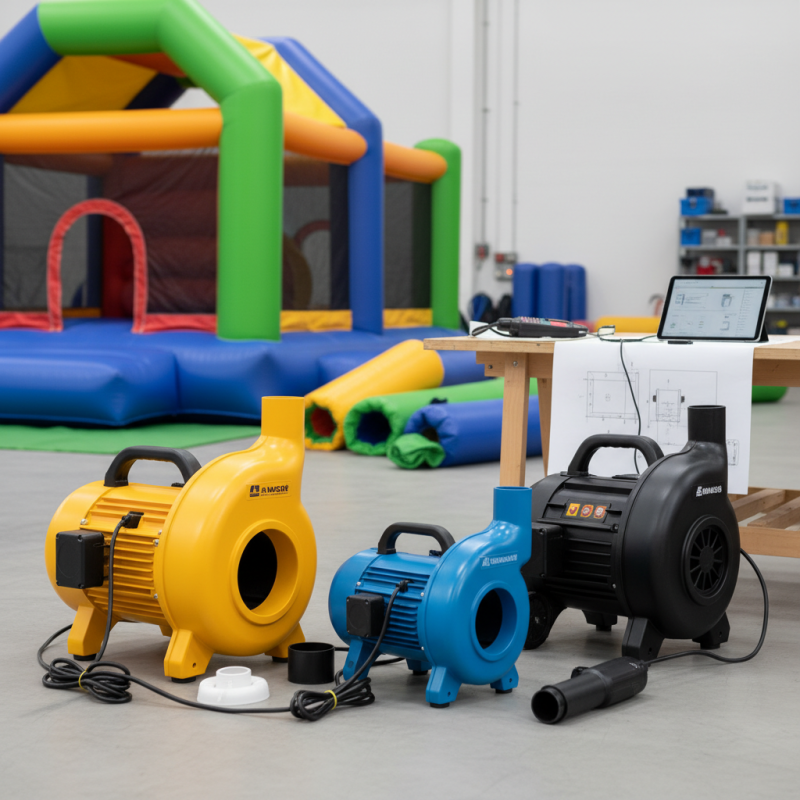
Key Power Requirements for Inflatable Air Blowers in Different Applications
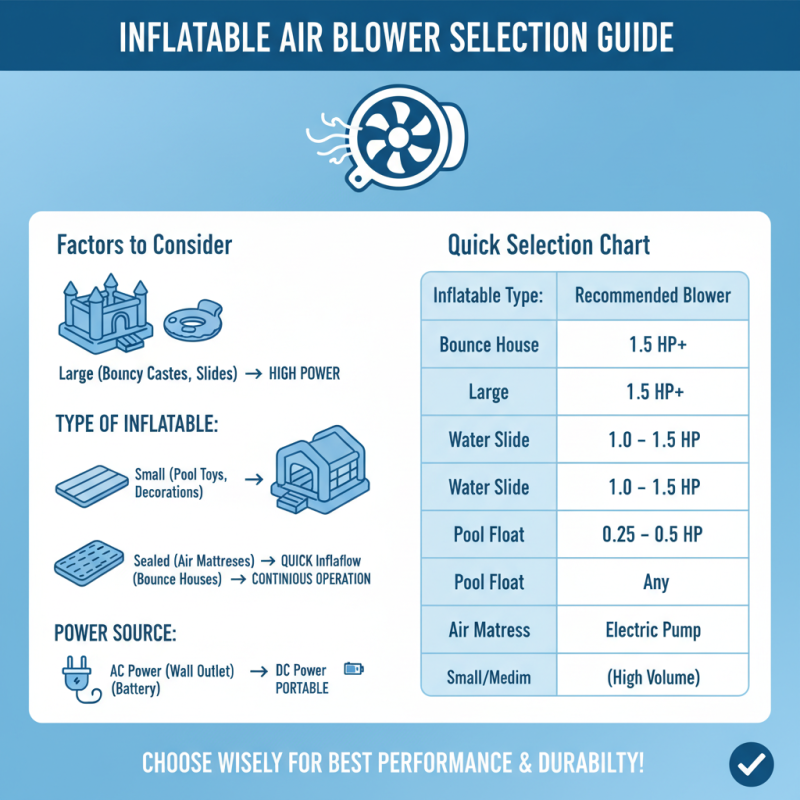
Choosing the right inflatable air blower is crucial for various applications. The power requirements can vary significantly based on the size and type of inflatable you're using. High-powered blowers are often needed for larger inflatables, while smaller units suffice for smaller models.
One tip is to consider the air volume a blower can deliver. This measurement impacts how quickly your inflatable will inflate. Look for blowers that offer a high Cubic Feet per Minute (CFM) rating. You might think all blowers are similar, but they can differ greatly in performance.
Power requirements also depend on how long you'll use the blower. For extended use, ensure the blower can handle continuous operation without overheating. Some models may seem efficient, but prolonged usage can lead to failures. Remember to check wattage and amperage ratings. These figures reveal how much power the blower consumes and help avoid electrical issues.
Don't overlook noise levels. Some blowers operate quietly, while others can be disruptive. A quieter model can be beneficial for events in populated areas. Even the best blowers can be improved. Regular maintenance checks can often enhance performance. Reflect on your specific needs before making a choice.
Evaluating Airflow Capacity: How CFM Ratings Impact Performance
When selecting an inflatable air blower, CFM ratings are crucial. CFM stands for cubic feet per minute. This measures airflow capacity. The right CFM can dramatically enhance performance. A blower with 400 CFM can handle smaller inflatables effectively. Meanwhile, larger structures often require blowers with 700 CFM or more to maintain shape and firmness.
Data shows that many users underestimate airflow requirements. A common mistake is choosing a blower based on size alone. Some inflatables may look simple but can demand high air volumes. Yet, a blower rated at 300 CFM may struggle. Larger, complex structures could collapse without enough airflow.
It's advisable to evaluate the inflatable’s dimensions before purchasing. A thorough understanding of its requirements will prevent regrets later. Many blowers, while affordable, may not meet your needs. Investing in one with a higher CFM can yield better results. Performance is unpredictable with inadequate airflow. It's essential to prioritize this aspect for successful use. Balancing cost and performance can lead to better choices.
Understanding Noise Levels: The Importance of Decibels in Air Blower Selection
When selecting an inflatable air blower, noise levels are a critical factor. Decibels (dB) measure sound intensity. A higher dB level means more noise, which may affect your environment. For instance, a blower at 70 dB sounds like heavy traffic. You may find this overwhelming, especially in quieter settings. Choosing a blower between 60-70 dB can provide a better balance for most users.
Consider your specific use case. Are you setting up an event in a residential area or a festival site? The backdrop matters. A loud blower can disrupt conversations or annoy neighbors. However, too quiet might not provide the airflow needed for larger inflatables. Reflect on your needs. Testing different models is vital. Often, product descriptions lack detailed noise data. It's important to check user reviews for real-life sound experiences. Deciding on the right level takes thoughtful consideration. Choose wisely to enhance your setup without added noise stress.
10 Essential Tips for Choosing the Right Inflatable Air Blower - Understanding Noise Levels: The Importance of Decibels in Air Blower Selection
| Tip Number |
Tip Description |
Noise Level (dB) |
Recommended Use |
| 1 |
Check the power rating |
75 dB |
Small to medium inflatables |
| 2 |
Evaluate portability features |
70 dB |
Event setups |
| 3 |
Consider energy efficiency |
68 dB |
Long-term use |
| 4 |
Look for safety certifications |
72 dB |
Public events |
| 5 |
Check the warranty and support |
73 dB |
Frequent use scenarios |
| 6 |
Assess the airflow performance |
71 dB |
Large inflatables |
| 7 |
Investigate user reviews |
74 dB |
General usage |
| 8 |
Identify noise levels for specific environments |
69 dB |
Indoor settings |
| 9 |
Prioritize ease of maintenance |
76 dB |
Regular events |
| 10 |
Understand the airflow requirements |
75 dB |
Varying uses |
Durability Factors: Materials and Design Features for Long-Term Use
When selecting an inflatable air blower, durability is crucial. The right materials can significantly impact performance and longevity. High-quality plastics, such as PVC and Oxford fabric, are often preferred. They offer resistance to tears and wear. Research indicates that blowers made from reinforced materials last up to 30% longer than cheaper options. This can lead to significant cost savings over time.
Design features also play an essential role in durability. A blower with a stable base prevents tipping and damage during use. Many experts recommend models with built-in protections against overheating. This feature can extend the blower’s life by up to 25%, according to industry reports. Proper ventilation in the design can reduce strain on the motor. A good design minimizes the chance of sudden failures.
Lastly, consider the blower's operating environment. Blowers designed for various weather conditions tend to perform better. If you're using a blower outdoors, look for models with water-resistant components. This not only protects the internal mechanics but also maintains airflow efficiency. Inadequate protection can lead to malfunction, causing frustration and financial loss.