2026 How to Choose the Best Roots Blower for Your Needs?
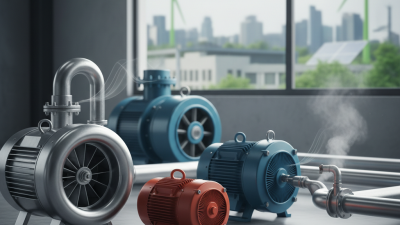
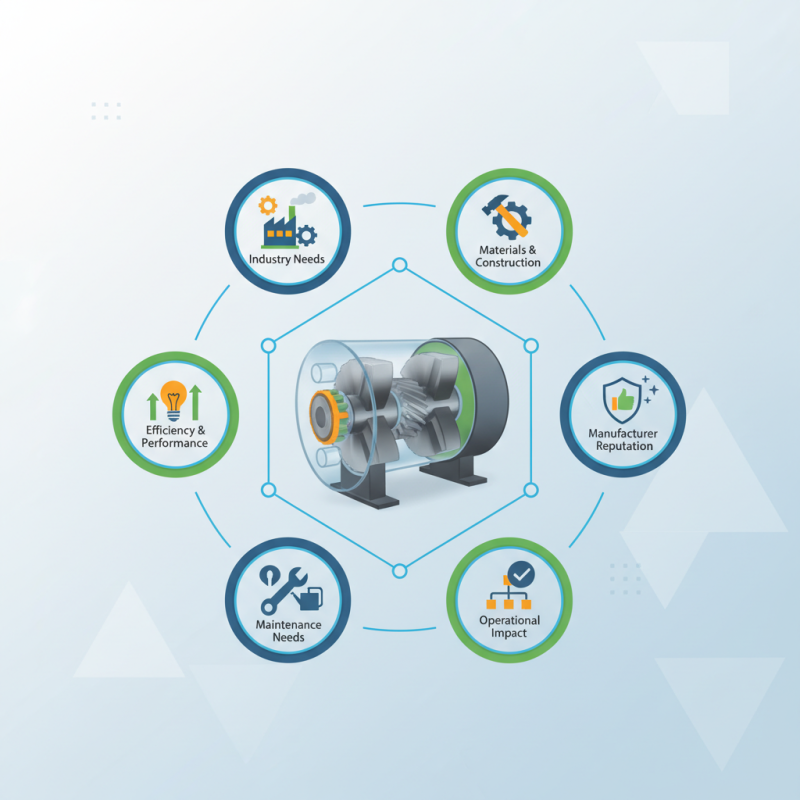
Choosing the right Roots Blower can be a daunting task. With numerous options available, making an informed decision is critical. Understanding your specific needs is the first step. Different industries have varied requirements, influencing the type of Roots Blower you should consider.
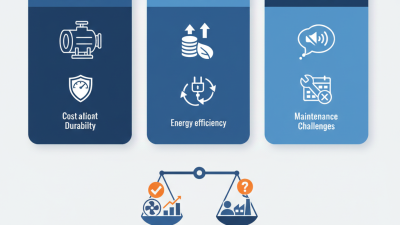
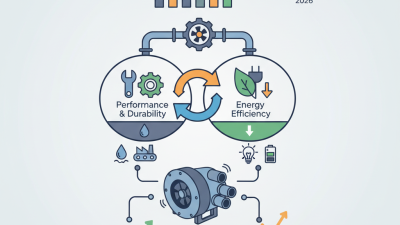
Efficiency and performance are crucial factors. A reliable blower can enhance productivity and reduce energy costs. However, many users overlook maintenance needs. Proper upkeep is essential for longevity and optimal performance. Ignoring this aspect may lead to costly repairs or replacements down the line.
Consider the blower's materials and construction. Quality components ensure durability and effectiveness. Users often find themselves frustrated by frequent breakdowns due to poor material selection. Therefore, evaluate the manufacturer's reputation and customer reviews. This research will guide your choice and help you find a Roots Blower that meets your expectations. Remember, the right selection can significantly impact your operations.
Understanding Roots Blowers: Key Types and Their Applications
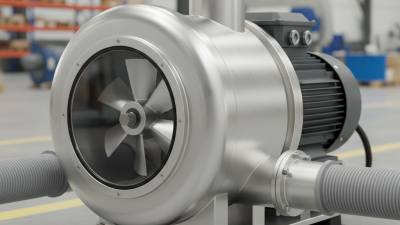
When selecting a Roots blower, understanding its key types is essential. These blowers are often classified into two main categories: positive displacement and rotary lobe blowers. Each type serves distinct applications based on their design and functionality. Positive displacement blowers are efficient for handling large air volumes, making them suitable for wastewater treatment. Rotary lobe blowers, on the other hand, excel in providing high pressure and are often used in pneumatic conveying systems.
Different industries have unique requirements. For instance, food processing facilities might prioritize cleanliness and low noise. In contrast, wastewater treatment plants often focus on durability and efficiency. It's crucial to evaluate your specific needs before making a choice. Consider factors such as volume, pressure, and the type of materials being conveyed or processed.
Understand that not every blower will meet every need perfectly. There may be trade-offs in performance versus cost. Listening to user reviews and consulting with professionals can provide valuable insights. Mistakes throughout the selection process can be costly. Researching thoroughly might help you avoid pitfalls and make an informed decision.
Key Specifications: Flow Rate, Pressure, and Efficiency Requirements
Choosing the right roots blower demands careful analysis of flow rate, pressure, and efficiency. Each application has specific requirements that make one model more suitable than others. A recent industry report highlights that flow rates typically range between 100 to 15,000 cubic feet per minute (CFM). This broad range calls for a tailored approach based on your operational needs.
Pressure is another key specification. Many industrial setups need pressures exceeding 15 psi. However, some applications operate effectively at lower pressures. It’s crucial to understand your system's demands before selecting a blower. Matching the blower’s capability with your pressure needs will enhance system reliability, ensuring efficient operation.
Efficiency is often overlooked yet vital. A blower that operates at a high efficiency can reduce energy costs significantly. Industry studies show that efficient models can save upwards of 30% in energy consumption over their lifespan. Consider evaluating the blower's energy efficiency ratings. A thorough insight into these specifications will help you make a more informed choice. Balancing these factors requires reflection on your specific usage, which can lead to either success or costly missteps.
Material Considerations: Durability and Maintenance Needs of Roots Blowers
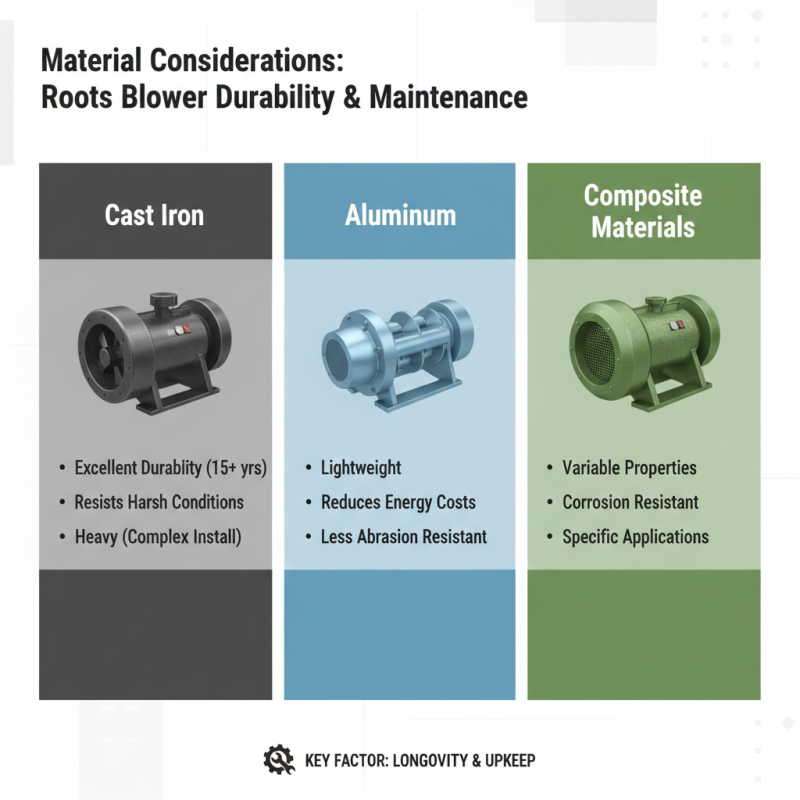
When selecting a Roots blower, material considerations significantly impact durability and maintenance needs. Roots blowers are commonly made from cast iron, aluminum, or composite materials. Cast iron offers excellent durability, often lasting over 15 years in harsh conditions. However, it can be heavy, which may affect installation options. Aluminum provides a lightweight alternative that can reduce energy costs but may not withstand abrasive materials as effectively.
Maintenance is another critical factor. According to industry reports, nearly 30% of blower failures result from inadequate maintenance. Components made from stainless steel resist corrosion and do not require frequent replacements. Yet, they may cost more upfront. Regular inspections and timely replacements of wear parts are essential. Quality material selection can lower long-term costs, but it requires careful consideration of operating environments and potential wear factors.
Additionally, consider the noise level produced by different materials. Aluminum typically produces less noise, enhancing operational discretion. If your application demands a quieter operation, you might prioritize material choice accordingly. Not all applications need the most durable material. Sometimes, less robust options suffice, balancing cost and requirements effectively.
Noise Levels and Vibration: Impact on Operational Environment
When choosing a roots blower, noise and vibration should not be overlooked. The operational environment can be significantly affected by these factors. According to a study published by the International Journal of Industrial Ventilation, excessive noise, exceeding 85 dB, can lead to worker fatigue and decreased productivity. This level of noise is not uncommon with some roots blowers operating under heavy loads.
Furthermore, vibration can cause wear over time. A report from the American Society of Mechanical Engineers indicates that high vibration levels can lead to mechanical failures in equipment, thus increasing maintenance costs. Ideally, a roots blower should operate with vibration levels below 4 mm/s. This can help ensure longer equipment life and reduce the risk of unexpected breakdowns. Understanding these parameters is crucial when selecting the best roots blower for specific needs.
While many manufacturers hide noise and vibration details, some performance charts do provide this data. Collecting real-time operational metrics can lead to better decision-making. Ensuring compliance with occupational safety standards may require investment in quieter, low-vibration models. Balancing performance and environmental comfort is essential. Sometimes, the best choice requires more than just technical specs; it involves thoughtful consideration of the workplace's overall impact.
Noise Levels and Vibration of Different Roots Blowers
This chart illustrates the noise levels and vibration levels of various Roots Blowers. High noise and vibration levels can significantly impact operational environments, making it crucial to choose a blower that meets your needs.
Cost-Benefit Analysis: Evaluating Investment for Long-Term Use
When considering a roots blower for your needs, a cost-benefit analysis is crucial. These blowers play a vital role in various industries, including wastewater treatment and pneumatic conveyance. According to industry reports, the global roots blower market is expected to reach $1.2 billion by 2026, growing at a CAGR of 4.5%. This data highlights the increasing reliance on efficient aeration and material handling solutions.
Investing in a roots blower requires understanding both initial costs and long-term benefits. A quality roots blower typically has a lifespan of 15 to 20 years. However, maintenance and energy consumption can impact overall expenses. Studies show that energy costs represent more than 70% of the total operational costs for positive displacement blowers. Therefore, selecting an energy-efficient model can significantly reduce operational costs over time.
Potential buyers often overlook the initial operating conditions. Factors such as temperature, pressure, and application specifics can greatly influence performance. Inappropriate sizing or selection can lead to inefficiencies. Understanding these elements is essential to make a well-informed choice. Failure to evaluate these aspects could lead to costly adjustments down the road. Prioritizing a thorough analysis of both upfront costs and operational efficiency is vital for maximizing investment value.
2026 How to Choose the Best Roots Blower for Your Needs? - Cost-Benefit Analysis
| Model |
Flow Rate (CFM) |
Power Consumption (HP) |
Noise Level (dBA) |
Price ($) |
Estimated Lifespan (Years) |
Maintenance Cost (Annual $) |
| Model A |
600 |
15 |
75 |
3,500 |
10 |
500 |
| Model B |
800 |
20 |
80 |
4,200 |
12 |
600 |
| Model C |
1000 |
25 |
85 |
5,000 |
15 |
700 |
| Model D |
1200 |
30 |
90 |
6,500 |
20 |
800 |