What is an Inflatable Air Blower and How Does It Work?
Inflatable Air Blowers have revolutionized many industries, from entertainment to construction. According to Dr. Emily R. Thompson, an expert in inflatable technologies, “The versatility of an Inflatable Air Blower opens up endless possibilities.” This statement captures the essence of why understanding this equipment is crucial.
An Inflatable Air Blower generates a steady stream of air, inflating various structures, such as bouncy castles or emergency shelters. Its basic operation involves creating airflow that is directed into an inflatable item. The mechanics may seem simple, yet many users overlook crucial details. For instance, not all blowers are made equal; efficiency and power matter significantly. Selecting the wrong model can lead to disappointing results.
Moreover, usage varies across different applications. Not everyone realizes how the size of the blower affects inflation time and durability. This equipment often requires maintenance, which is sometimes neglected. Many users encounter problems they did not foresee. Investing time in understanding these systems is essential for optimal performance.
What is an Inflatable Air Blower?
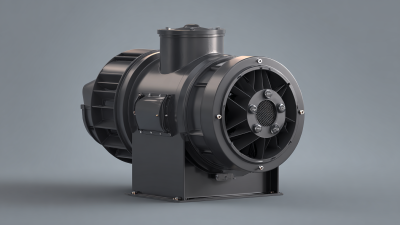
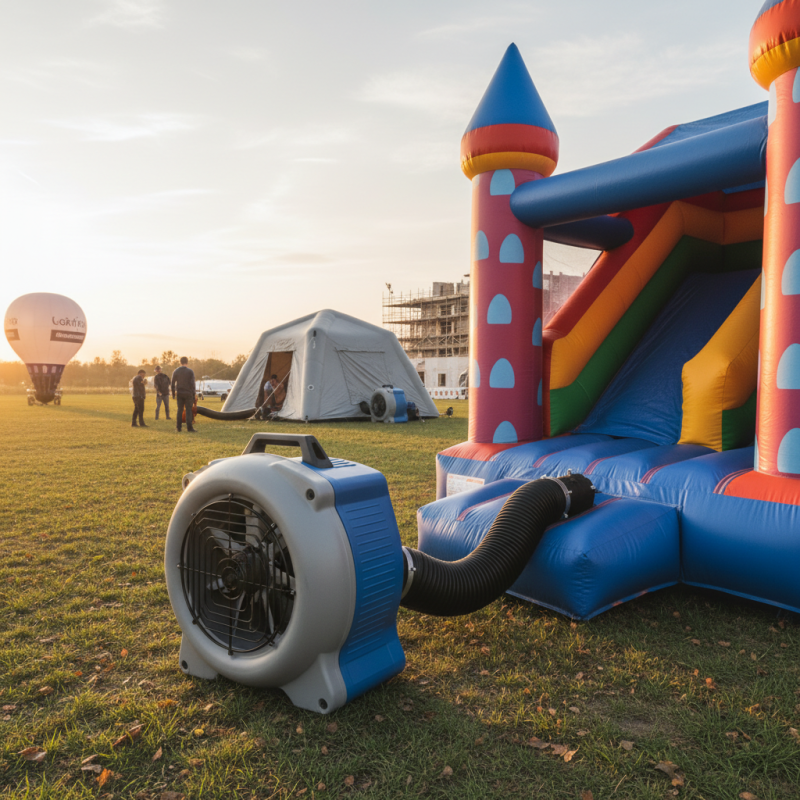
An inflatable air blower is a device designed to pump air into inflatable structures, such as bouncy castles or advertising balloons. These blowers create a continuous airflow that keeps the inflatables properly inflated. They are usually powered by electricity and can vary in size and power output. Research shows that the global inflatable market is growing, and the demand for reliable air blowers is increasing.
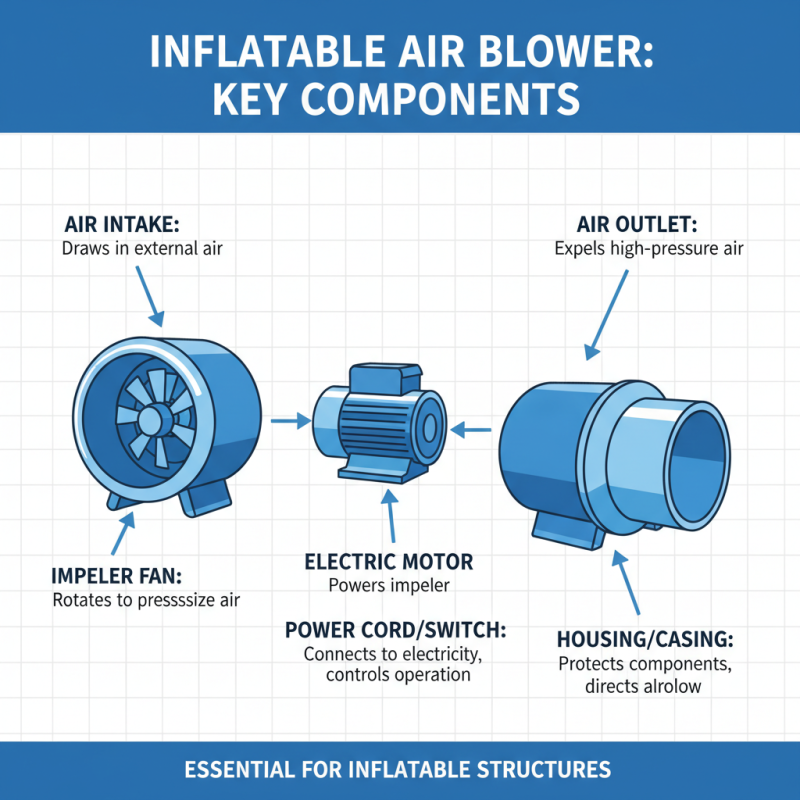
Air blowers work by drawing in air from the surroundings and pushing it into the inflatable. High-powered models can inflate large structures quickly, while smaller ones are perfect for compact inflatables. A study indicates that efficiency in blowers can impact the overall experience, especially in high-usage scenarios. Therefore, users should carefully consider airflow rates and energy consumption when choosing a blower.
Tips: Always inspect the blower before use. Check for any clogs or damage to ensure it operates efficiently. Regular maintenance can prolong the lifespan of your blower. Be cautious about over-inflating your inflatable. Too much air can lead to ruptures. Understanding the specifications of your blower can help prevent accidents and ensure a safe, enjoyable experience.
What is an Inflatable Air Blower and How Does It Work?
| Feature |
Description |
| Definition |
An inflatable air blower is a device used to inflate various inflatable items, such as bounce houses, inflatable pools, and other air-filled products. |
| Operation |
It works by sucking in air and blowing it into the inflatable item, creating a sealed environment that holds the air pressure. |
| Types |
Common types include continuous blowers, which provide a constant flow of air, and stop/start blowers, which can be turned off once the item is inflated. |
| Applications |
Used primarily for recreational activities, events, and promotions, as well as in industrial applications for temporary structures. |
| Power Source |
Typically powered by electricity, but can also be found in battery-operated versions for portability and convenience. |
| Safety Features |
Many blowers come with safety features including overheat protection, automatic shut-off, and ground fault circuit interrupters (GFCIs). |
The Operating Principle of Inflatable Air Blowers
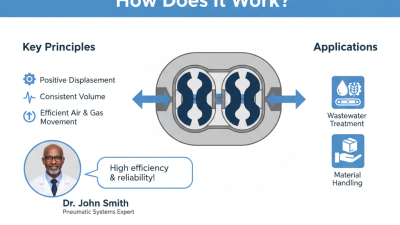
Inflatable air blowers are essential devices used in various applications, from inflatable attractions to commercial settings. The operating principle of these blowers is relatively straightforward. They draw in air and then expel it through a nozzle, creating a consistent flow. This airflow keeps inflatable structures fully expanded and stable during use.
One critical aspect of inflatable air blowers is the motor. Motors vary in power and efficiency. According to industry reports, high-efficiency motors can improve airflow by up to 30%. This efficiency translates to energy savings and longer operational life. Proper maintenance of these motors can enhance performance and prevent breakdowns.
Tips: Ensure the air intake is free from debris. A clean intake allows for optimal airflow. Regularly check the blower for wear and tear. Small cracks can lead to air leaks, reducing effectiveness.
Airflow stability is vital for inflatable safety. Fluctuating air pressure can cause instability. Key considerations include monitoring temperature and humidity. Extreme conditions can affect performance. Taking these factors into account is crucial for the blower's effectiveness. Regular assessments can help identify issues before they escalate.
Common Applications of Inflatable Air Blowers
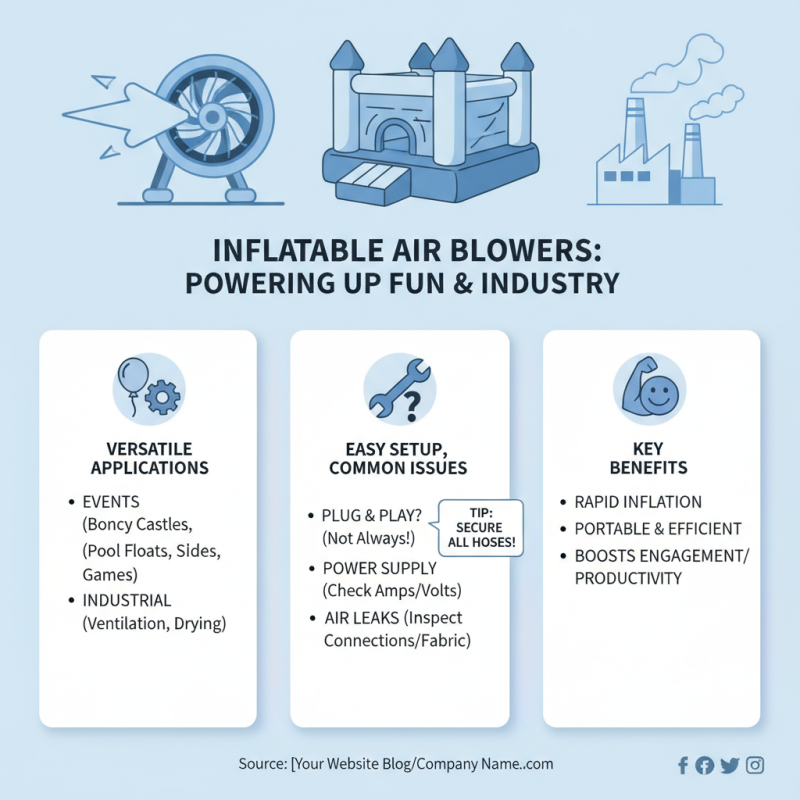
Inflatable air blowers are versatile tools widely used in various industries. They play a vital role in events, recreation, and even industrial applications. For example, they are commonly used to inflate large structures like bouncy castles or inflatable games. Setting these up may seem easy, but issues can arise, like inadequate power supply or air leaks. It's important to check connections.
In the advertising world, these blowers are used for inflatable displays or balloons at promotions. They grab attention and create a fun atmosphere. However, placement can sometimes be tricky. If the wind is strong, inflated items may sway or topple. Adjustments might be needed during an event.
Another common application is in the sports sector, where blowers keep inflatable fields or obstacles functional. While fun, these setups require regular maintenance and supervision. The unexpected weather can also cause complications, leading to downtime. People often overlook these factors when organizing events.
Maintenance and Safety Tips for Inflatable Air Blowers
Inflatable air blowers are essential for creating large inflatable structures. Proper maintenance ensures their longevity and performance. Regular checks for wear and tear are crucial. According to a survey by the Inflatable Industry Safety Coalition, nearly 25% of inflatable accidents result from equipment neglect. Inspect seams and zippers frequently. A small tear can lead to significant air loss.
Safety tips should never be overlooked. Operators must secure blowers on stable ground. Wind can pose serious risks; if winds exceed 20 mph, consider deflating the inflatable. Additionally, ensure proper electrical safety. A report from the Electrical Safety Foundation International indicates that improper use of electrical equipment accounts for 30% of accidents in outdoor settings. Use power strips with surge protectors and avoid overloading circuits.
Educating users about inflation and deflation processes is vital. Many users underestimate the importance of gradual deflation. In a hurry, they may damage seams or electrical components. Training staff can help prevent this. Remember to store blowers in a cool, dry place. Exposure to moisture can lead to mold, affecting performance. Regular maintenance is a small investment for ensuring safety and maximizing usage.
Inflatable Air Blower Power Consumption and Efficiency
This chart illustrates the power consumption across different levels of inflatable air blowers. As shown, high power blowers consume significantly more energy compared to their lower power counterparts.