What is a Medium Pressure Blower and How Does It Work?
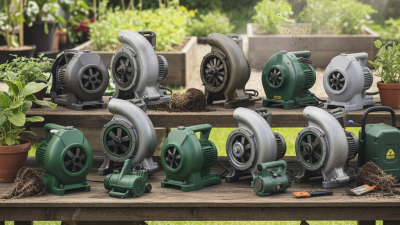
A Medium Pressure Blower is an essential device in various industrial applications. It focuses on creating a consistent flow of air or gas at medium pressure levels. These blowers are commonly used in processes that require ventilation, material handling, or dust control.
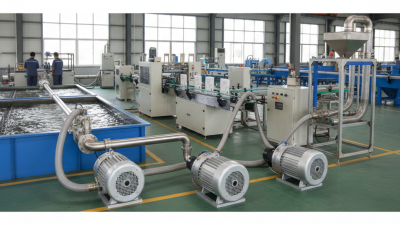
Understanding how a Medium Pressure Blower operates reveals its significance in various settings. It typically features a simple design with a motor-driven impeller. The impeller spins rapidly, drawing in air and forcing it out at a higher pressure. This process enhances efficiency in systems like wastewater treatment and pneumatic conveying.
However, not all applications benefit equally. The performance may fluctuate based on factors such as maintenance and installation. Sometimes, users overlook these aspects, leading to inefficiencies. Reflecting on these details encourages better usage and optimization. A Medium Pressure Blower can be a game-changer in the right scenario.
Definition and Purpose of Medium Pressure Blowers in Industrial Applications
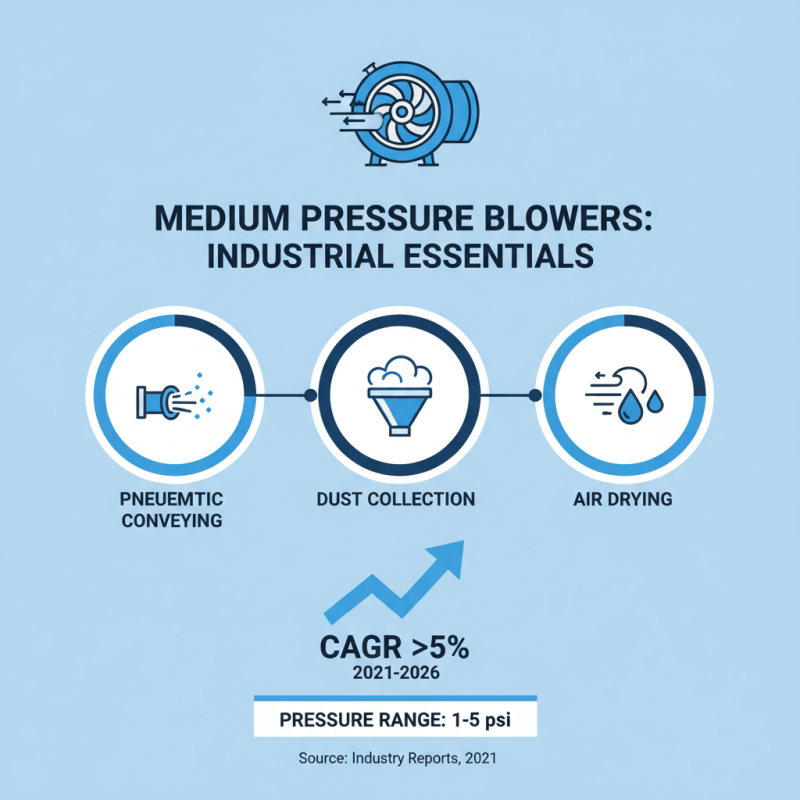
Medium pressure blowers serve a vital role in various industrial applications. They are primarily designed to move air or gases at moderate pressure ranges, generally between 1 to 5 psi. This capability makes them essential in processes like pneumatic conveying, dust collection, and air drying. According to industry reports, the medium pressure blower market is projected to grow at a CAGR of over 5% from 2021 to 2026, highlighting its increasing relevance.
In applications such as wastewater treatment and chemical processing, these blowers provide the necessary airflow for optimal operation. They ensure efficient gas movement, allowing for better mixing and reaction processes. However, selecting the right blower requires careful consideration of system requirements. Users often overlook the importance of matching blower specifications with their specific application needs.
Tip: Regular maintenance can extend the blower’s lifespan. Check for any wear and tear regularly to avoid costly breakdowns.
Moisture and temperature can impact blower performance. Some users report inefficiencies due to environmental factors. It's crucial to assess installation conditions. This may seem obvious, yet many overlook it, leading to suboptimal performance. Understanding the role of medium pressure blowers is essential to ensuring industrial processes run smoothly.
Key Components and Design Features of Medium Pressure Blowers
Medium pressure blowers are essential equipment in various industrial applications. They provide efficient air displacement and support many processes. Understanding their key components is crucial for optimal performance.
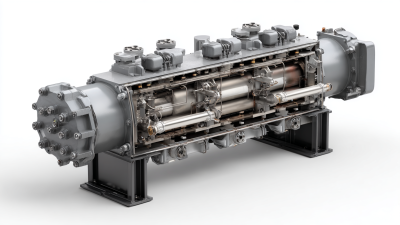
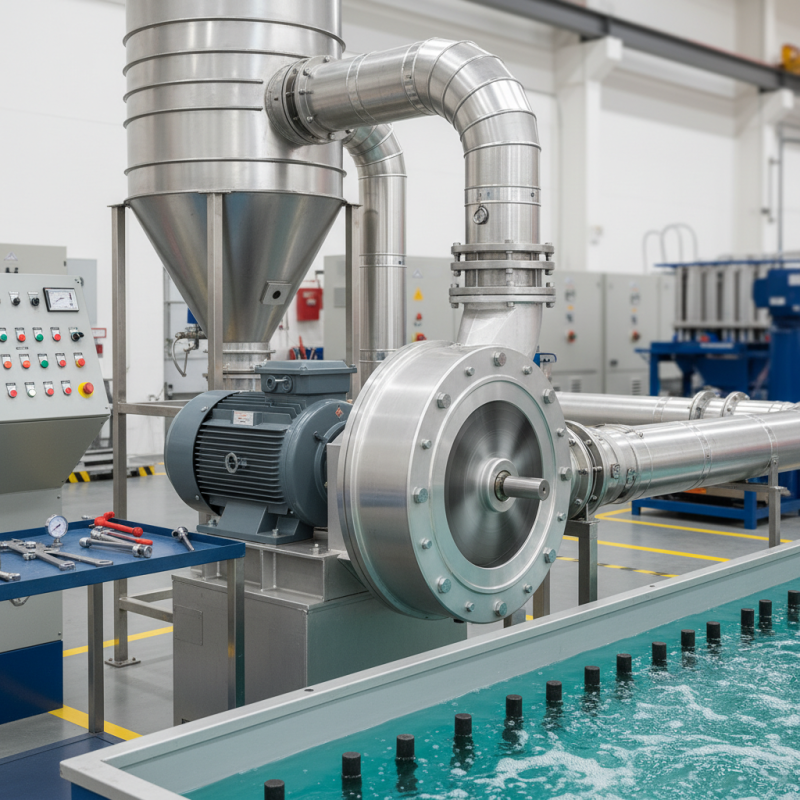
A medium pressure blower typically includes an impeller, housing, and motor. The impeller is designed with specific blades to generate airflow. This design influences efficiency and noise levels. The housing encases the impeller and directs the airflow. It must be sturdy and well-sealed to prevent leaks. The motor powers the impeller, and its efficiency impacts energy consumption.
Not all blowers are built the same. Some may lack robust materials, leading to premature wear. It's vital to consider the maintenance needs. Regular check-ups can prevent costly breakdowns. Monitoring wear and tear ensures longevity. Each component plays a role in the blower's overall function. Careful attention to these details fosters a more reliable system and reduces unexpected failures.
Medium Pressure Blower Performance Metrics
Understanding the Operating Principle of Medium Pressure Blowers
Medium pressure blowers play a crucial role in various industrial applications. These devices move air or gas at a moderate pressure level. Their design allows them to handle higher pressures than low-pressure blowers while remaining efficient.
The operating principle of medium pressure blowers is based on the movement of air through rotating blades. The blades create a vacuum that draws air in. As the air enters, the blower compresses it, increasing its pressure. This pressurized air is then expelled. Understanding this process helps in optimizing blower performance.
However, challenges exist. Maintenance is essential to keep these blowers running smoothly. Dirty filters can impede airflow and reduce efficiency. Also, noise levels can be a concern. Proper sound dampening may be necessary in some environments. Recognizing these factors can lead to better performance and longevity of medium pressure blowers.
What is a Medium Pressure Blower and How Does It Work?
| Dimension |
Value |
| Pressure Range |
1 - 10 psi |
| Airflow Capacity |
100 - 5000 CFM |
| Typical Applications |
Industrial processes, HVAC systems, pneumatic conveying |
| Operating Principle |
Uses rotating elements to compress and move air |
| Efficiency Rating |
70 - 90% |
| Noise Level |
60 - 85 dBA |
| Maintenance Frequency |
Every 6 - 12 months |
Efficiency Ratings and Performance Metrics for Medium Pressure Blowers
Medium pressure blowers play a crucial role in various industrial applications. They create airflow by using a rotating impeller to increase air pressure. Understanding efficiency ratings for these blowers is vital. It helps industries choose suitable models for their needs.
Efficiency ratings often focus on two key metrics: volumetric efficiency and mechanical efficiency. Volumetric efficiency measures the blower's effectiveness in moving air compared to its theoretical capacity. Mechanical efficiency accounts for energy losses in the blower's components. A high rating in both areas indicates better performance and lower operational costs.
However, not all medium pressure blowers achieve high efficiency. Some models struggle to maintain performance in varying conditions. Factors like temperature, humidity, and dust can affect output. This creates a challenge for operators. Finding a blower that consistently meets performance expectations requires careful consideration. Regular maintenance and monitoring can also help.
Common Applications and Industry Usage Statistics for Medium Pressure Blowers
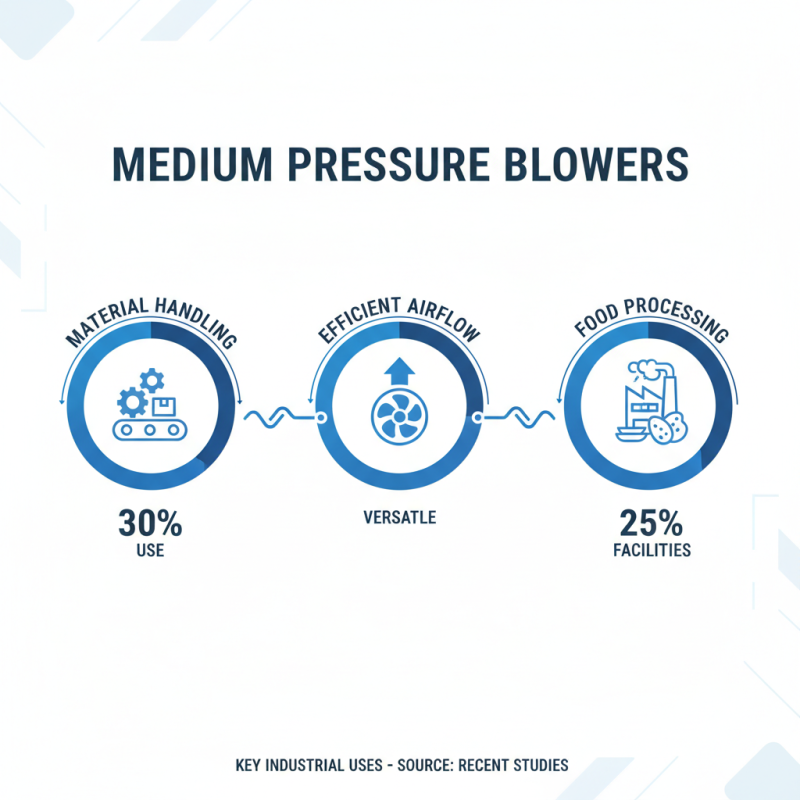
Medium pressure blowers play a vital role in various industries, thanks to their efficiency and versatility. According to recent studies, nearly 30% of the material handling sector utilizes medium pressure blowers. These devices provide the necessary airflow for conveying materials without excessive energy consumption. Notably, the food processing industry also employs these blowers, with around 25% of facilities relying on them for optimal ventilation.
In wastewater treatment plants, medium pressure blowers contribute significantly. Industry reports indicate that 40% of these facilities use medium pressure blowers to maintain effective aeration. This is crucial for the biological processes that treat wastewater. Similarly, in the chemical industry, blowers help ensure precise control of air circulation in various processes. Despite their benefits, some facilities still encounter issues like inefficiency. Regular maintenance is essential to avoid performance drops.
Tips: Always consider the specific airflow requirements for your application. Improper sizing can result in wasted energy or insufficient air supply. Additionally, monitor your blower’s performance periodically. Identify any unusual sounds or changes in efficiency early on. This proactive approach helps prevent costly downtimes.