What is a Regenerative Blower and How Does it Work?
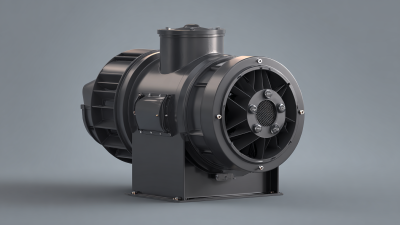
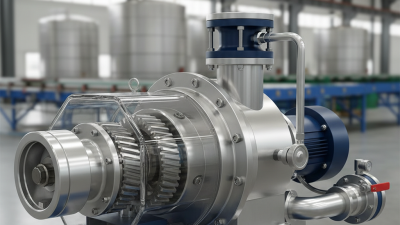
A Regenerative Blower is a crucial component in various industrial applications. It operates on a unique principle of airflow, offering efficiency and reliability. Understanding how it works can help in optimizing its use.
When air flows through a regenerative blower, the design enables continuous circulation. This creates a vacuum or pressure differential crucial for many processes. In industries like wastewater treatment and pneumatic conveying, proper airflow is essential. Yet, many operators overlook maintenance. Regular checks are necessary for optimal performance and longevity.
The technology behind a regenerative blower may seem simple, but it requires expertise to utilize fully. Not all models are alike; performance can vary widely. Simple adjustments can lead to significant improvements. However, it’s vital to reflect on potential failures or inefficiencies. Evaluating existing systems can reveal hidden challenges. Adopting a proactive approach ensures these blowers contribute effectively to industrial success.
What is a Regenerative Blower? An Overview of the Technology
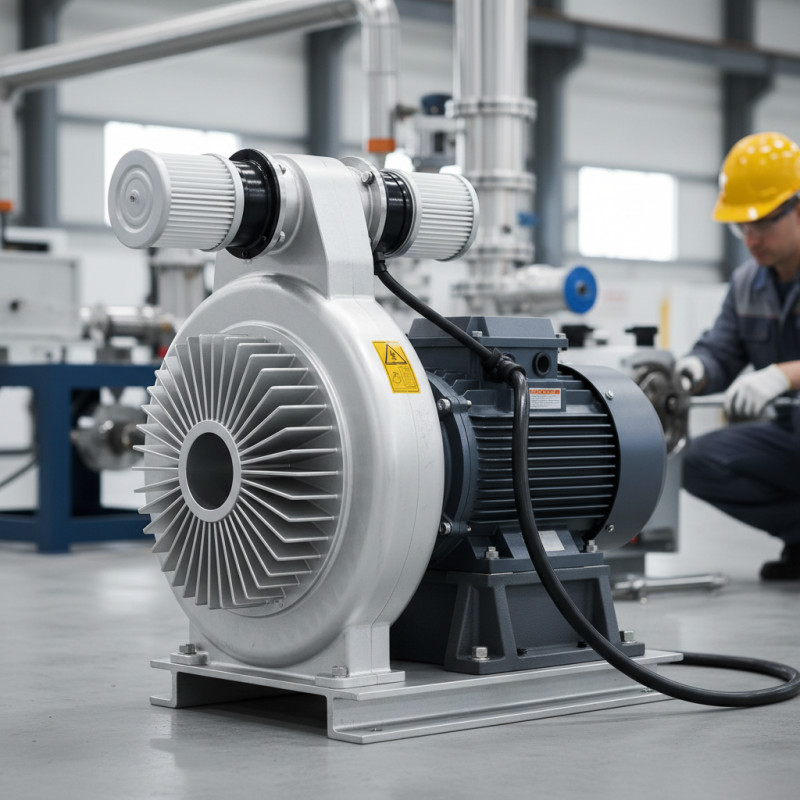
Regenerative blowers are a unique type of air-moving equipment designed for efficiency. They use a tapered impeller to compress air, offering a compact solution for various applications. Unlike traditional blowers, regenerative blowers recirculate air, enhancing efficiency while reducing energy consumption. Reports indicate that these blowers can achieve up to 70% efficiency, making them a preferred choice in industries where energy costs matter.
In sectors such as wastewater treatment and pneumatic conveying, regenerative blowers play a vital role. They provide consistent airflow, essential for processes like aeration and transport. According to the latest industry data, regenerative blowers have gained a significant market share, projected to grow by 4.5% annually through 2027. This growth reflects their adaptability in diverse applications.
Despite their merits, it is essential to note some limitations. They can be less effective in high-pressure environments compared to other blower types. Additionally, noise levels may be a concern in sensitive applications. Users should carefully evaluate their needs before making a decision. The versatility of regenerative blowers does not eliminate the necessity for thorough analysis and consideration. Each application presents unique challenges, requiring tailored solutions.
Key Components and Design Features of Regenerative Blowers
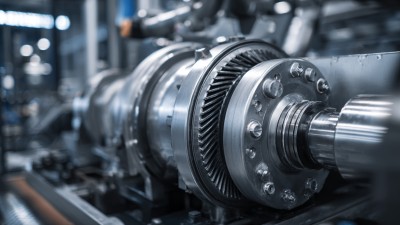
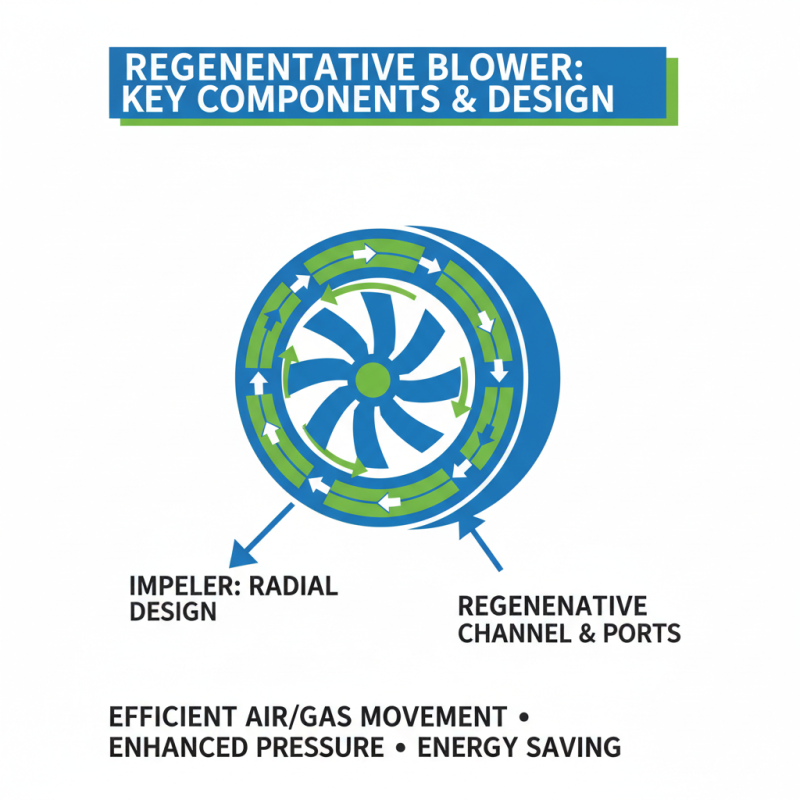
Regenerative blowers are efficient devices designed for air or gas movement. Their key components play a vital role in their operation. At the heart of these blowers is the impeller, which rotates to create airflow. The impeller's design is crucial; it is typically radial and enhances pressure without requiring excessive energy. This efficiency makes regenerative blowers a preferred choice in various industrial applications.
The blower housing also contributes significantly to performance. Often made from durable materials, it directs the airflow effectively from the impeller to the outlet. This design minimizes turbulence, reducing noise levels and energy losses. Additionally, some blowers feature integrated filters to enhance air quality. However, the design must be periodically reviewed to ensure optimal performance. Dust and debris can accumulate and affect airflow, creating potential issues.
When it comes to maintenance, the sealing mechanisms are essential. Poor seals can lead to air leakage, reducing efficiency. Regular inspection of these components is necessary to maintain functionality. Users often overlook this aspect, leading to inefficiencies. Therefore, understanding these design features is vital. Awareness of how each component works together can significantly enhance the effectiveness of regenerative blowers in various applications.
How Regenerative Blowers Generate Airflow: The Operating Principle
Regenerative blowers are unique devices designed to generate airflow through a series of rotating impellers. Unlike traditional blowers, they utilize a specific operational principle that allows them to move air efficiently and quietly. The process begins when air enters the blower, where it is trapped between the impeller and the casing. As the impeller rotates, it compresses the air, creating a rapid increase in speed. This design not only enhances airflow but also minimizes turbulence, making regenerative blowers suitable for various industrial applications.
Research from the American Society of Mechanical Engineers indicates that regenerative blowers can achieve efficiency rates of up to 70%. These blowers are commonly used in packaging, aquaculture, and material handling. Their ability to maintain a constant pressure with relatively low energy consumption makes them an attractive option. Users often report improved operational costs and lower maintenance requirements compared to standard centrifugal or rotary blowers.
When selecting a regenerative blower, consider the system’s specific requirements. While these blowers are effective, they may not be the best fit for all scenarios. Ensure to analyze airflow needs, pressure specifications, and the installation environment. Regular maintenance can enhance performance. Monitor for unusual noises or vibrations, as these may indicate potential issues. This proactive approach can help prevent costly downtimes.
Regenerative Blower Airflow Characteristics
This chart illustrates the airflow generated by regenerative blowers at different RPM (Revolutions Per Minute) settings. The data represents typical airflow outputs measured in cubic feet per minute (CFM), showcasing how airflow increases with higher RPM settings.
Applications of Regenerative Blowers in Various Industries
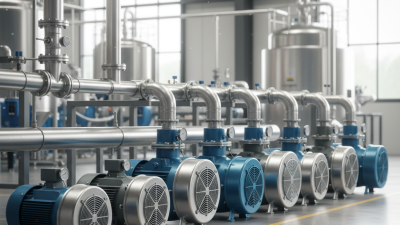
Regenerative blowers play a critical role in numerous industries, providing cost-effective solutions for air and gas handling. These devices operate through a unique mechanism that uses centrifugal fan technology to create airflow. This makes them reliable options in applications such as wastewater treatment and aquaculture. According to a report by Research and Markets, the regenerative blower market is expected to grow at a compound annual growth rate (CAGR) of 5.4% from 2021 to 2026.
In the food industry, regenerative blowers are vital for processes requiring pneumatic conveying. They transport ingredients efficiently while maintaining product integrity. However, their limited pressure and flow rates can be a drawback for specific applications. Additionally, the packaging sector utilizes regenerative blowers for vacuum sealing. This ensures that products remain fresh. However, if not properly tuned, blowers may fail to reach optimal performance.
The environmental sector also benefits significantly from regenerative blowers. They are essential in various water treatment plants to aerate wastewater, promoting the growth of aerobic bacteria. This not only aids in effective decomposition but also ensures compliance with environmental regulations. However, the energy consumption of these blowers must be continually monitored. Ensuring they operate at peak efficiency can greatly reduce operational costs.
What is a Regenerative Blower and How Does it Work? - Applications of Regenerative Blowers in Various Industries
| Application |
Industry |
Operational Efficiency |
Noise Level (dB) |
Energy Consumption (kWh) |
| Material Handling |
Manufacturing |
High |
70 |
0.75 |
| Aquaculture Aeration |
Aquaculture |
Moderate |
65 |
1.0 |
| Wastewater Treatment |
Environmental |
High |
75 |
1.5 |
| Cooling & Ventilation |
HVAC |
Moderate |
68 |
0.5 |
| Food Processing |
Food & Beverage |
High |
72 |
0.8 |
Benefits and Efficiency Metrics of Using Regenerative Blowers
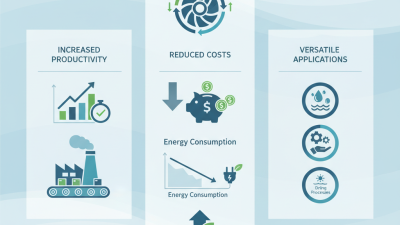
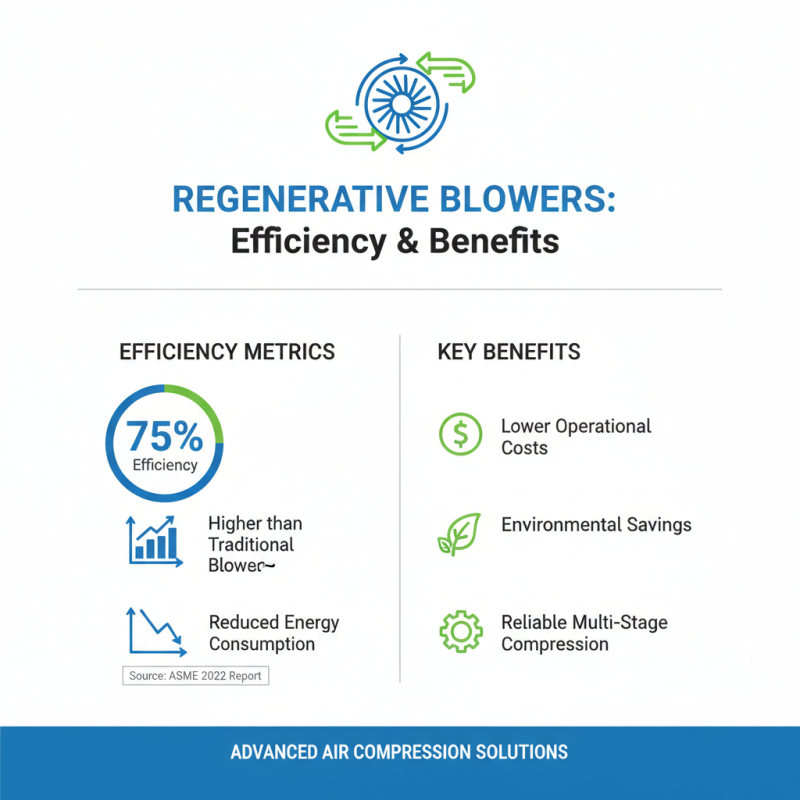
Regenerative blowers are gaining attention in various industries due to their efficiency and unique design. These blowers work by compressing air through multiple stages, leading to significant energy savings. According to a 2022 report by the American Society of Mechanical Engineers, regenerative blowers can achieve efficiencies up to 75%, which is higher compared to traditional blowers that max out around 60%. This efficiency translates into lower operational costs and reduced energy consumption.
The benefits of using regenerative blowers are noteworthy. For instance, they offer a compact design and require less maintenance due to fewer moving parts. This can lead to decreased downtime and improved reliability. A study from the International Energy Agency highlighted that industries utilizing such blowers reported potential savings of 25-35% on energy costs. These blowers also operate quietly, making them ideal for applications in environments sensitive to noise pollution.
However, it is essential to consider some limitations. While regenerative blowers excel in certain applications, they may not perform optimally in all scenarios. For example, they are less effective in vacuum applications compared to other technologies. Understanding the specific needs of your system is crucial when selecting a blower. The key is balancing energy savings with performance requirements to ensure the most suitable choice for your application.