What is a Ring Air Blower and How Does it Work?
In various industrial applications, the Ring Air Blower has become essential for efficient air circulation and vacuum creation. According to a recent report by Frost & Sullivan, the global market for air blowers is expected to reach $3.2 billion by 2025, highlighting the growing reliance on devices like Ring Air Blowers. These blowers operate on a simple principle of airflow generation, which ensures optimal performance in sectors such as wastewater treatment and pneumatic conveying.
The Ring Air Blower features a unique design that enhances its reliability and efficiency. With a compact footprint, it offers versatility in limited spaces. Yet, not all installations achieve peak efficiency due to potential misalignments or poor maintenance practices. Observations indicate that regular inspection could enhance performance, but many facilities overlook this crucial process, impacting overall productivity.
As industries continue to prioritize sustainable practices, understanding the mechanics of the Ring Air Blower becomes increasingly significant. By improving our knowledge of these systems, we can optimize their use and contribute to environmental goals. The potential is substantial, but it requires our commitment to innovation and improvement in maintenance strategies.
What is a Ring Air Blower?
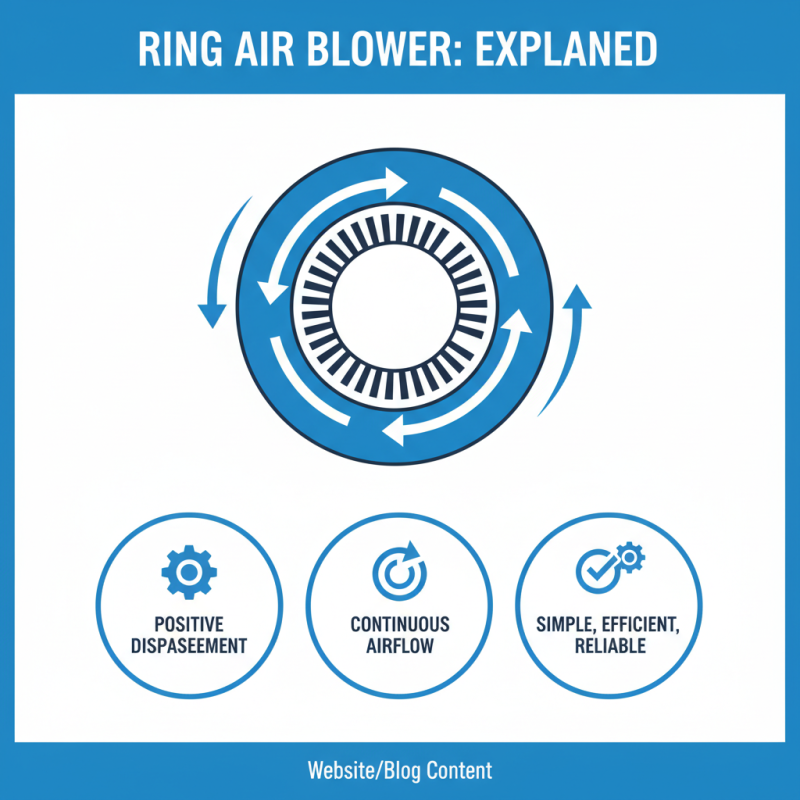
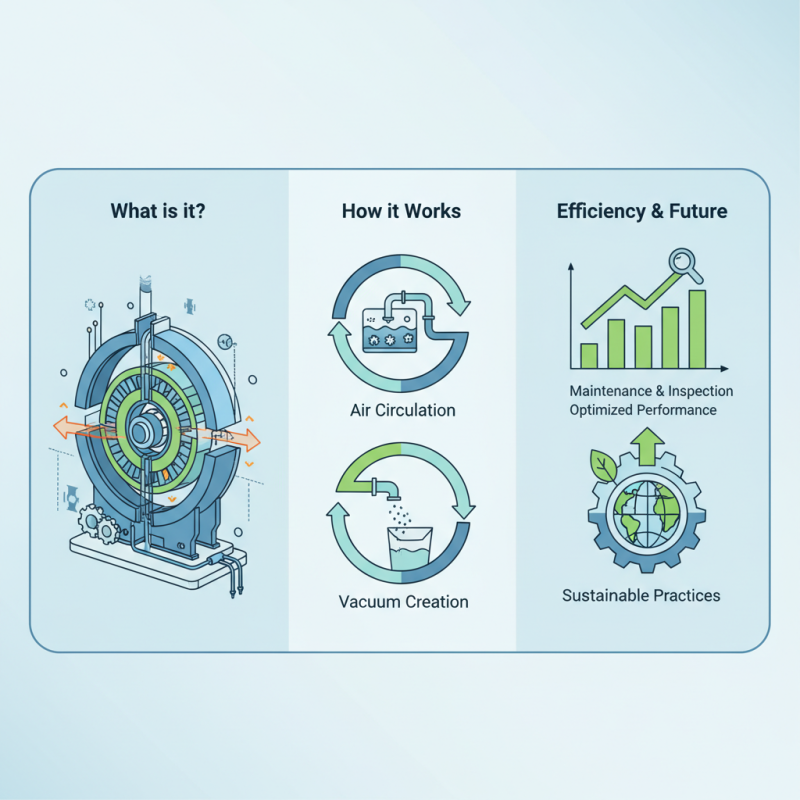
A ring air blower is a type of positive displacement blower. Its unique design features an impeller that creates a continuous flow of air. This airflow results from the ring shape surrounding the impeller. The simplicity of its design contributes to its efficiency and reliability.
These blowers are widely used in various applications, such as wastewater treatment and material handling. They can generate both vacuum and pressure. This versatility makes them suitable for different tasks. Users appreciate their low maintenance needs. However, it's essential to consider the specific requirements of your application.
**Tips:** When selecting a ring air blower, assess the required airflow and pressure. This will help ensure optimal performance. Regular checks can prolong the blower's lifespan. A minor adjustment can yield significant efficiency improvements. Keep in mind that improper sizing can lead to inefficiencies. It's essential to prioritize precision in your calculations.
Key Components of a Ring Air Blower
A ring air blower is an effective device used in various industries. Understanding its key components is essential to grasp how it functions. The primary parts include the impeller, casing, and motor. The impeller, typically made of durable materials, spins rapidly. This motion creates airflow essential for the blower's operation.
The casing surrounds the impeller. It is designed for optimal airflow management, directing the air efficiently. A well-engineered casing ensures minimal turbulence and energy loss. The motor powers the impeller. A reliable motor is crucial as it directly impacts the blower's performance and efficiency.
Regular maintenance is often overlooked. Cleaning and inspections can prolong the blower's lifespan. Ignoring these tasks may lead to reduced performance and higher energy costs. Understanding these components can lead to better decision-making regarding maintenance and use. Investing time in learning about ring air blowers pays off.
How a Ring Air Blower Operates: The Working Principle
A Ring Air Blower operates on a unique principle that enhances its efficiency. It utilizes a rotating disk and a specially designed ring. The design minimizes turbulence while maximizing airflow. When the disk spins, it creates a centrifugal force. This force draws air into the ring, allowing it to be expelled at high velocity. According to industry reports, these blowers can achieve up to 50% more efficiency than traditional blowers.
The operating mechanism also highlights a crucial aspect: noise levels. Many users report increased noise when using certain blowers. However, Ring Air Blowers, due to their design, can operate at lower sound levels. Data indicates that noise suppression in these models can be up to 10 dB lower than standard blowers. This is particularly advantageous in work environments where noise pollution is a concern.
When it comes to maintenance, simplicity is key. Regular checks on the sealing systems are necessary. Yet, many operators overlook this step. Neglecting this can lead to decreased performance and safety issues. Engaging with an expert can ensure optimal functionality and efficiency, reflecting the ongoing need for thoroughness in equipment care.
Applications of Ring Air Blowers in Various Industries
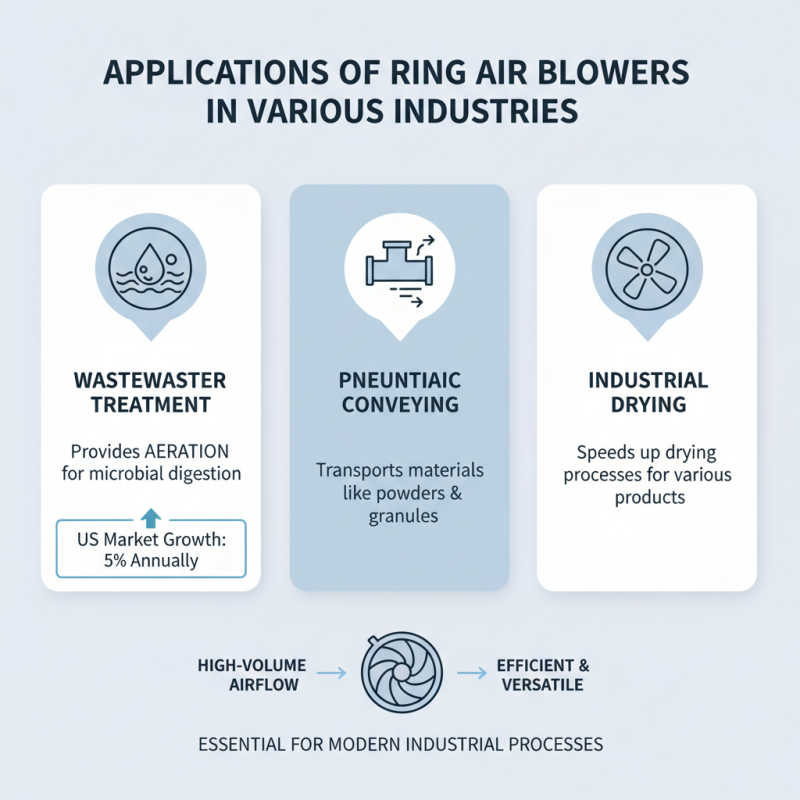
Ring air blowers are essential in various industries due to their efficiency and versatility. These devices use centrifugal force to generate high volumes of air, making them suitable for several applications. For instance, in wastewater treatment plants, ring air blowers provide aeration, which is vital for microbial digestion processes. The US market for ring blowers in wastewater treatment is projected to grow by 5% annually, indicating their increasing importance.
In the manufacturing sector, ring air blowers are used for material handling. They help convey materials like grains and plastics, improving productivity. Studies show that companies using ring blowers can reduce energy costs by up to 30%. This significant reduction is crucial given the rising energy prices. However, many businesses can underestimate their maintenance needs. Neglecting regular maintenance can lead to inefficiencies and increased operational costs.
Moreover, ring air blowers are prominent in the food industry. They assist in packaging processes, ensuring products remain uncontaminated. Reports indicate that the demand for dust-free packaging solutions is increasing, driving the use of these blowers. Still, some industries face challenges in integrating new technologies. Resistance to change can hinder potential gains in efficiency. Addressing these issues requires both investment and a shift in mindset among stakeholders.
Advantages of Using Ring Air Blowers Over Other Types
Ring air blowers present several advantages over traditional blower systems. Their design allows for higher efficiency in air compression. Reports indicate that ring blowers can achieve up to 70% efficiency, significantly improving energy consumption. This makes them ideal for applications requiring continuous operation, such as pneumatic conveying or waste treatment processes.
Another noteworthy aspect is their low noise level. Many ring air blowers operate at decibel levels below 80. This is beneficial in workplaces or environments where minimizing sound is critical. Additionally, they require less maintenance than their counterparts. The absence of friction from moving parts leads to longer lifespans and reduced downtime. However, it is essential to consider that their performance may vary under extreme conditions. The need for regular monitoring cannot be overlooked.
A common challenge is the limited pressure capabilities compared to rotary compressors. Ring air blowers generally excel in low to moderate pressure applications. This clarifies why assessing your needs before choosing a blower solution is crucial. Overall, ring air blowers can be a reliable option for various industrial needs, provided their specifications align with operational requirements.