What is a Side Channel Blower and How Does it Work?
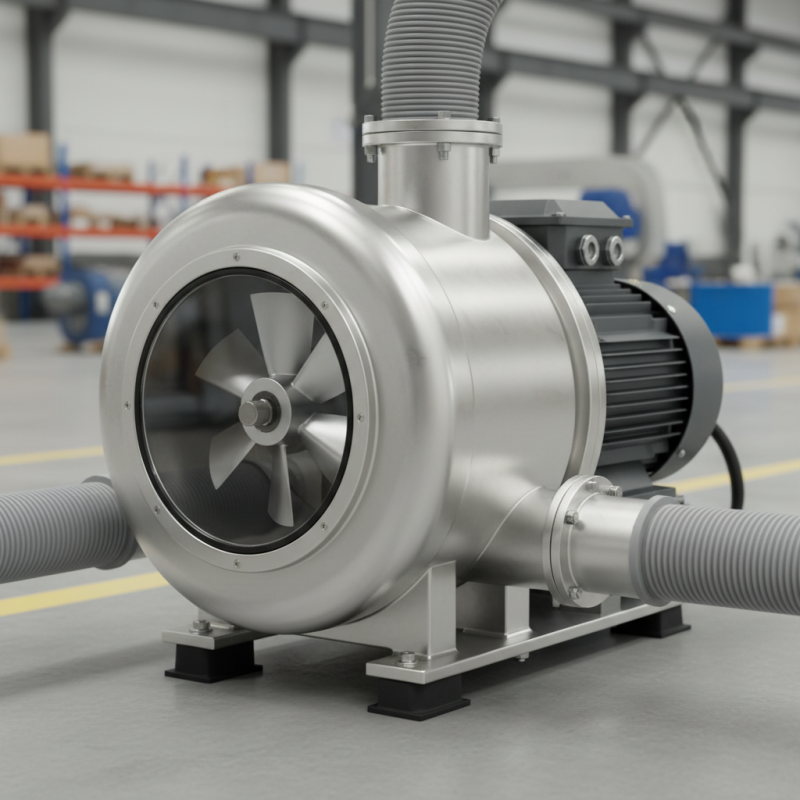
A Side Channel Blower is a unique device used for various industrial applications. It operates by creating a pressure difference in a confined space. This mechanism allows it to move air or gas effectively. The design includes an impeller and a casing, working together to generate airflow.
Understanding how a Side Channel Blower functions is essential for many engineers. It offers benefits like energy efficiency and low noise levels. Yet, not every application may suit its use. For example, some environments may require different types of blowers. The choice of blower can impact overall performance significantly.
While the technology has advantages, it also presents challenges. Maintenance of a Side Channel Blower can be demanding. Additionally, improper installation can lead to inefficiencies. Thus, it requires careful consideration and planning.
What is a Side Channel Blower?
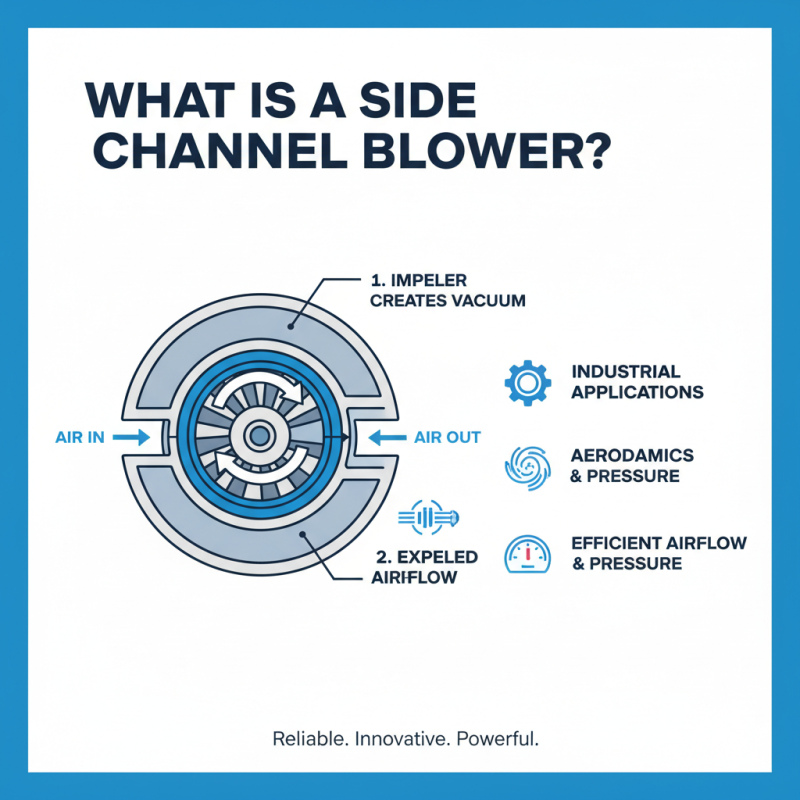
A side channel blower is a unique device used in various industrial applications. It generates airflow through the principles of aerodynamics and pressure differentials. Unlike conventional blowers, which rely on rotating blades, side channel blowers harness a rotating impeller that creates a vacuum. This vacuum draws air into the side channel, which is then compressed and expelled. It's efficient and can handle a wide range of pressures.
Tips: Regular maintenance is essential for optimal performance. Check for any blockages that may hinder airflow. This can prevent wear and tear on the unit.
Side channel blowers can operate in challenging environments. They are often used for cooling systems, vacuum applications, and even in pneumatic conveying. While they offer many advantages, like low noise levels, they can also present some issues. Improper installation or poor material choices can lead to inefficiencies.
Tips: Always ensure that the blower is installed correctly. Consult the manufacturer’s guidelines. It can save you time and money in the long run.
Principle of Operation for Side Channel Blowers
Side channel blowers are unique devices used for generating air flow. Their operation is quite fascinating. They create a continuous flow of gas through a series of rotating blades. This design creates pressure as air moves through the blower. It is different from traditional blowers, which rely on fans.
The principle of operation hinges on the "side channel" effect. Air enters from the side and is compressed as it moves through the blades. This creates a high-pressure output. Efficiency is key here. If the design is not optimal, performance drops. Users might underestimate how critical proper installation is. Each detail counts in maximizing flow rates.
Another aspect to consider is noise. These blowers can be quieter than standard fans, but not always. Sound dampening may be necessary in some environments. Vibration can also affect performance, leading to wear. Regular maintenance helps avoid these issues. Still, some operators may overlook this, leading to inefficiencies. Taking the time to understand how they work can help enhance their longevity.
Components of a Side Channel Blower
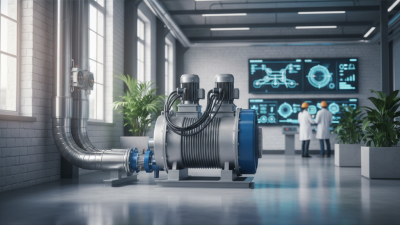
A side channel blower consists of various components working in harmony. The main part is the
impeller, which spins at high speed. This rotation creates a low-pressure area. Air is drawn into the blower due to this pressure difference.
The impeller usually features multiple blades. This design improves airflow efficiency and pressure output.
The casing surrounds the impeller, guiding the airflow. It helps maintain the pressure build-up essential for
optimal performance. Additionally, there are inlet and outlet ports. These ports direct how air enters and exits the system. They play a crucial role in maximizing the blower's effectiveness.
Another significant component is the motor. It powers the impeller and determines the blower’s speed. A well-sized motor can greatly impact performance. However, miscalculating motor specifications can lead to inefficiencies.
Regular maintenance is also vital. Without it, the blower may lose efficiency over time. Understanding these components helps optimize the side channel blower’s operation.
Applications of Side Channel Blowers in Industry
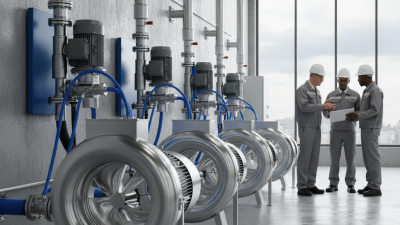
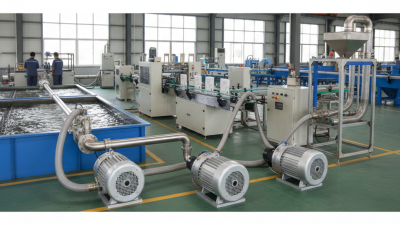
Side channel blowers play a crucial role in various industrial applications. They are designed to create a steady airflow, useful in many sectors. One key area is wastewater treatment. In these facilities, blowers help circulate air to keep microorganisms alive. This process is vital to break down contaminants in water.
Another significant application is in the food industry. Here, side channel blowers provide airflow for cooling and drying processes. For instance, they assist in cooling baked goods right after leaving the oven. This helps maintain the quality and texture of the products. When not used properly, these blowers can lead to poor results. Overheating or excessive airflow might damage delicate items.
In the pharmaceutical sector, precision is critical. Side channel blowers help maintain sterile environments by controlling air pressure. They ensure that airflows are not too powerful, preventing contamination. However, improper installation can cause issues. Regular maintenance is crucial to avoid breakdowns that could halt production. Balancing airflow is essential.
Advantages and Limitations of Side Channel Blowers
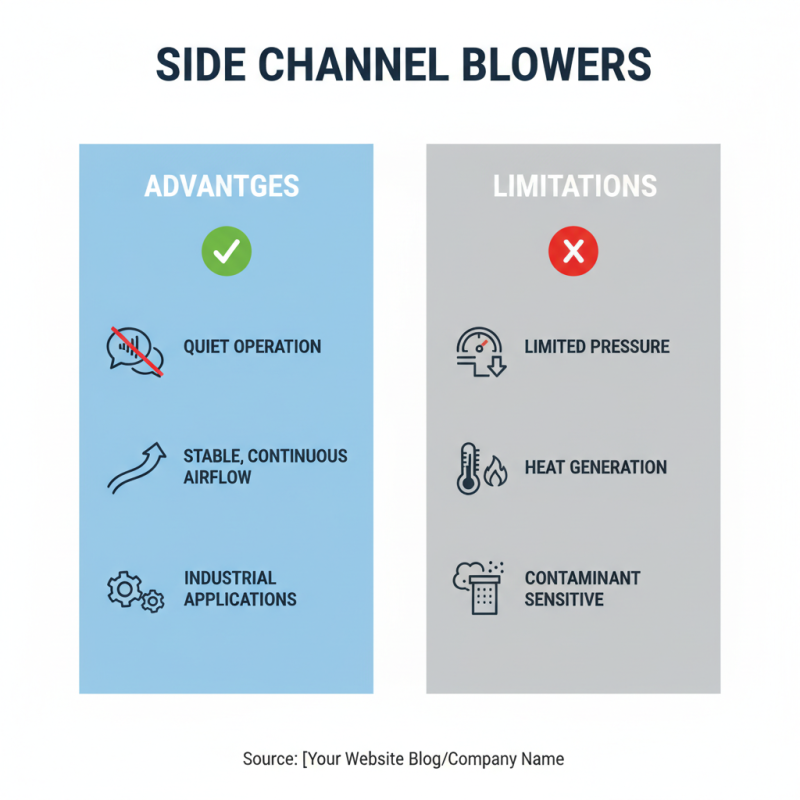
Side channel blowers are gaining popularity in various industrial applications. They offer several advantages. These blowers operate quietly, creating minimal noise pollution in workplaces. This is especially important in sectors where sound levels must be kept low. Additionally, side channel blowers provide a stable and continuous air flow. This consistency makes them ideal for processes requiring precise air delivery.
However, side channel blowers also come with limitations. They have a lower efficiency than other blower types, particularly in high-pressure situations. A report from the American Society of Mechanical Engineers notes that these blowers typically perform best at low to medium pressure levels. Users may struggle to achieve desired air volumes if they push the blowers beyond their optimal range. Maintenance can become an issue, as wear and tear can affect performance over time.
These factors must be considered when selecting a side channel blower. The trade-offs between noise reduction and efficiency can influence operational costs. Exploring alternative options may yield better performance in specific applications. Understanding these elements is vital for making informed choices in industrial settings.