Top Surge Pond Aerator Benefits for Your Backyard Pond Health?
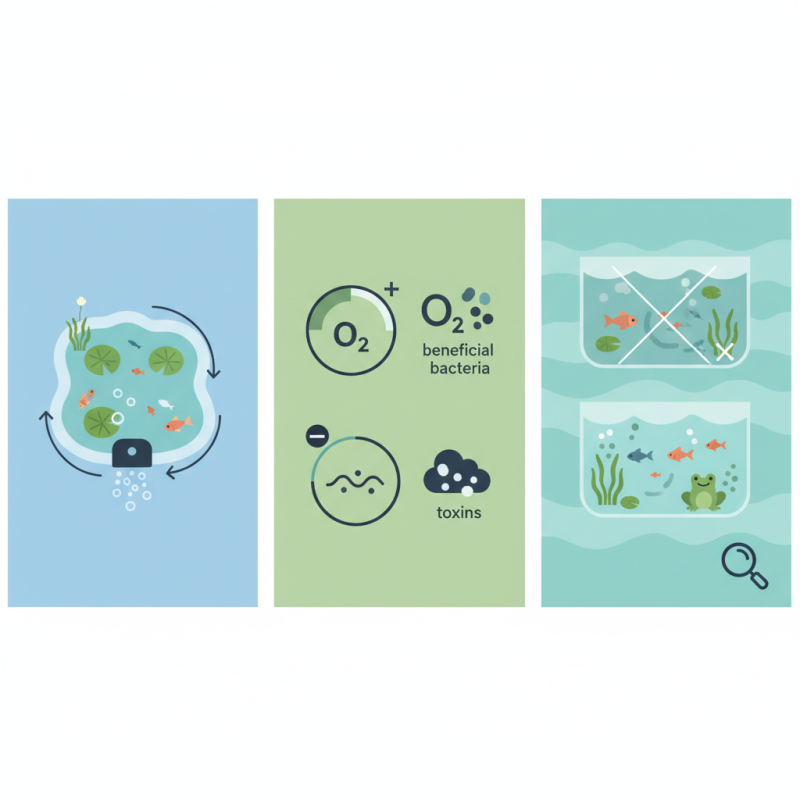
Maintaining a healthy backyard pond can be challenging. One effective solution is the Surge Pond Aerator. This innovative device enhances water quality and promotes aquatic life. By introducing oxygen into the water, it supports beneficial bacteria and reduces harmful toxins.
Many pond owners overlook the importance of aeration. They may not realize its impact on fish health and plant growth. The Surge Pond Aerator is specifically designed to address these needs. Its efficient design encourages a balanced ecosystem, making your pond vibrant and beautiful.
Investing in a Surge Pond Aerator brings many advantages. You’ll notice improved clarity and a thriving habitat for wildlife. However, not all aeration methods work equally well. It's crucial to research and select the right system for your unique pond. Reflecting on your choices can lead to better pond health and enjoyment.
Understanding Aeration and Its Importance for Pond Health
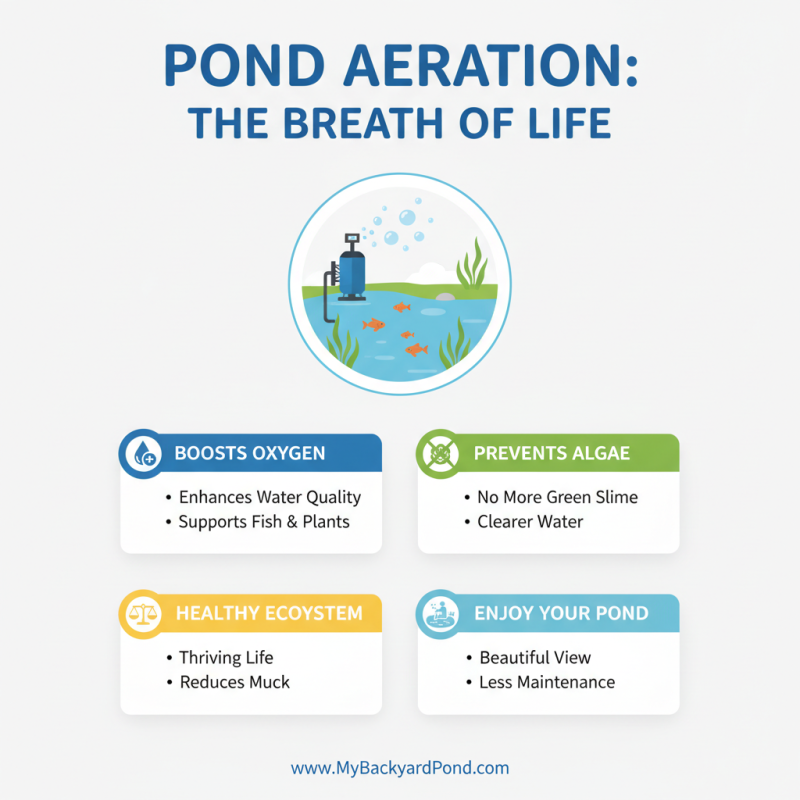
Aeration is vital for any backyard pond. It enhances water quality by increasing oxygen levels. This process supports fish and plant life. Healthy oxygen levels prevent harmful algae blooms. Algae can choke your pond, making it less enjoyable.
When introducing aeration, consider the pond's unique needs. Every pond is different. You might notice that some areas have stagnant water. This stagnation can harm aquatic life. Regular aeration ensures that all parts of the pond receive ample oxygen.
**Tips:** Monitor your pond regularly. Look for signs of murky water or unpleasant odors. These can indicate poor aeration. It's essential to maintain a balance between aeration and water plants. Too much agitation might disturb nesting fish. Be aware of the pond's natural ecosystem.
Aeration can also improve clarity. It helps keep debris suspended until it decomposes. This process enhances the visual appeal. However, over-aeration may lead to excessive water movement. This can disrupt the habitat of bottom-dwelling creatures. Regularly evaluate the aeration system’s effectiveness for the best results.
Key Benefits of Using a Surge Pond Aerator in Your Backyard
Using a surge pond aerator can greatly enhance your backyard pond's health. Aeration promotes oxygen transfer, vital for aquatic life. A study from the Environmental Protection Agency (EPA) indicates that aerated ponds often see up to a 50% increase in fish populations. This improvement comes from higher oxygen levels, allowing fish to thrive.
Another key benefit is algae control. Algae thrive in stagnant water with high nutrient levels. A well-aerated pond helps to circulate nutrients, which can suppress excessive algae growth. Reports suggest that aeration can reduce algae blooms by as much as 80%. This leads to clearer water and a healthier ecosystem.
However, it's important to monitor the aeration system regularly. Ineffective aeration can sometimes lead to uneven oxygen distribution. This creates dead zones in ponds, where fish may struggle to survive. Ensuring proper installation and maintenance is crucial for achieving the desired outcomes. Regular checks can prevent unexpected issues, like areas with low oxygen.
How Surge Pond Aerators Improve Water Quality and Clarity
A surge pond aerator plays a crucial role in enhancing water quality in backyard ponds. By increasing oxygen levels, it helps beneficial bacteria thrive. These bacteria break down organic matter, preventing toxic buildup. Research indicates that well-aerated ponds can lead to a 30% decrease in harmful algae blooms. This creates a healthier ecosystem for fish and plants, promoting biodiversity.
Aeration also improves water clarity. When the pond is adequately oxygenated, suspended particles settle more effectively. This can reduce turbidity levels by up to 50%. Clear water allows more sunlight to penetrate, fostering plant growth. However, not all ponds respond equally. Factors like size and existing pollution levels can limit the benefits. Regular monitoring is essential to assess the impact of aeration.
Furthermore, these aerators help regulate temperature variations in the water. Different aquatic species thrive within specific temperature ranges. By maintaining consistent temperatures, aerators support fish survival and reproductive cycles. Yet, users must be cautious. Over-aeration can lead to oxygen oversaturation, stressing fish. Finding the right balance is key to ensuring a thriving pond ecosystem.
Top Surge Pond Aerator Benefits for Your Backyard Pond Health
Surge pond aerators significantly enhance the health of backyard ponds by improving crucial factors such as dissolved oxygen levels and water clarity, while also aiding in algae control and promoting fish health.
The Role of Aeration in Promoting Aquatic Life and Ecosystem Balance
Aeration plays a vital role in a pond's ecosystem. It provides oxygen to fish and other aquatic organisms. Without adequate oxygen, life can quickly decline. Healthy fish require oxygen-rich water to thrive. Plants also need oxygen for growth. Aerated ponds usually feature clear water. Lack of aeration can lead to murky conditions.
In addition, aeration promotes nutrient balance in the pond. Excess nutrients fuel harmful algal blooms. These blooms consume oxygen and harm fish. By maintaining a balanced ecosystem, aerators help combat these issues. When water circulates, harmful bacteria are reduced. This creates a healthier habitat for all pond inhabitants.
It's important to remember that not all ponds are the same. Some may not see significant changes. Factors like shape and depth influence aeration effectiveness. Regular monitoring is crucial to assess the condition of your pond. Sometimes, aeration alone isn't enough. Additional steps, like reducing nutrient input, may be necessary. Understanding your pond's unique needs can lead to better results.
Top Surge Pond Aerator Benefits for Your Backyard Pond Health
| Benefit |
Description |
Impact on Ecosystem |
| Improves Oxygen Levels |
Aeration increases the diffusion of oxygen in the water, promoting a healthier environment for aquatic life. |
Supports fish development and plant growth. |
| Reduces Algae Growth |
By promoting balanced oxygen levels, aeration helps deter excessive algae blooms. |
Maintains clearer water and a balanced ecosystem. |
| Enhances Water Circulation |
Aerators help to circulate water, ensuring that nutrients are evenly distributed throughout the pond. |
Promotes overall habitat stability and health for aquatic organisms. |
| Supports Healthy Bacteria |
Aeration encourages the growth of beneficial bacteria that help to decompose organic matter. |
Improves water clarity and quality by breaking down waste materials. |
| Temperature Regulation |
Aeration aids in regulating temperature by mixing warmer surface water with cooler pond depths. |
Prevents thermal stratification, ensuring a stable environment for aquatic life. |
Maintenance Tips for Maximizing the Effectiveness of Your Aerator
Maintaining a healthy backyard pond requires proper aeration. A surge pond aerator improves water quality significantly. However, to maximize effectiveness, it demands regular maintenance. Reports indicate that properly maintained aerators can enhance oxygen levels by up to 80%. This is crucial for fish and aquatic plants.
Check your aerator often. Make sure the air stones are free of debris. If they are clogged, replace them immediately. Clean components with a brush to prevent algae growth. Look for any signs of wear or damage. Even small cracks can reduce efficiency.
Regularly adjust the aerator’s depth. Too deep, and it may not work well. Too shallow, and it can disrupt sediment layers. Aim for a balance that optimizes oxygen distribution. Seasonal checks are essential for addressing any issues, especially before hot weather hits. Maintaining clear pathways for bubbles is vital for efficiency.