Ultimate Tips for Choosing the Best Roots Air Blower?
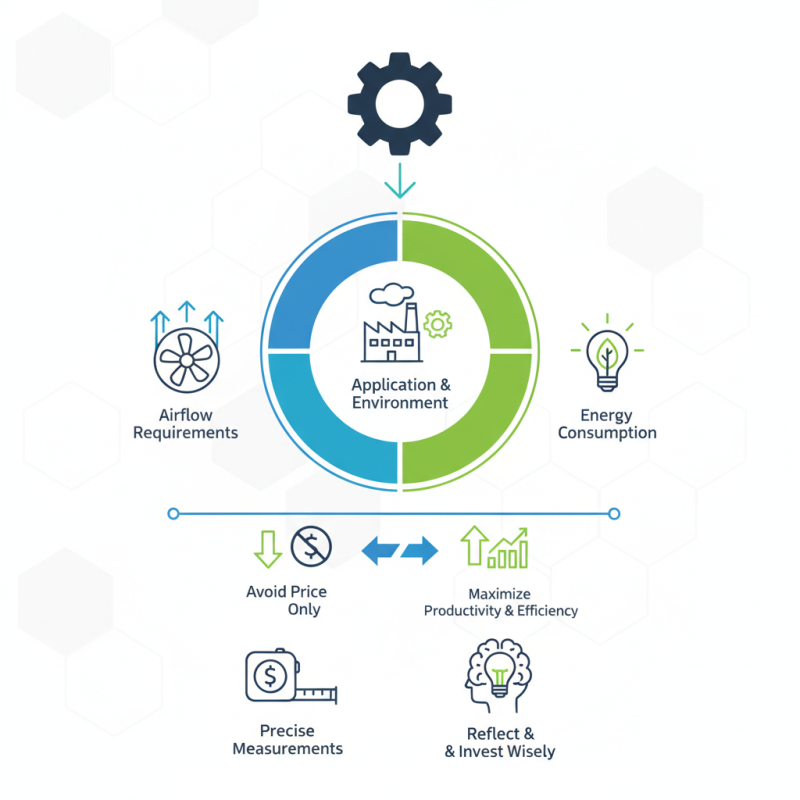
Choosing the right Roots Air Blower can significantly impact operational efficiency. Expert John Smith, a leading specialist in industrial blowers, states, "Selection should align with both application and environment." This emphasizes the importance of understanding your specific needs.
When evaluating Roots Air Blowers, consider factors like airflow requirements and energy consumption. A blower that suits one application may not work as effectively in another. For example, precise measurements of your facility's air flow can lead to better performance.
The right Roots Air Blower maximizes productivity and minimizes energy costs. However, it's essential to avoid the temptation of choosing based solely on price. Every detail matters in this decision. Take time to reflect on your unique operational demands and ensure you invest wisely.
Understanding the Functionality of Roots Air Blowers
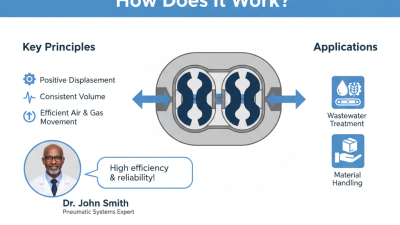
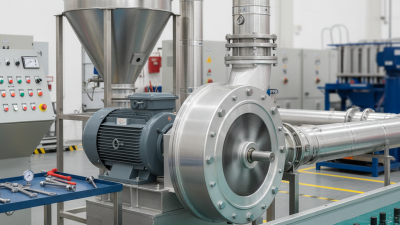
Roots air blowers play a critical role in various industrial applications. These devices utilize positive displacement to move air or gas efficiently. Understanding their functionality is key for making an informed choice. They usually operate with a simple two-lobe design, which effectively reduces turbulence and noise. According to a report by the American Society of Mechanical Engineers, the efficiency of roots air blowers can reach up to 85%, making them a popular choice in many sectors.
In wastewater treatment, the demand for roots air blowers has surged. In 2022, the global market for air blowers was valued at approximately $3 billion, with roots blowers comprising a substantial portion of that figure. Their ability to deliver consistent airflow is essential in aeration tanks. Users often highlight their durability and low maintenance needs. However, not all installations achieve optimal efficiency. Some operators report issues with vibration and noise levels that exceed manufacturer specifications.
When evaluating roots air blowers, factors like installation space and capacity should be considered. A poorly selected blower could lead to increased operational costs. It's also crucial to assess the specific requirements of your process. The wrong choice can result in underperformance or overcapacity, which creates inefficiencies. Balancing these elements is vital to ensure long-term reliability and performance.
Key Factors to Consider When Selecting a Roots Air Blower
When selecting a Roots air blower, several key factors come into play. Understanding your application is essential. Different industries have unique requirements. Capacity, pressure, and efficiency matter. Assess the airflow needed for your operation. High-demand processes might need higher capacity models.
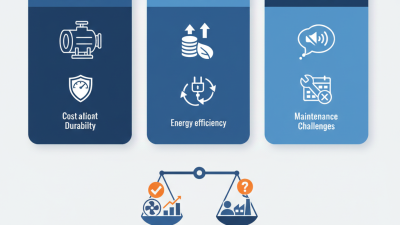
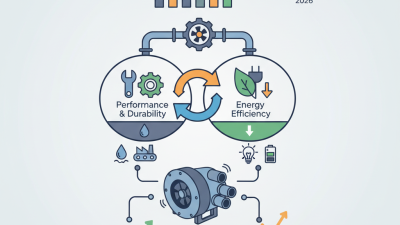
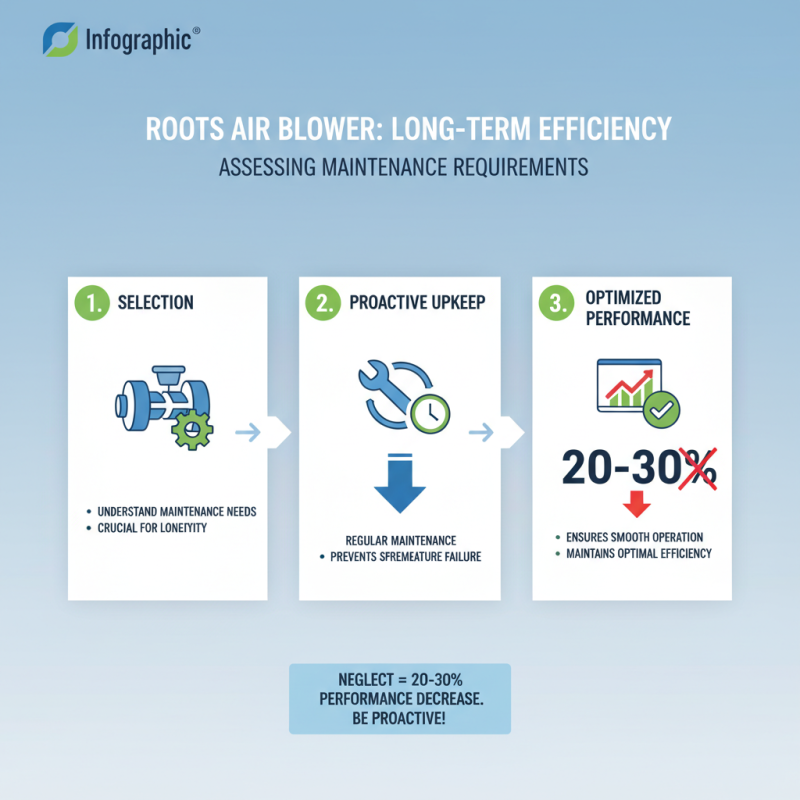
Durability and maintenance are crucial elements too. A reliable blower should withstand continuous use. Consider the materials used in its construction. Corrosive environments may require specialized coatings. Regular maintenance can prolong its lifespan but also needs to be straightforward. Check for accessible components that simplify servicing.
Noise levels are often overlooked. A blower can be powerful yet disruptive. Investigate the sound ratings before making a choice. Additionally, consider energy efficiency. An efficient unit can lower operating costs. Research and compare specifications to find optimum energy use. While it’s easy to get lost in technical details, clarity in your needs will guide you in the right direction.
Comparing Different Types of Roots Air Blowers Available
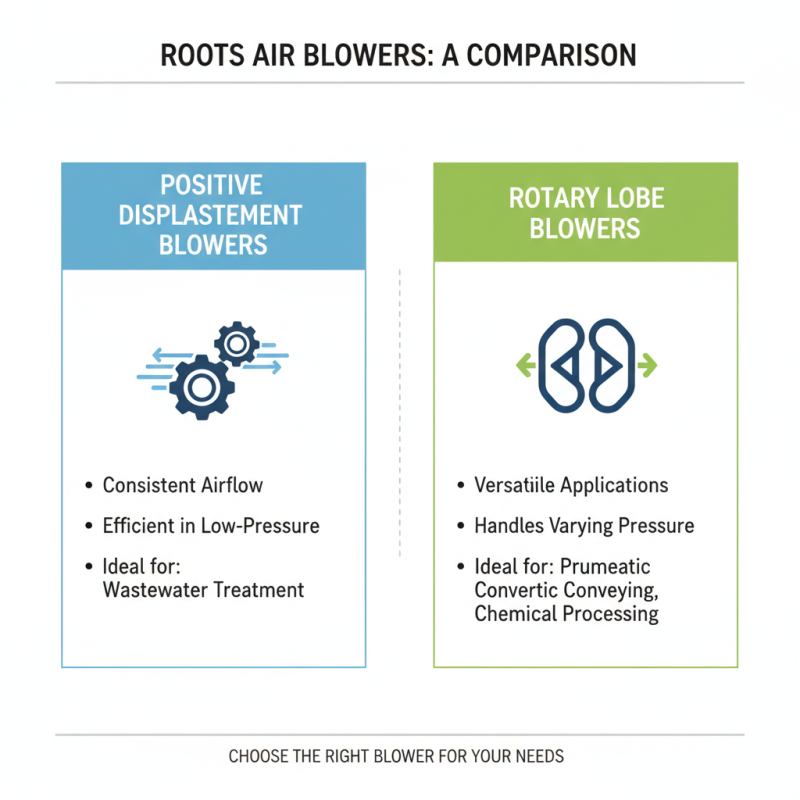
When selecting a Roots air blower, understanding the variations available is essential. Common types include positive displacement blowers and rotary lobe blowers. Each has unique features suited for different applications. For instance, positive displacement blowers are favored for their efficiency in low-pressure environments. They provide consistent airflow, making them ideal for wastewater treatment plants.
Rotary lobe blowers, on the other hand, are known for their durability and ability to handle higher pressures. These blowers are often used in pneumatic conveying systems. While they may require more energy, their robust design can lead to longer operational life. However, it’s crucial to consider maintenance needs, as rotary blowers can be more complex.
Sizing is another significant factor. An improperly sized blower can lead to inefficiencies and higher operational costs. Users often overlook this detail, leading to performance issues. Careful evaluation of both airflow requirements and pressure specifications will help ensure the right fit. Ultimately, a thoughtful approach to understanding these different types can streamline your decision-making process.
Evaluating Performance Metrics for Air Blowers
When selecting an air blower, performance metrics are crucial to ensure efficiency and reliability. Start by examining airflow rate, measured in CFM (cubic feet per minute). A higher CFM indicates a more powerful blower. Additionally, check the air pressure rating. It’s usually measured in PSI (pounds per square inch). A suitable balance between CFM and PSI is essential for optimal performance.
Noise level is another vital metric. Blowers can produce significant sound, and a quieter model may be preferable for residential use. Look for decibel ratings when comparing products. Operating time also matters. Some blowers may struggle under prolonged use, which might affect performance. Consider the motor type as well; brushless motors generally offer more efficiency and durability.
Reflect on the usability factors too. Weight and portability can impact how effectively you can manage the blower. A heavier model can be cumbersome, especially for lengthy tasks. Not all blowers are user-friendly, and some may have complicated controls. Thus, prioritize ease of use alongside power. Proper research and testing can reveal whether a blower meets your needs. Adjusting expectations based on these metrics can lead to better overall satisfaction.