Top 10 Centrifugal Air Blowers for Global Buyers Guide?
Choosing the right Centrifugal Air Blower is crucial for various industrial applications. This guide presents a selection of the top 10 blowers available globally. Centrifugal Air Blowers are known for their efficiency and reliability in moving air. These devices play a key role in HVAC systems, dust collection, and pneumatic conveying.
In the fast-paced industrial landscape, having the right equipment can lead to significant operational benefits. However, not all blowers are created equal. Factors such as power consumption, airflow capacity, and maintenance requirements should be considered. A minor oversight in selecting a Centrifugal Air Blower can lead to inefficiencies.
Each model in our guide offers unique features tailored to different needs. Yet, it is essential to reflect on your specific requirements before making a decision. This comprehensive review aims to empower buyers with the knowledge needed to invest wisely and efficiently in Centrifugal Air Blowers.
Types of Centrifugal Air Blowers and Their Applications
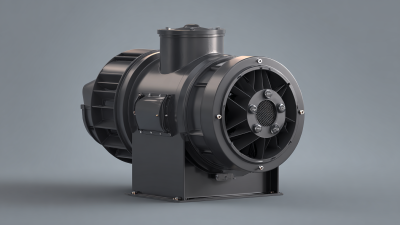
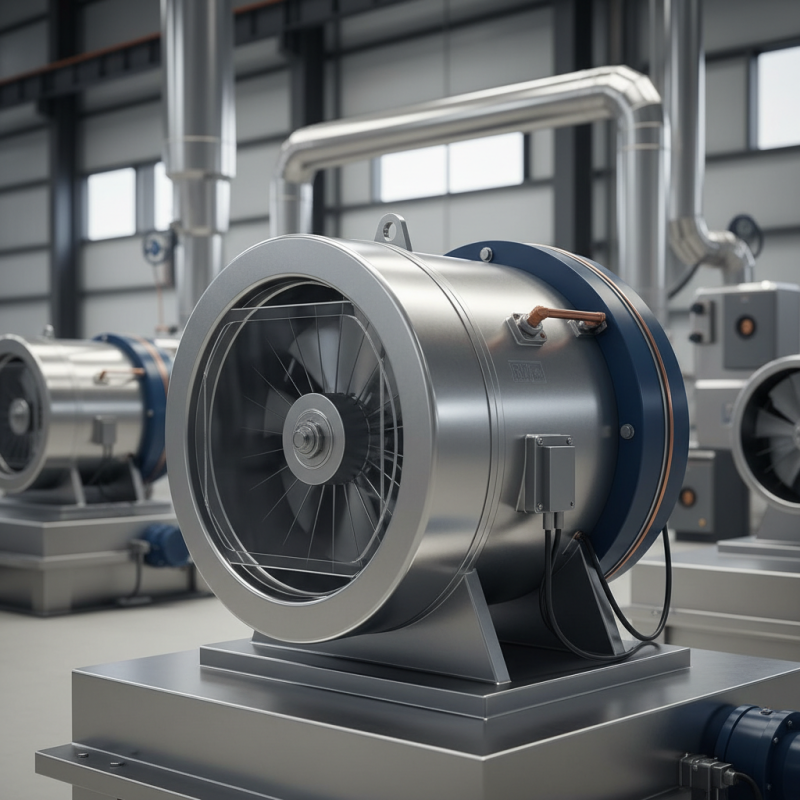
Centrifugal air blowers play a crucial role in various industrial applications. They generate airflow by using rotational energy, which allows them to operate efficiently over a wide range of conditions. These blowers are often used in ventilation systems, exhaust applications, and even material handling. Their mechanism relies on impellers to accelerate air, creating high-pressure output. This makes them ideal for tasks requiring substantial airflow and pressure.
Different types of centrifugal air blowers serve specific purposes. For instance, high-pressure blowers are designed for dust collection and pneumatic conveying. In contrast, low-pressure variants are more effective in HVAC systems and industrial drying processes. Each type has unique characteristics that influence energy consumption and performance. Understanding these differences can lead to better system design and application choice. Not all applications benefit from the same blower design. Sometimes, inappropriate choices can lead to inefficiencies and increased operational costs.
When selecting a centrifugal air blower, consider the required airflow rate and pressure drops. Specific requirements can change based on environmental conditions and operational objectives. Testing and adjustments may reveal shortcomings in initial choices. It's vital to analyze real-world performance against expectations to ensure reliability and efficiency in operations. Continual evaluation can help in refining selections and achieving optimal performance.
Key Features to Consider When Selecting Centrifugal Air Blowers
When selecting a centrifugal air blower, consider several key features that impact performance. Start with airflow capacity. It's essential to match the blower’s capacity with the specific needs of your application. A unit with too high a capacity may lead to energy waste. Conversely, a low-capacity blower might struggle to meet airflow demands.
Another critical feature is efficiency. Look for blowers designed to minimize energy consumption. Higher efficiency generally translates to reduced operating costs over time. Pay attention to the noise level as well. Some blowers operate quietly, making them suitable for noise-sensitive environments. In contrast, others may produce unwanted sound.
Tips for optimal selection: Assess your current and future needs before purchasing. It's easy to overlook expansion possibilities, which can lead to earlier replacements. Also, consider ease of maintenance. Complex designs can result in higher service costs. Streamlined units may offer easier access to components, making routine checks more manageable. Always prioritize reliability and performance over initial cost to ensure long-term satisfaction.
Top 10 Centrifugal Air Blowers for Global Buyers Guide
| Model |
Power (kW) |
Air Flow (m3/h) |
Static Pressure (Pa) |
Weight (kg) |
Noise Level (dB) |
| Model A |
15 |
1200 |
1500 |
90 |
75 |
| Model B |
22 |
1500 |
1600 |
110 |
78 |
| Model C |
30 |
2000 |
1800 |
120 |
80 |
| Model D |
40 |
2500 |
2000 |
150 |
85 |
| Model E |
50 |
3000 |
2200 |
180 |
90 |
| Model F |
60 |
3500 |
2400 |
200 |
95 |
| Model G |
70 |
4000 |
2600 |
220 |
100 |
| Model H |
80 |
4500 |
2800 |
250 |
105 |
| Model I |
90 |
5000 |
3000 |
300 |
110 |
| Model J |
100 |
5500 |
3200 |
350 |
115 |
Top Brands Offering High-Quality Centrifugal Air Blowers
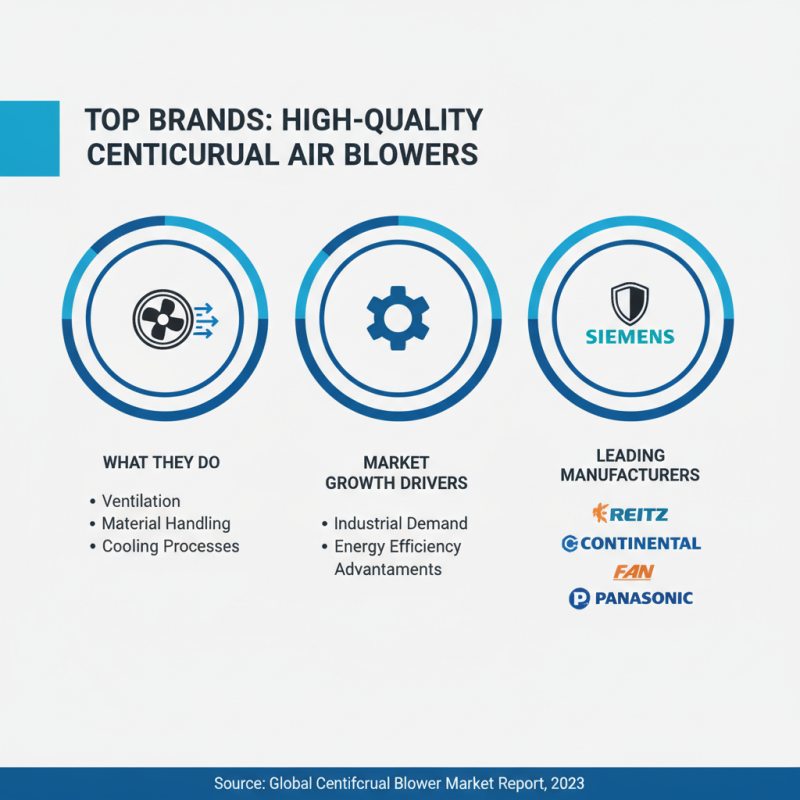
Centrifugal air blowers play a crucial role in various industries. They are essential for ventilation, material handling, and cooling processes. According to a recent market report, the global centrifugal blower market is expected to grow significantly. The demand for energy-efficient solutions drives this growth.
Top brands in the industry emphasize quality in their products. They utilize advanced engineering techniques to enhance efficiency and reduce noise levels. A well-designed blower can contribute to lower operational costs, saving businesses money in the long run. For instance, efficient blowers can reduce energy consumption by as much as 40% compared to older models.
Choosing the right centrifugal blower requires careful consideration. Factors such as airflow requirements and application specifics are vital. Reliability is paramount. A blower failure can halt operations, leading to significant downtime. Industry experts suggest that companies invest in models with robust customer support and warranty options. This ensures long-term performance and peace of mind.
Performance Comparisons of Leading Centrifugal Air Blower Models
When selecting a centrifugal air blower, performance comparisons become crucial. Each model varies significantly in design and output capabilities. Parameters like airflow, pressure, and energy efficiency must be analyzed carefully. For example, some blowers excel in high air volume applications while others are tailored for specific pressure outputs. A thorough examination of these elements can lead to better operational efficiency.
Noise levels are another important factor. Many high-performance blowers generate excessive noise, which can be disruptive. Balancing performance and quiet operation is essential for many buyers. Additionally, maintenance requirements often differ. Some blowers require more frequent servicing, while others offer longer periods between maintenance checks.
Understanding the specifications and real-time performance feedback is vital. User experiences can highlight potential drawbacks. For example, a blower may have high efficiency but limited durability. Gathering data from multiple sources can provide a well-rounded view. Not every product meets the expectations upon use. This realization may prompt buyers to reconsider their choices based on real-world applications.
Maintenance Tips for Optimal Performance of Centrifugal Air Blowers
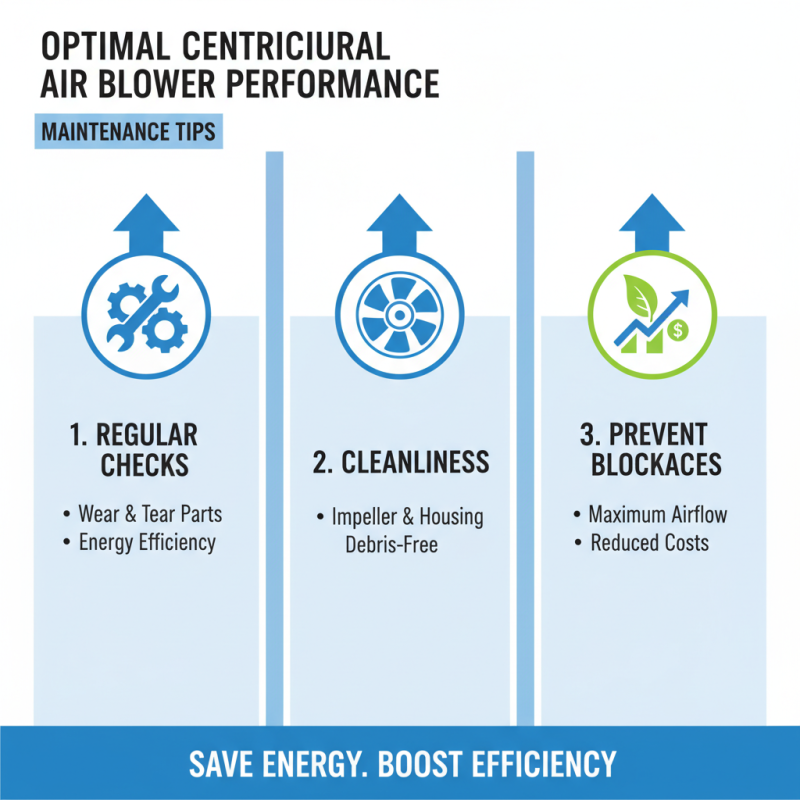
Centrifugal air blowers require regular maintenance for optimal performance. Neglecting maintenance can lead to inefficiencies and increased energy costs over time. Routine checks on wear and tear parts are essential. Ensure the blower's impeller and housing are clean and free from debris. Even small blockages can significantly reduce airflow.
Check lubrication levels as well. Proper lubrication minimizes friction, reducing wear and extending the blower's lifespan. Consider using high-quality lubricants designed for these systems. Monitoring vibration levels can also provide insights into potential issues. Unexpected vibrations might indicate misalignment or imbalance. Addressing these problems early can save on costly repairs.
Additionally, always inspect the inlet filters. Clogged filters restrict airflow, causing stress on the blower. Replace or clean them when needed. Over time, dust and dirt buildup can affect performance. An overlooked detail can lead to failures. Timely maintenance ensures that centrifugal air blowers operate efficiently, prolonging their service life and reliability in various applications.