Top 10 High Pressure Ring Blower Applications You Need to Know?
High Pressure Ring Blowers play a vital role in various industries, directly impacting efficiency and performance. According to a report by Grand View Research, the global market for blowers is expected to exceed $8 billion by 2027. This growth highlights the increasing demand for efficient air movement solutions. High Pressure Ring Blowers are widely used in applications such as wastewater treatment, pneumatic conveying, and material handling. These applications require reliable, high-performance equipment to optimize operations.
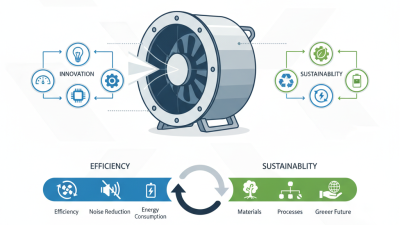
The versatility of High Pressure Ring Blowers allows them to adapt to numerous settings. However, some applications may reveal limitations, such as noise generation or energy consumption. Industry professionals are continually analyzing these factors to improve designs and performance. Manufacturers are focusing on developing quieter, more energy-efficient models. This ensures that they not only meet industry demands but also tackle the pressing concerns around environmental impact and operational costs.
As technology advances, High Pressure Ring Blowers are becoming smarter and more efficient. Companies are investing in better materials and innovative designs. This evolution supports the increasing need for accurate and dependable airflow solutions. Understanding their various applications is crucial for leveraging their advantages. Each application reveals its own challenges and opportunities. A deeper exploration can provide insights into maximizing performance in specific environments.
High Pressure Ring Blower Overview and Working Principle
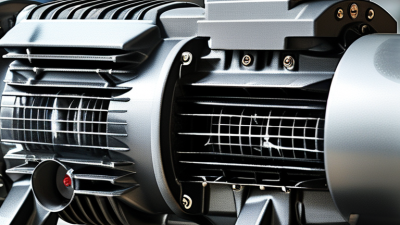
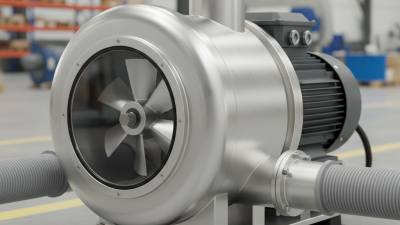
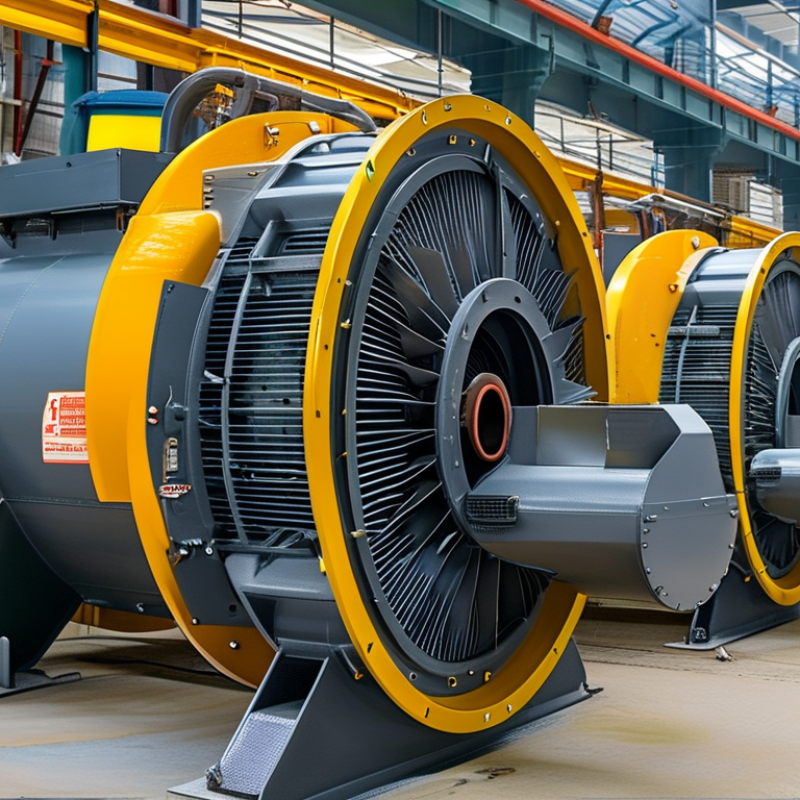
High pressure ring blowers are essential in various industrial applications. These devices generate high air pressure to efficiently move air or gas. Their design consists of a compact and robust casing which houses impellers. These impellers rotate at high speeds, causing air to be drawn in and then expelled at higher pressures. This mechanism allows for effective air circulation and helps in maintaining optimal working conditions in different settings.
In practical use, high pressure ring blowers are commonly found in wastewater treatment plants. They provide the necessary aeration for biological processes. Another notable application is in pneumatic conveying systems. They transport materials over long distances by using compressed air. However, one must consider the potential for noise and vibration issues. These factors can affect workflow and equipment longevity. Regular maintenance and monitoring are crucial in ensuring the blowers operate efficiently.
While they are reliable, there can be variability in performance based on environmental conditions. Understanding these nuances is key for effective application.
Key Advantages of Using High Pressure Ring Blowers in Various Industries
High pressure ring blowers are crucial in various industries, offering distinct advantages. These blowers are compact yet powerful, making them ideal for space-limited applications. They can generate high airflow and pressure, facilitating efficient operations in manufacturing and waste water treatment. According to the American Society of Mechanical Engineers, the efficiency of these blowers can reach up to 85%, which makes them a cost-effective choice.
In the food and beverage sector, high pressure ring blowers are used for packaging and bottling. Their ability to maintain high pressure ensures that products remain fresh. Moreover, in pneumatic conveying, these blowers efficiently transport materials over distances. A study from the Industrial Blower Association highlighted that blowers improve operational efficiency by 30% in certain settings. However, improper maintenance can lead to reduced performance, emphasizing the need for regular checks.
Specialist reports suggest that high pressure ring blowers contribute to energy savings. Reducing energy consumption is critical, as manufacturing can account for up to 20% of energy use in industrial economies. Yet, users sometimes overlook sound dampening, leading to noise challenges. This awareness prompts industries to balance performance and workplace comfort.
Top 10 High Pressure Ring Blower Applications You Need to Know
| Application |
Industry |
Key Advantages |
| Wastewater Treatment |
Environmental |
Efficient aeration and low energy consumption |
| Food Processing |
Food & Beverage |
Hygienic operation and minimal contamination risk |
| Packaging |
Manufacturing |
Increased speed and accuracy in sealing packages |
| Printing |
Graphic Arts |
Enhanced print quality and efficiency |
| Aquaculture |
Agriculture |
Improved oxygenation and fish health |
| Cooling Systems |
HVAC |
Stable operation and effective heat dissipation |
| Mechanical Conveying |
Logistics |
Reliable material handling with minimal damage |
| Vacuum Systems |
Industrial |
Efficient operation and energy savings |
| Dust Collection |
Construction |
Improved air quality and worker safety |
| Pharmaceutical Manufacturing |
Pharmaceuticals |
Precision and compliance with regulatory standards |
Top Industries Utilizing High Pressure Ring Blowers: A Data-Driven Insight
High pressure ring blowers play a crucial role in various industries. They provide efficient air transfer and vacuum generation. The packaging industry is a prime sector using these blowers. They help in conveying materials and handling products at high speeds. In food processing, high pressure ring blowers assist in drying and aerating products, enhancing quality.
In the wastewater treatment industry, these blowers help aerate tanks. The right level of aeration is essential for proper microbial activity. However, maintenance issues can occasionally arise due to dust or moisture accumulation. The plastic and rubber industry also relies on blowers for material handling during production. Nevertheless, inefficiencies may occur if blowers are not correctly sized.
Moreover, in the textile industry, high pressure ring blowers aid in drying fabrics. They ensure a quick turnaround in production. While many industries benefit from these blowers, it’s essential to evaluate their efficiency regularly. Optimizing performance can lead to significant cost savings. Understanding these unique applications can help industries select the right equipment effectively.
Comparative Analysis of High Pressure Ring Blowers vs. Traditional Blowers
High-pressure ring blowers have become popular in various industries due to their efficiency. When comparing high-pressure ring blowers to traditional blowers, several key differences emerge. High-pressure ring blowers are designed to handle higher pressure levels. This characteristic makes them ideal for applications that require strong airflow. Traditional blowers, on the other hand, are generally limited in this regard.
In applications such as pneumatic conveying or vacuum cleaning, high-pressure ring blowers excel. They provide consistent performance with lower energy consumption. Traditional blowers may struggle to maintain the same efficiency and pressure levels. This can result in increased operational costs and inefficiencies. Additionally, high-pressure ring blowers often have a more compact design, allowing for easier integration into existing systems.
Tips for choosing a blower include assessing your application needs carefully. Understand the pressure and airflow requirements before making a decision. Not all tasks require the power of a high-pressure ring blower. For smaller applications, a traditional blower might suffice. However, consider the long-term benefits of investing in a high-pressure solution for demanding tasks. Ensure that you evaluate performance metrics regularly to determine if your chosen blower is meeting your expectations.
Future Trends and Innovations in High Pressure Ring Blower Technology
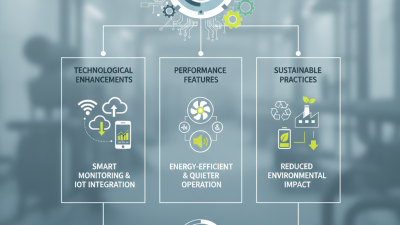
The future of high pressure ring blower technology is promising, with innovations that cater to a variety of industries. The market is expected to grow at a CAGR of 5.2% over the next five years, reflecting an increasing demand for efficient air movement solutions. This growth is driven by advancements in materials and control systems, enhancing the performance and durability of these blowers.
One significant trend is the integration of IoT technologies. With IoT, users can monitor blower performance in real-time. Predictive maintenance becomes possible, reducing downtime. Additionally, energy-efficient designs are gaining traction. According to recent studies, energy savings of up to 30% can be achieved with modern blowers compared to older models. However, the complexity of integrating these systems can pose challenges for some companies.
Moreover, environmental concerns are reshaping product designs. Many manufacturers focus on sustainable practices and materials. This shift indicates a long-term commitment to reduce carbon footprints. Still, there is a lingering question on how quickly industries will adapt to these changes. As the technology evolves, balancing performance and sustainability remains crucial.
Top 10 High Pressure Ring Blower Applications