Why Choose a Waving Surge Aerator for Your Wastewater Treatment Needs?
In the realm of wastewater treatment, the efficiency of aeration technologies plays a critical role in determining the effectiveness of the treatment process. Among the various options available, the Waving Surge Aerator stands out for its unique design and operational advantages. According to a report by the Environmental Protection Agency (EPA), the aeration process accounts for up to 60% of the total energy consumption in wastewater treatment facilities. This marks a significant opportunity for optimization, and the Waving Surge Aerator offers a solution through its innovative features that enhance energy efficiency and improve oxygen transfer rates.
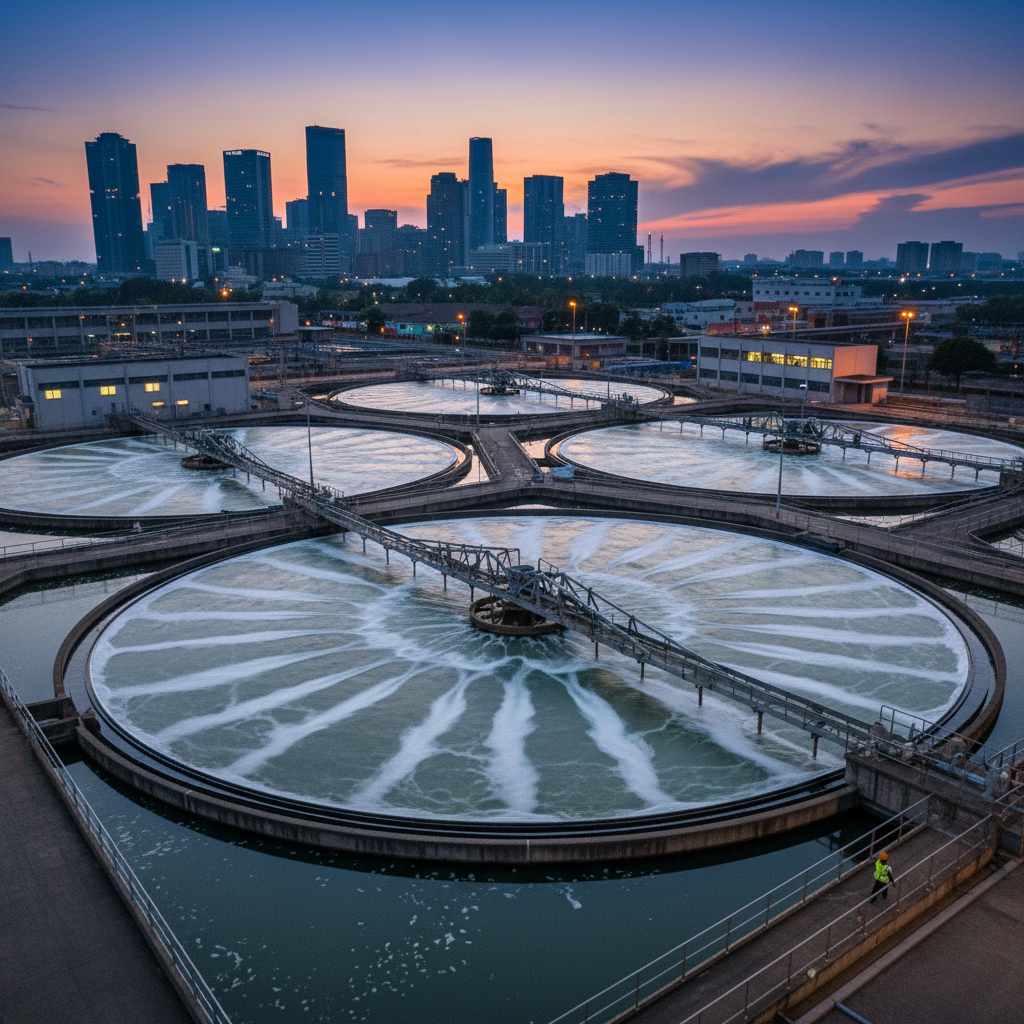
Experts in the field have recognized the potential of this technology, including Dr. John Miller, a leading authority in wastewater management. Dr. Miller has stated, “The Waving Surge Aerator not only reduces energy costs but also enhances the overall treatment performance, making it an ideal choice for modern wastewater facilities.”
As municipalities and industries seek to reduce operational costs while improving compliance with stringent environmental regulations, the adoption of the Waving Surge Aerator presents a compelling case. With a growing body of evidence supporting its effectiveness, it is increasingly clear that choosing this aeration solution can lead to both economic and environmental benefits.
Benefits of Waving Surge Aerators in Wastewater Treatment Processes
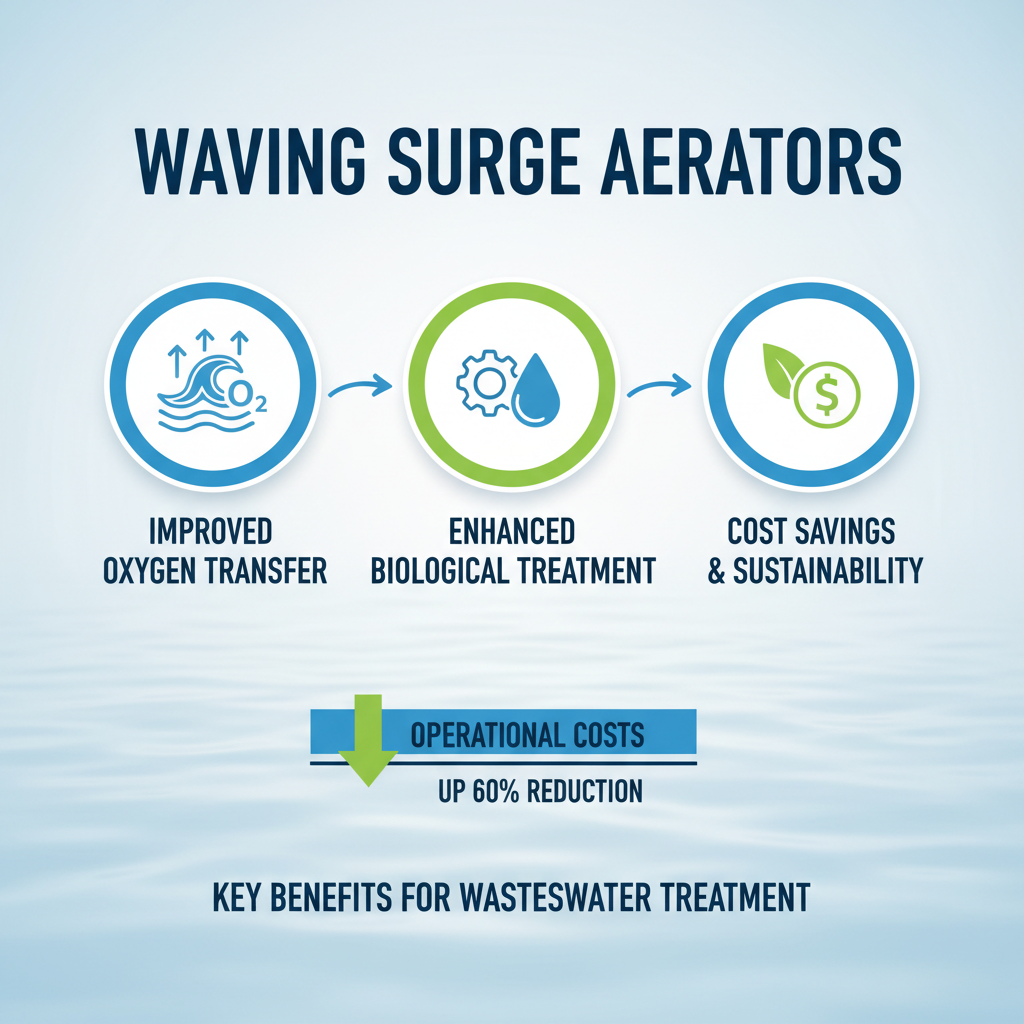
Waving surge aerators have emerged as a vital component in modern wastewater treatment processes, offering a host of benefits that enhance efficiency and environmental sustainability. One of the primary advantages of using these aerators is their ability to improve oxygen transfer rates. According to a report by the Water Environment Federation, efficient oxygenation is essential for aerobic biological processes, which can account for up to 60% of operational costs in wastewater treatment facilities. Waving surge aerators optimize these rates by creating a turbulent flow of water, considerably increasing the interface between air and liquid, thus facilitating better biological treatment.
Moreover, the versatility and adaptability of waving surge aerators contribute to their growing popularity. They can be designed to accommodate varying flow rates, making them suitable for diverse operational conditions. A study by the International Water Association highlighted that facilities integrating surge aerator systems were able to reduce energy consumption by 20% compared to traditional methods. This energy efficiency not only decreases operational expenses but also aligns with global sustainability goals, emphasizing the importance of incorporating innovative technologies in wastewater treatment processes.
Efficiency of Oxygen Transfer Rates in Waving Surge Aerators
When it comes to wastewater treatment, the efficiency of oxygen transfer rates is a critical factor in the overall performance of aeration systems. Waving surge aerators have emerged as a preferred choice due to their ability to optimize oxygen delivery, effectively supporting microbial communities essential for biological treatment processes. According to a study by the Environmental Protection Agency, aerators that utilize a wave action mechanism can increase oxygen transfer efficiency by up to 30% compared to conventional aerators. This is largely attributed to the enhanced mixing and turbulence created by the wave motion, which facilitates greater contact between air and water.
Furthermore, recent industry reports indicate that the application of waving surge aerators can significantly reduce energy consumption. For example, data from the Water Environment Federation suggests that facilities implementing these aerators can achieve energy savings of up to 25% while maintaining high oxygen transfer rates. This efficiency not only helps in meeting regulatory requirements but also contributes to lower operational costs, making waving surge aerators an attractive option for wastewater treatment facilities looking to enhance their performance and sustainability.
Oxygen Transfer Efficiency of Waving Surge Aerators
Cost-Effectiveness of Waving Surge Aerators Compared to Other Systems
When considering wastewater treatment options, cost-effectiveness is a crucial factor, and waving surge aerators stand out in this regard.
Unlike traditional aeration systems, which often require extensive infrastructure and maintenance, waving surge aerators utilize a simpler design that significantly reduces operational costs. The ability to adapt to varying flow rates without compromising efficiency allows these systems to optimize energy usage, leading to lower utility bills and enhanced return on investment for municipalities and industrial applications.
Moreover, the initial investment in waving surge aerators is generally lower than that of conventional systems, thanks to their reduced complexity and smaller footprint. Their design minimizes the need for expensive components, which can often drive up the costs of other aeration technologies. Long-term savings are further realized through lower maintenance needs and reduced downtime, as the durable nature of waving surge aerators means they are less prone to mechanical failures. By choosing a waving surge aerator, businesses and wastewater treatment facilities can achieve significant savings while ensuring robust and effective treatment of wastewater.
Environmental Impact and Sustainability of Using Waving Surge Aerators
Using a Waving Surge Aerator for wastewater treatment not only enhances operational efficiency but also significantly contributes to environmental sustainability. The innovative design of these aerators allows for improved oxygen transfer rates, which is crucial for the aerobic treatment of wastewater. By mimicking the natural processes of wave generation, they reduce energy consumption compared to traditional aeration methods. This efficiency means lower greenhouse gas emissions, making Waving Surge Aerators a greener choice for treating wastewater.
Tips: When selecting a Waving Surge Aerator, consider the specific characteristics of your wastewater. It's essential to assess the composition and flow rates to optimize performance. Regular maintenance checks are also recommended to ensure that the aerator operates within its peak efficiency, which contributes to long-term sustainability goals.
The environmental impact of Waving Surge Aerators extends beyond energy efficiency. They promote healthier ecosystems by effectively controlling nutrient levels and minimizing the release of pollutants into surrounding waters. This system, with its ability to harness the natural movement of waves, aligns with contemporary sustainability practices aimed at reducing the carbon footprint of wastewater facilities. Embracing such technology not only supports local environments but also sets a progressive standard for future wastewater management solutions.
Why Choose a Waving Surge Aerator for Your Wastewater Treatment Needs?
| Dimension |
Description |
Impact/Benefit |
| Aeration Efficiency |
Improved oxygen transfer rates compared to conventional systems. |
Enhances biological breakdown of waste, leading to better treatment outcomes. |
| Energy Consumption |
Lower energy use due to more efficient design. |
Reduces operational costs and carbon footprint. |
| Maintenance |
Fewer moving parts compared to mechanical aerators. |
Minimizes maintenance requirements and down-time. |
| Sustainability |
Utilizes renewable energy sources for operation. |
Supports sustainable wastewater management practices. |
| Scalability |
Flexible design allows for easy scaling up or down. |
Adapts to varying treatment loads effectively. |
Case Studies: Successful Implementations of Waving Surge Aerators in Facilities
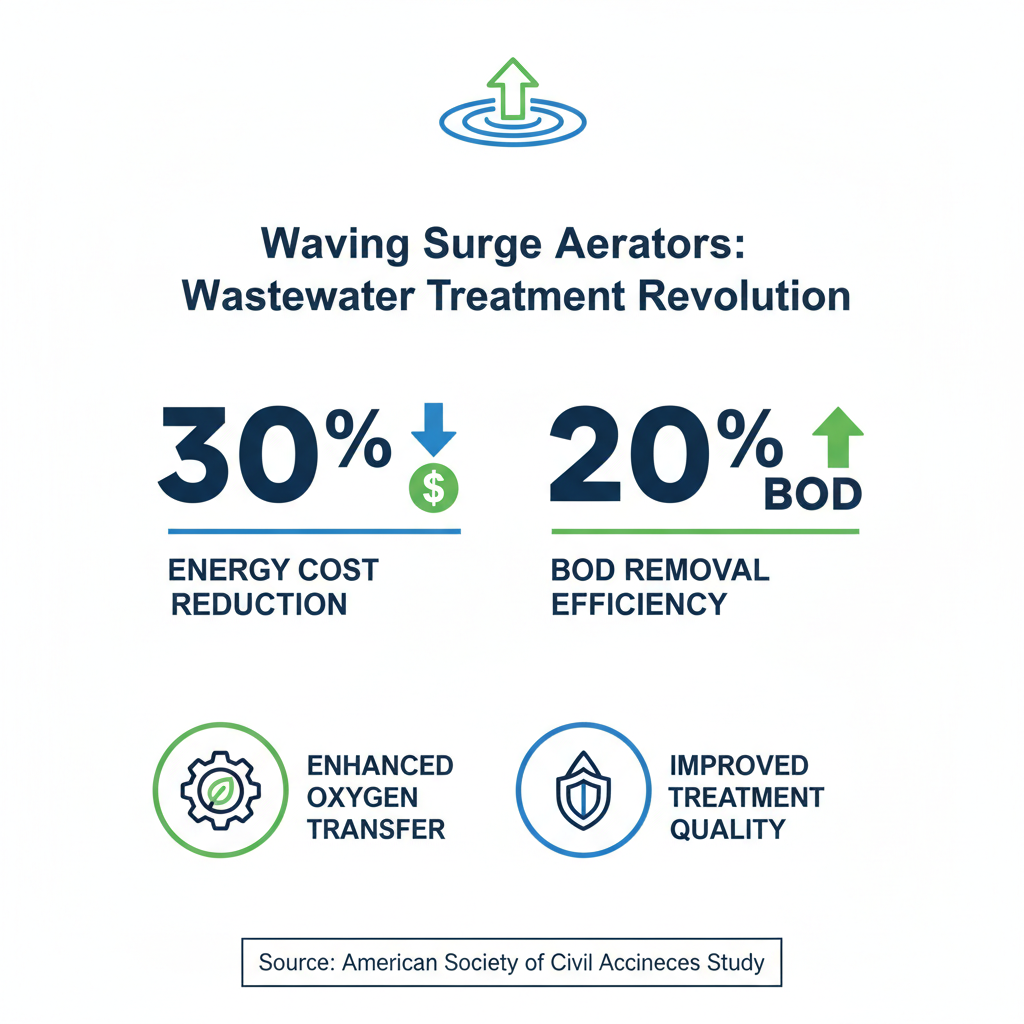
Waving surge aerators have been gaining traction in wastewater treatment facilities due to their efficiency and effectiveness in enhancing oxygen transfer rates. For example, a study by the American Society of Civil Engineers highlighted that facilities implementing these aerators achieved a 30% reduction in energy costs while improving treatment quality. One notable case study involved a municipal wastewater treatment plant that reported a 20% increase in Biochemical Oxygen Demand (BOD) removal efficiency after transitioning to a waving surge aerator system.
Tips: When considering the integration of waving surge aerators, it's important to conduct a thorough assessment of your facility's specific needs. Evaluate your current aeration system's efficiency and explore potential energy savings that can arise from upgrading to newer technologies. Also, engaging with experienced engineers during the design phase can significantly improve the implementation process.
Another successful application was observed in an industrial facility that processes food waste. By incorporating waving surge aerators, they managed to enhance their treatment capacity, leading to a 25% decrease in sludge production. This effective treatment method not only addressed the facility’s environmental compliance needs but also provided a more sustainable approach to wastewater management. Investing in such technologies can yield long-term operational benefits and enhance overall water quality.