
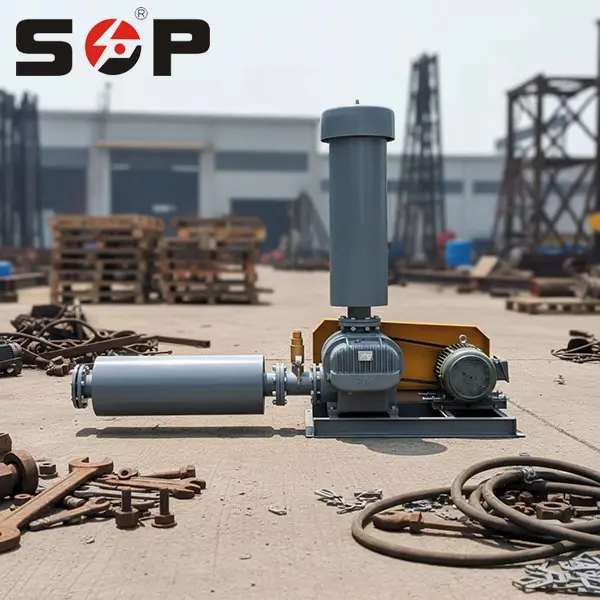
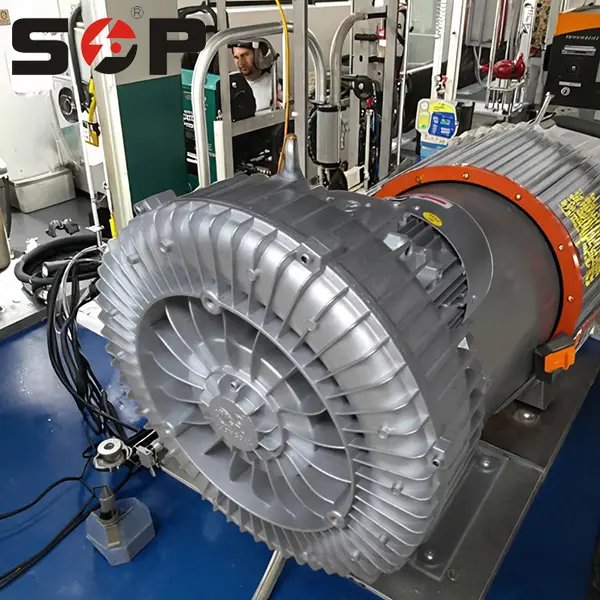
Innovations in Adsorption and Transportation — Unlocking the Potential of Regenerative Blower
Regenerative blowers have really become game-changers in a bunch of industrial setups, especially when it comes to adsorption and transportation stuff. Their knack for producing high-pressure airflow makes them pretty much essential whenever you need reliable and efficient air movement. When industries bring Regenerative Blowers into the mix, they’re often able to run smoother, cut down on energy bills, and get their operations working more effectively.
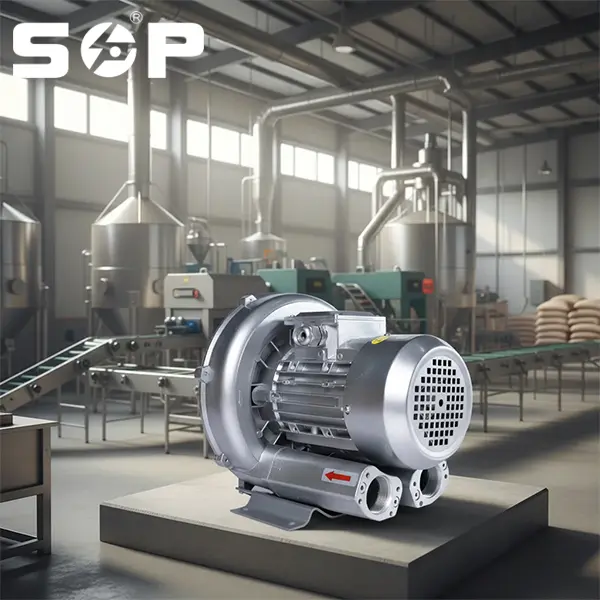
Now, let's talk about adsorption processes. These often depend a lot on getting the air just right — precise control and steady flow. Take activated carbon filtration, for example; regenerative blowers keep the airflow constant and steady, which is key to making sure the carbon can do its job well. This high-pressure airflow helps saturate the media bed properly, stopping issues like channeling and making sure everything’s evenly distributed. Long story short? It keeps the filtration system running longer and better.
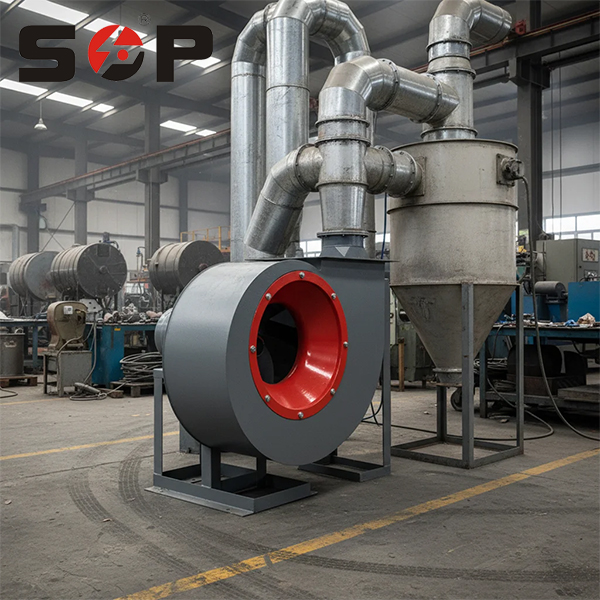
And then there’s pneumatic conveying, which is basically a fancy way of saying transporting bulk materials—like powders, granules, or pellets—using air. These blowers provide the push needed to move stuff through pipes from one place to another. Thanks to their tough design, they can keep going non-stop without breaking down or wearing out quickly, making them perfect for heavy-duty industrial environments. Plus, because they’re so efficient, companies can cut back on downtime and save money on operation costs, all while moving stuff more smoothly.
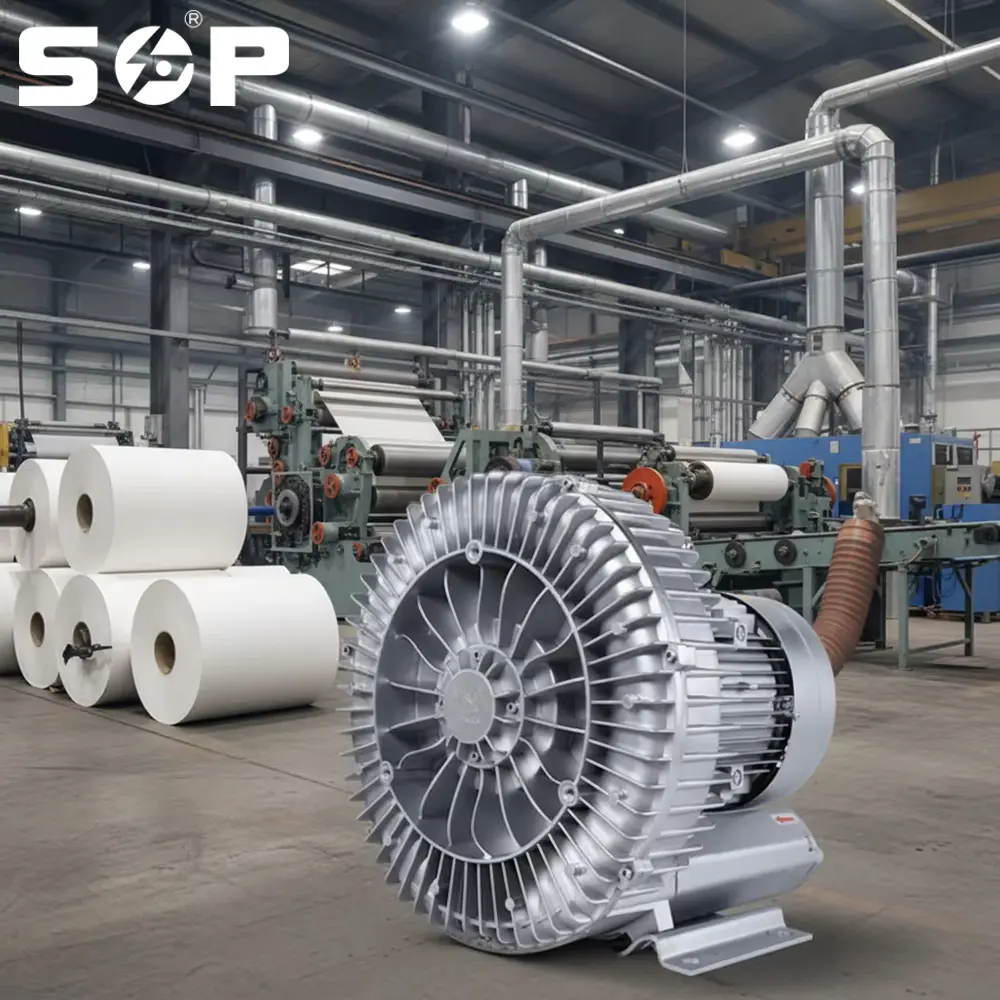
On top of all that, regenerative blowers are pretty eco-friendly compared to other options. They don’t need a ton of power, so they’re a good pick if you’re after a more energy-conscious solution. And since they don’t need much maintenance, they save companies money in the long run — no need for constant repairs or replacements.
All in all, regenerative blowers are really changing the game in adsorption and transportation work. Their high-pressure output and solid reliability make them a top choice across many industries. By tapping into their power, companies can run more efficiently, stay competitive, and keep things running smoothly. It’s pretty clear they’re here to stay, and for good reason!