
What Does A Paddle Wheel Aerator Do?
If you’re involved in aquaculture—whether raising fish, shrimp, or managing a pond—you’ve probably heard about paddle wheel aerators. But what exactly do they do, and why are they so crucial for healthy water ecosystems? Let me break it down from my own experience working with these machines.
1. Oxygenating the Water: The Core Function
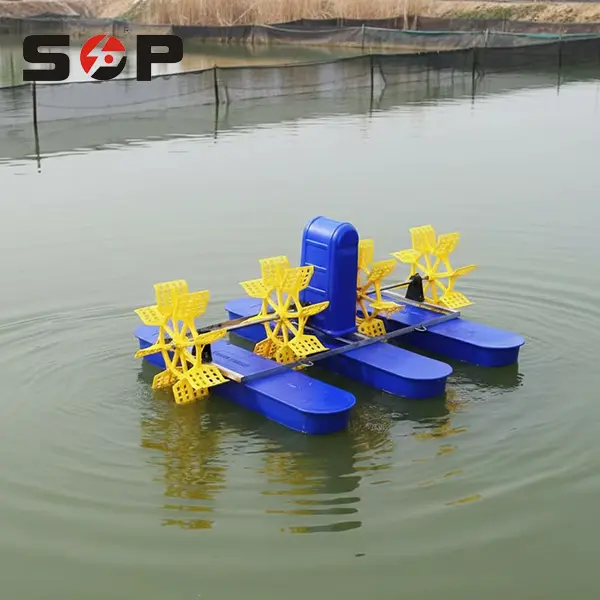
At its heart, a Paddle Wheel Aerator is designed to boost dissolved oxygen levels in water. Here’s how it works: The motor-driven paddlewheel spins, splashing water into the air. This action creates tiny droplets that absorb oxygen from the atmosphere, dissolving it into the water column. Think of it like a waterfall in nature—except controlled and optimized for your pond’s needs.
Low oxygen levels are a silent killer in aquaculture. Fish and shrimp can’t thrive without enough O₂, leading to stress, slower growth, or even mass die-offs. Paddle wheel aerators act as a lifeline, especially during hot summer months when oxygen solubility drops.
2. Improving Water Quality Beyond Oxygen
The benefits don’t stop there. The paddlewheel’s movement generates currents and waves, which serve two critical purposes:
Gas Exchange: Harmful gases like ammonia, carbon dioxide (CO₂), methane, and hydrogen sulfide—byproducts of organic waste—are released into the air. This prevents toxic buildup, which can suffocate aquatic life.
Circulation: Stagnant water is a breeding ground for algae and pathogens. By creating uniform water flow, the aerator ensures temperature and oxygen are evenly distributed, reducing hotspots of low oxygen or high waste concentration.
I’ve seen ponds transform from murky, foul-smelling messes to clear, vibrant systems just by adding a paddle wheel aerator. The difference is night and day.
3. Preventing Fish Floating Head and Dead Zones
Ever noticed fish gasping at the surface? That’s called “floating head,” a distress signal caused by oxygen deprivation. Paddle wheel aerators eliminate this by maintaining steady oxygen levels, even during peak feeding times when organic matter decomposes rapidly.
They also help avoid dead zones—areas where water circulation is poor, leading to anaerobic conditions (no oxygen) and harmful bacteria blooms. By keeping water moving, these aerators create a healthier environment for your stock.
4. Supporting High-Density Aquaculture
For commercial farmers, paddle wheel aerators are game-changers. They enable high-density breeding by providing the oxygen needed to sustain larger populations in smaller spaces. This translates to higher yields and more stable production—a key factor in scaling up operations.
5. Low Maintenance, High Efficiency
One thing I appreciate about paddle wheel aerators is their simplicity. Compared to diffused air systems or windmill aerators, they’re relatively easy to install and maintain. Most models have durable components like alloy gears and sealed reducers to prevent oil leaks, ensuring long service life with minimal downtime.
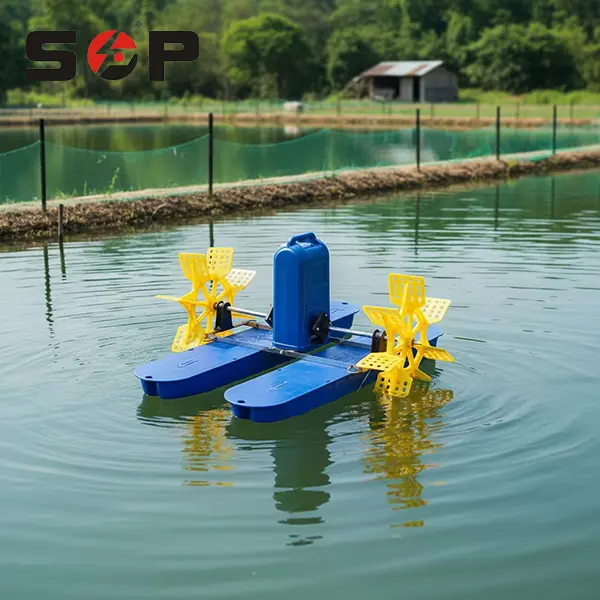
Final Thoughts: A Must-Have for Healthy Ponds
Whether you’re a small-scale farmer or managing a large aquaculture facility, a paddle wheel aerator is an investment in water quality and productivity. It’s not just about adding oxygen—it’s about creating a balanced ecosystem where fish and shrimp can thrive.
If you’re dealing with oxygen issues, foul odors, or stagnant water, give these machines a try. Your pond (and your stock) will thank you.
Have you used a paddle wheel aerator? Share us your experiences!