2026 Top Medium Pressure Fans for Global Buyers Guide?
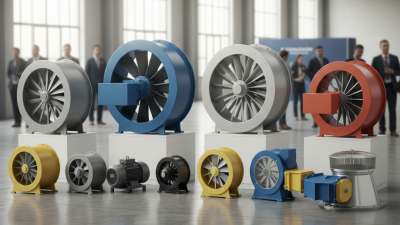
In the evolving landscape of industrial ventilation, the choice of a Medium Pressure Fan can significantly impact operational efficiency. Experts emphasize the importance of selecting the right fan for specific applications. James Thornton, a leading engineer in the ventilation industry, states, "The effectiveness of a Medium Pressure Fan lies in its ability to meet precise airflow requirements."
As global buyers navigate through numerous options, understanding the key features and performance metrics of Medium Pressure Fans becomes crucial. These fans are designed to handle a wide range of tasks—from ventilation in large facilities to enhancing air circulation in various applications. Not all fans are created equal, and that's where confusion often arises.
Buyers must consider factors such as air volume, pressure levels, and energy efficiency. The market is filled with choices that might seem overwhelming. Reflecting on the available options can lead to better decision-making. Investing time in research will pay off. Ultimately, the right Medium Pressure Fan not only improves air quality but also optimizes energy use in any setting.
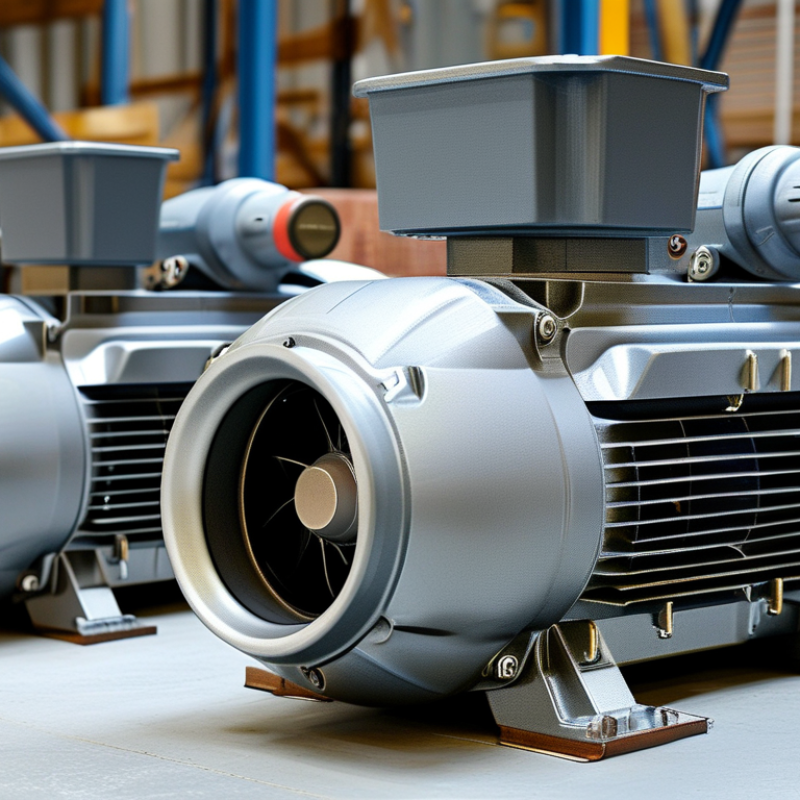
Overview of Medium Pressure Fans and Their Applications
Medium pressure fans play a crucial role in various industries. They operate typically between
0.5 and 10 inches of water gauge. These fans are essential in applications such as HVAC systems,
material handling, and industrial processes. According to industry reports,
the global market for medium pressure fans is projected to grow at a CAGR of 5.2% from 2023 to 2028.
This growth reflects the increasing demand for efficient air management solutions.
In HVAC systems, medium pressure fans help maintain air quality and comfort. They circulate air, ensuring even temperature distribution.
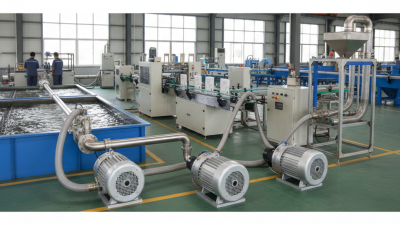
In material handling, these fans manage airflow efficiently in belt conveyors and pneumatic systems.
However, selecting the right fan requires careful consideration of parameters such as
flow rate and static pressure.
Many buyers overlook the importance of these factors, which can lead to inefficiencies and higher operating costs.
In industrial applications, medium pressure fans are often used for drying and cooling processes.
The reliability of these fans directly impacts productivity. Yet, there are challenges in achieving optimal performance.
Issues such as noise and vibration are common.
Addressing these concerns can enhance both efficiency and longevity. Reliable performance is vital, yet many systems still struggle with
maintenance needs. Understanding these elements can lead buyers towards better investment decisions in medium pressure fan technology.
Key Features to Consider When Selecting Medium Pressure Fans
When selecting medium pressure fans, consider specific key features.
Understand the required airflow capacity. This metric plays a crucial role in ensuring efficient performance.
A fan must meet the airflow demands of your specific application.
Examine the fan's blade design and material. Different designs impact efficiency, noise level, and durability.
Pay attention to noise levels. Some applications require quieter operation, while others may not.
Evaluate the fan's energy efficiency and operational costs.
A fan that consumes less energy leads to long-term savings.
Durability is also significant; robust materials can withstand harsh environments.
Reviewing installation and maintenance requirements can save time.
Some fans have complex setups that can increase downtime.
Assess vendors' support for service and replacement parts.
This consideration impacts reliability and performance over time.
A fan that is difficult to maintain may require more frequent replacements.
Lastly, factor in the reputation of the manufacturer.
Gathering reviews can lead to informed decisions.
Top Brands and Manufacturers of Medium Pressure Fans in 2026
In 2026, the market for medium pressure fans is expected to grow significantly. According to recent reports, the demand is driven by industries like HVAC, manufacturing, and aerospace. These sectors require reliable airflow solutions for efficient operations. Top manufacturers are focusing on innovation and energy efficiency, addressing both performance and environmental concerns.
When choosing a medium pressure fan, consider its application. Each type of fan has unique characteristics that cater to specific needs. Industrial facilities might prioritize durability and high airflow, while smaller environments may benefit from quieter operation. Review specifications such as fan diameter and static pressure ratings, which are essential for optimal performance.
Tip: Always evaluate your project requirements before purchasing. Understanding airflow requirements can prevent overspending on features you won’t use. It's crucial to balance cost and quality.
Another important aspect is energy efficiency. Many brands are integrating smart technologies for monitoring and control. This allows for adjustments based on real-time data. An efficient fan can lead to significant energy savings over time.
Tip: Research energy ratings and seek models that offer long-term reliability. Consider potential maintenance costs as part of your decision-making process. Making informed choices can enhance operational efficiency and reduce unforeseen expenses.
2026 Top Medium Pressure Fans for Global Buyers Guide
This chart illustrates the estimated market share of various medium pressure fan types based on their air flow ranges and applications, helping buyers identify emerging trends and preferences in 2026.
Comparative Analysis of Performance Metrics for Leading Models
When selecting medium pressure fans, performance metrics are critical. They determine efficiency, airflow, and noise levels. Analyzing key data points can help you make informed decisions. Common metrics include airflow rate, static pressure, and energy consumption. The airflow rate is essential for understanding how much air the fan can move. It impacts cooling and ventilation effectiveness in various applications.
Static pressure is another vital metric. It measures the fan's ability to overcome resistance in ductwork or filters. Higher static pressure means better performance in challenging environments. Energy consumption reflects operational costs and sustainability. Fans that consume less energy are increasingly essential for eco-conscious buyers.
Comparative performance analysis reveals nuances in design and function. Some models excel in quiet operation while others focus on high efficiency. It's essential to consider your specific needs and environment. Sometimes, a balance between noise and efficiency is necessary. The choice you make impacts long-term satisfaction and performance. Assessing these factors ensures you choose a fan that not only meets your requirements but also adapts to future demands.
Future Trends and Innovations in Medium Pressure Fan Technology
The medium pressure fan market is evolving rapidly. Innovations in technology are paving the way for more efficient and sustainable solutions. A recent industry report indicates that global demand for medium pressure fans is expected to grow at a CAGR of 5.2% over the next five years. This growth is driven by increasing applications in HVAC systems and industrial processes.
New advancements focus on enhanced performance and energy efficiency.
Smart fans with integrated IoT capabilities are becoming popular. These fans allow for real-time monitoring and optimization, which can lead to reduced energy costs and improved operational efficiency. A survey by industry analysts shows that 70% of companies are now looking to invest in smart fan technologies to stay competitive.
However, not all developments have been smooth. Some users report challenges in integrating new technologies with existing systems. There is also a learning curve when it comes to utilizing sophisticated control features. Companies must balance innovation with practicality. The focus should be on ensuring that these technologies meet the demands of diverse applications without compromising reliability.