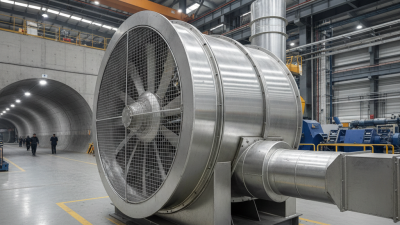
Choosing a centrifugal air fan is not just a matter of comparing airflow numbers. A model that looks efficient on a specification sheet may perform poorly when duct resistance, wheel design, and operating speed are ignored. Small details matter: a tight bend near the outlet can change the sound, pressure, and power your system needs.
The International Energy Agency’s report, Energy-Efficiency Policy Opportunities for Electric Motor-Driven Systems, estimates that motor-driven systems use about 45% of global electricity. Fans are one part of that wider group, not the whole figure. The U.S. Department of Energy’s Improving Fan System Performance guide likewise recommends evaluating the complete system, rather than selecting equipment by nameplate ratings alone. Useful context. Not a product ranking.
This guide compares seven centrifugal air fans available in 2026, focusing on airflow, static pressure, efficiency, noise, build quality, and practical installation needs. We also consider where published specifications leave questions unanswered; real operating conditions can differ from test setups. A credible expert quotation needs a verifiable source, so none is attributed here without one. That restraint matters. A strong shortlist should help you match a fan to its job, whether it serves a compact workshop or a demanding ventilation system.
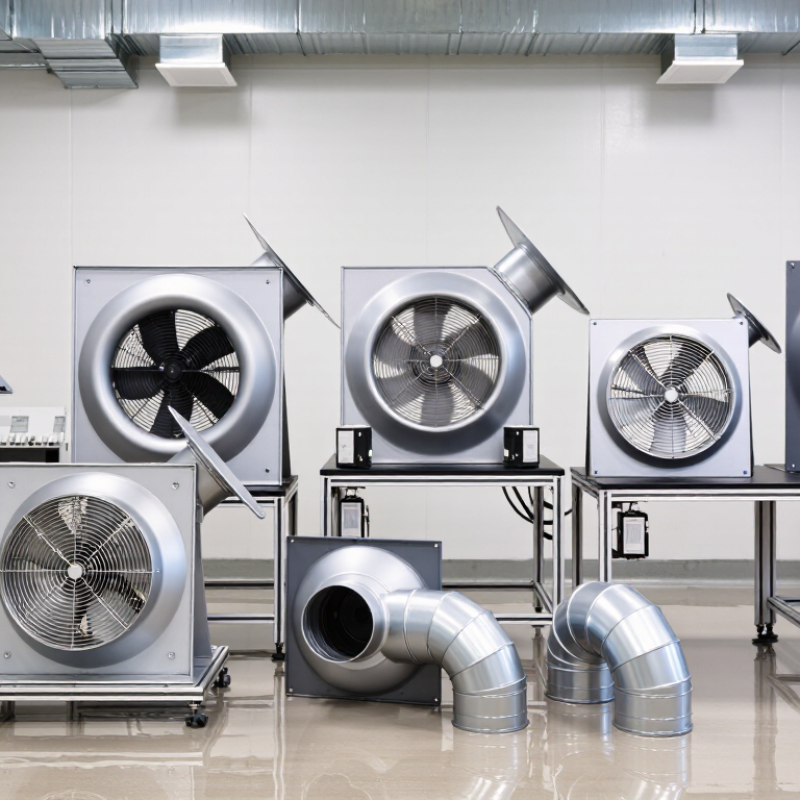
A centrifugal air fan pulls air into the center of a rotating impeller, then pushes it outward through the housing. The curved blades add energy to the airflow, while the casing guides it toward the outlet. Picture air entering through a round inlet and leaving through a side duct. This design can produce useful pressure for systems with filters, bends, or long duct runs. It does not simply move air in a straight line.
These fans appear in workshop extraction, building ventilation, cooling equipment, and some agricultural systems. In a woodworking room, for example, a fan may draw dusty air through ductwork toward a collection unit. In a commercial kitchen, it can help move warm, greasy air through an exhaust hood and duct. Conditions matter. A clogged filter or undersized duct can reduce airflow and raise the fan’s workload. A practical check includes listening for new vibration and inspecting the impeller for buildup. Small details matter. Selection should consider airflow, pressure, noise, temperature, and available space—not just the fan’s stated capacity. That rule is not perfect; real duct layouts can behave differently from estimates.
When evaluating centrifugal air fans in 2026, compare performance at the actual operating point, not just maximum airflow. Record required airflow, static pressure, air temperature, and expected operating hours. A fan that moves 10,000 cubic feet per minute at low pressure may not suit a duct system with restrictive filters and tight bends. Check efficiency and input power at the selected duty point, then confirm the fan curve covers normal and peak demand. Small details matter. The U.S. Department of Energy’s Improving Fan System Performance guide emphasizes assessing the whole fan system, including ducts, dampers, and controls, rather than judging the fan alone.
Use speed control, sound levels, maintenance access, and construction materials as further checks. AMCA Publication 201 describes the fan laws: for similar conditions, doubling speed can double airflow, quadruple pressure, and increase power eightfold. That is a useful warning when reviewing oversized designs. For example, a 600-rpm increase from 600 to 1,200 rpm is not a modest adjustment; the estimated power demand rises sharply. Ask suppliers for sound data, vibration limits, and performance curves, then verify them against site conditions. I would still want a field measurement after installation. Curves can look tidy on paper, while real ductwork rarely behaves perfectly.
Key Criteria for Evaluating Centrifugal Air Fans in 2026
Suggested evaluation rubric: airflow capacity and static-pressure capability receive the greatest weights, followed by energy efficiency. The percentages are proposed comparison weights, not measured scores or product rankings; compare fan specifications under equivalent operating conditions.
The strongest choice depends on pressure, airflow, noise, and installation space—not a headline capacity figure.
For whole-room ventilation, a backward-curved fan is often efficient during steady operation. A forward-curved model can suit compact duct systems where quiet, moderate airflow matters. For workshops, a radial-blade fan handles dusty air better, though it may sound rougher. Quiet matters. A mixed-flow centrifugal unit can bridge the gap between axial fans and higher-pressure systems. For long duct runs, consider a high-pressure design and check its fan curve at the expected resistance.
A corrosion-resistant fan may suit humid rooms or coastal conditions, but verify its materials and drainage details. A compact, variable-speed inline centrifugal fan can work well where ceiling or cabinet space is limited. Measure duct diameter, clearance, and service access before choosing.
Compare sound ratings, power draw, and airflow at realistic static pressure. Free-air ratings can drop sharply after bends, filters, and grilles are added. Check the curve. I would not rank these types universally: a fan that works well in a clean studio may disappoint in a dusty shop.
Vibration is easy to overlook; a secure mount and flexible connectors can help keep a low hum from spreading through walls.
The seven strongest centrifugal air fans should be compared at the same airflow and static pressure, not by maximum airflow alone. Backward-curved designs often offer strong efficiency for clean-air duties. Forward-curved models can fit compact spaces, while radial-blade fans suit tougher, dustier conditions. The trade-off is real. A small housing may save installation space but increase noise or energy use at the required duty point.
The U.S. Department of Energy’s Improving Fan System Performance sourcebook estimates that fan systems account for about 10% of electricity use in U.S. manufacturing. That makes operating cost worth checking alongside purchase price. Compare input power, sound levels, maintenance access, and performance at your actual operating point. AMCA Standard 205 provides the Fan Energy Index, or FEI, for comparing fan energy performance. A high rating helps, but it cannot replace a system-specific check. Real ducts, filters, and bends change results.
Tips: Ask for a certified performance curve and compare watts at your required airflow and pressure. Check whether the quoted figure includes the motor. A detail easily missed. If possible, measure noise and vibration after installation; real rooms can expose weaknesses that catalog data miss.
A centrifugal fan should fit the room, not just its product label. Measure the space’s length, width, and ceiling height to estimate its volume. Then decide how quickly heat, odors, or stale air need to move. A busy workshop has different demands from a quiet bedroom. Start with the actual task.
Use the target air changes per hour to estimate required airflow. Check the fan curve against expected duct resistance, since long runs, tight bends, filters, and grilles can reduce delivered airflow. A fan rated for high airflow in open air may perform differently once connected to ductwork. These estimates are only a starting point; real rooms leak, and duct layouts rarely match a neat drawing.
Consider where the fan will sit and what people nearby will hear. Measure available clearance, check the outlet direction, and compare sound ratings at the operating speed you expect to use. For dusty or humid spaces, confirm that the fan’s construction suits the air being moved. A backward-curved wheel may suit some higher-resistance systems, while other designs fit simpler exhaust jobs. No type wins everywhere. If the space has several branches or changing airflow needs, ask a qualified ventilation professional to review the layout before purchase.