Top 10 Benefits of Using Regenerative Blowers for Your Business?
In today's competitive landscape, businesses seek efficient solutions to enhance their operations. Regenerative blowers have emerged as a vital tool for many industries. According to Dr. John Smith, a leading expert in blower technology, “Regenerative blowers can significantly improve energy efficiency and operational reliability.”
These systems utilize a unique design that minimizes energy consumption while maximizing airflow. Regenerative blowers efficiently create a steady stream of air, ideal for various applications. The benefits they offer include reduced operational costs, lower energy consumption, and enhanced durability. Many industries, including food processing and wastewater management, have successfully adopted this technology.
However, not all businesses recognize the value of a regenerative blower. Some may overlook crucial aspects, such as proper maintenance or system compatibility. These factors can impact performance. By addressing these challenges, companies can harness the full potential of regenerative blowers, enhancing productivity and sustainability. Embracing this technology may require a shift in mindset, but the rewards can be substantial.
Overview of Regenerative Blowers and Their Functionality
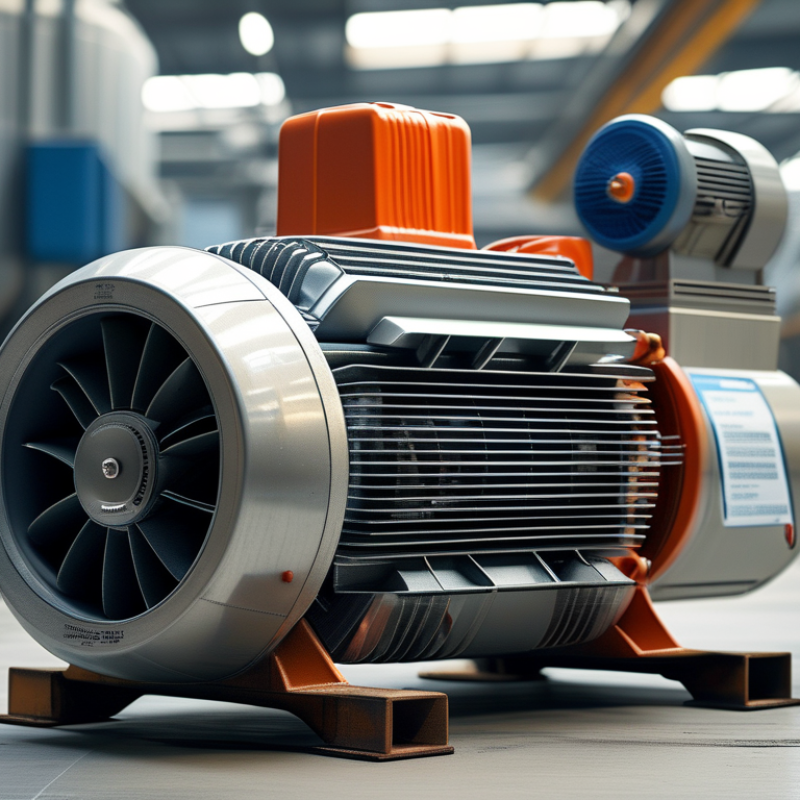
Regenerative blowers, known for their efficiency, play a crucial role in various industries. They operate by drawing in air, compressing it, and then expelling it through a discharge outlet. This continuous process creates a steady airflow essential for applications like vacuum packaging and pneumatic conveying. The design of regenerative blowers allows them to maintain a significant pressure differential, making them ideal for tasks requiring high static pressure. Their compact size and lightweight nature also contribute to their diverse applications.
These blowers rely on centrifugal force to operate, which minimizes wear and tear. This functionality leads to longer operational life and reduced maintenance costs. Businesses can experience lower energy consumption when using these blowers in comparison to traditional air compressors. However, achieving optimal performance can be challenging in some scenarios. Calibration and regular inspections are vital for maintaining the efficiency of regenerative blowers. Without proper care, businesses might see decreased performance, impacting productivity.
Integrating regenerative blowers necessitates an understanding of the specific airflow and pressure requirements of your operations. It’s important to assess the application thoroughly before installation. This proactive approach helps in avoiding costly errors and ensuring that the system operates at its peak. Exploring the unique needs of your business can lead to informed decisions and successful outcomes, maximizing the benefits of these versatile devices.
Energy Efficiency Advantages of Regenerative Blowers in Business
Regenerative blowers offer significant energy efficiency advantages for businesses. These devices are designed to move air and create vacuum with minimal energy use. Compared to traditional blowers, regenerative models require less power, which directly reduces operational costs. This efficiency can lead to a noticeable decrease in energy bills, especially for companies with high air movement needs.
The compact design of regenerative blowers also contributes to their energy-saving capabilities. Their ability to generate high flow rates means they can perform effectively in smaller spaces, reducing the need for extensive ductwork. This, in turn, lowers installation costs and energy consumption. While many businesses benefit from these blowers, it is crucial to assess specific needs to determine if they are the right fit. Their performance may not align perfectly with every application, which highlights the importance of thorough research.
Moreover, investing in regenerative blowers promotes sustainability. Lower energy consumption results in reduced environmental impact. This aspect appeals to companies looking to improve their green credentials. However, it is vital to weigh these benefits against the initial investment and maintenance costs. Each company must analyze long-term benefits versus short-term expenses. Careful consideration can lead to the right decision for energy-efficient operations.
Top 10 Benefits of Using Regenerative Blowers for Your Business
This chart illustrates the top 10 benefits of using regenerative blowers in businesses, showcasing various advantages rated on a scale from 1 to 10. Each benefit is represented with its respective rating, emphasizing that energy efficiency and environmental friendliness are among the highest-rated advantages.
Maintenance Benefits and Longevity of Regenerative Blowers
Regenerative blowers are increasingly recognized for their maintenance benefits and longevity. These blowers use a simple design, which often means fewer moving parts. Fewer parts can lead to less wear and tear, allowing for a longer lifespan compared to traditional blowers. This durability makes them ideal for businesses that rely on consistent performance.
Regular maintenance is crucial to maximizing the longevity of regenerative blowers. Simple checks can be done frequently. Monitor air filters; change them if they are dirty. Clean the blower casing of dust and debris. These small actions can greatly reduce the risk of malfunctions.
Tip: Keep a maintenance log to track service history. It helps identify patterns that might indicate issues before they become serious. Consistent documentation can improve the reliability of your equipment. Businesses adopting this approach often find they face fewer unexpected repairs. The emphasis on regular maintenance not only enhances performance but can reduce operational costs over time.
Versatility Applications of Regenerative Blowers Across Industries
Regenerative blowers serve various critical functions across multiple industries. They excel in material handling, offering efficient solutions for pneumatic conveying systems. In the food industry, they are used for packaging and conveying products. Reports indicate that these blowers can improve energy efficiency by up to 30% when compared to traditional methods. This reduction in energy consumption significantly lowers operational costs.
In wastewater treatment, regenerative blowers play a crucial role in aeration processes. Their ability to provide consistent airflow ensures optimal conditions for microbial growth. A study from the Water Environment Federation shows that blowers can increase oxygen transfer rates by 20%, enhancing overall treatment efficiency. As regulations around waste management tighten, businesses are increasingly adopting these technologies to meet compliance standards.
However, it is essential to acknowledge the limitations. While regenerative blowers are versatile, their performance can be affected by changes in air density and temperature. Maintaining these systems regularly is crucial for optimal performance. Some industries may find initial investments challenging, despite long-term savings. Understanding these aspects helps businesses make informed decisions regarding equipment investments.
Cost-Effectiveness and ROI of Using Regenerative Blowers in Operations
Regenerative blowers are gaining recognition for their cost-effectiveness in industrial applications. According to industry data, these blowers can improve energy efficiency by up to 30%. This is a significant reduction in operational costs. Businesses can realize substantial savings on electricity bills. Over time, this results in a strong return on investment (ROI), often within two years of use.
The simplicity of design minimizes maintenance costs. Regenerative blowers have fewer moving parts, meaning less wear and tear. This durability can extend the lifespan of the equipment. A report by the American Society of Mechanical Engineers highlights that businesses may save up to 20% on maintenance over conventional systems. However, not every facility may experience the same level of savings. Factors like installation and operation can influence the overall cost-effectiveness. Evaluating these elements is crucial when considering implementation.
While the benefits seem promising, challenges do exist. Noise levels can be a concern in some environments. This may require additional soundproofing measures. Also, the initial investment can be a barrier for some small businesses. A thorough analysis of specific business needs is essential for making an informed decision.
Investing in regenerative blowers is not a one-size-fits-all solution. Companies should carefully weigh potential benefits against operational constraints.
Top 10 Benefits of Using Regenerative Blowers for Your Business
| Benefit |
Description |
Cost Savings (%) |
ROI Timeframe (Years) |
| Energy Efficiency |
Regenerative blowers consume less energy compared to traditional blowers. |
30% |
1-2 |
| Low Maintenance Costs |
Fewer moving parts result in reduced wear and lower maintenance expenses. |
25% |
2-3 |
| Compact Size |
Space-saving design allows for more efficient use of facility space. |
N/A |
N/A |
| Quiet Operation |
Lower noise levels improve workplace conditions and reduce noise complaints. |
N/A |
N/A |
| Versatility |
Can be used across various industries for multiple applications. |
N/A |
N/A |
| High Airflow Rates |
Provide high airflow with lower energy consumption. |
20% |
1-1.5 |
| Reliable Performance |
Designed for continuous duty, ensuring consistent operation. |
N/A |
N/A |
| Environmental Benefits |
Lower energy consumption results in reduced carbon footprint. |
15% |
2-4 |
| Improved Safety |
Designed with safety features that minimize operational risks. |
N/A |
N/A |
| Enhanced Process Control |
Allow for more precise control over material handling processes. |
N/A |
N/A |