Best Roots Blower Options for Efficient Industrial Performance?
In the competitive landscape of industrial performance, selecting the right equipment is vital. The Roots Blower stands out as an essential component in various applications. Industry expert John Smith, a leading engineer in aerodynamics, notes, “A well-chosen Roots Blower can make or break the efficiency of your system.”
Roots Blowers are renowned for their reliability and efficiency. They are designed to move large volumes of air or gas with minimal energy consumption. This makes them invaluable in sectors like wastewater treatment, pneumatic conveying, and chemical processing. Yet, not all Roots Blowers are created equal. Some models may lack durability or precision, leading to higher operational costs.
Choosing the best Roots Blower requires understanding specific needs. Considerations should include pressure, flow rates, and maintenance demands. Engaging with experienced professionals can provide insights. Selecting the right model doesn't just enhance performance; it also impacts long-term profitability. Ultimately, investing time in research will lead to better decision-making in this critical area.
Understanding Roots Blowers: Principles and Applications
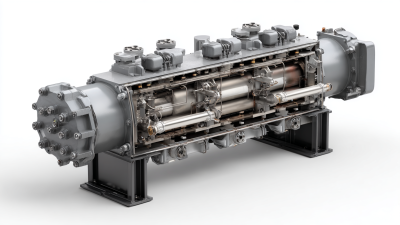
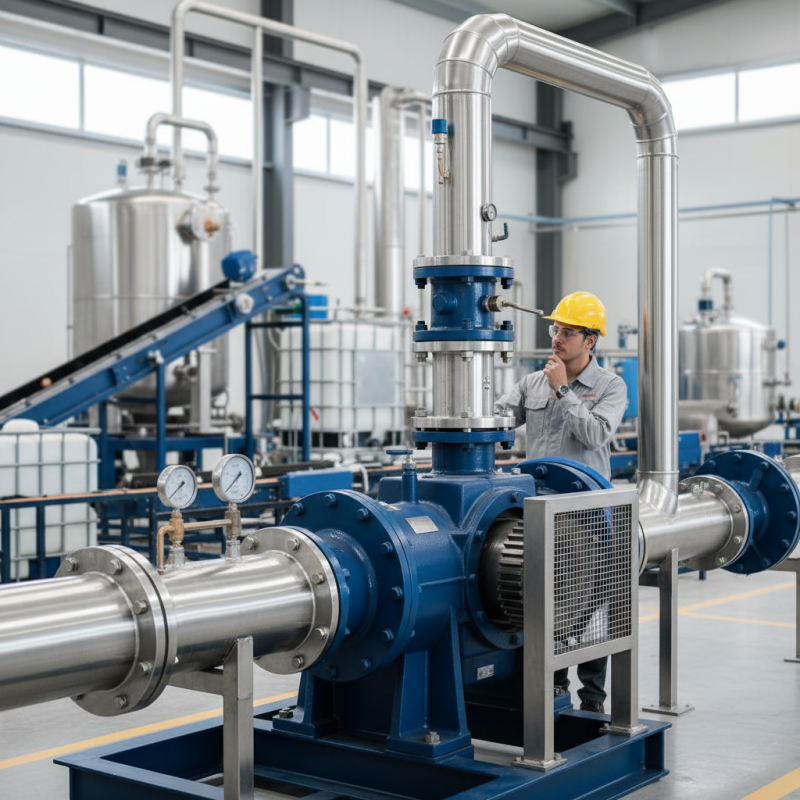
Roots blowers are essential in various industrial applications, offering reliable performance in moving air or gas. They operate on a unique principle, utilizing two counter-rotating lobes. These lobes create a vacuum, drawing air in from one side and pushing it out the other. This simple yet effective mechanism ensures a steady flow of gas, making it suitable for processes like pneumatic conveying and wastewater treatment.
The versatility of roots blowers is significant. They can handle different types of gases, including those containing moisture. This capability makes them valuable in industries such as food processing and chemical manufacturing. However, users must consider the specific requirements of their application, including pressure and flow rate. Properly sizing a roots blower is crucial. An oversized unit may lead to inefficiencies, while an undersized one can cause operational challenges.
Despite their benefits, roots blowers require regular maintenance. Users should check for wear in the lobes and monitor sealing components. Neglecting maintenance could lead to decreased performance or premature failure. The learning curve for effectively using roots blowers can be steep. Understanding the operating conditions and maintaining optimal performance levels takes time.
Best Roots Blower Options for Efficient Industrial Performance
| Blower Type |
Flow Rate (CFM) |
Pressure Range (psi) |
Power Rating (HP) |
Application |
| Positive Displacement Blower |
100 - 1200 |
0 - 10 |
3 - 50 |
Aeration Systems |
| Tri-Lobe Blower |
800 - 1800 |
0 - 15 |
5 - 75 |
Wastewater Treatment |
| Twin Lobe Blower |
200 - 1000 |
0 - 12 |
2 - 40 |
Pneumatic Conveying |
| Oil-Free Blower |
150 - 1500 |
0 - 20 |
5 - 60 |
Industrial Vacuum |
| High-Efficiency Blower |
500 - 2000 |
0 - 25 |
10 - 100 |
Process Gas Handling |
Key Factors Influencing Efficient Roots Blower Selection
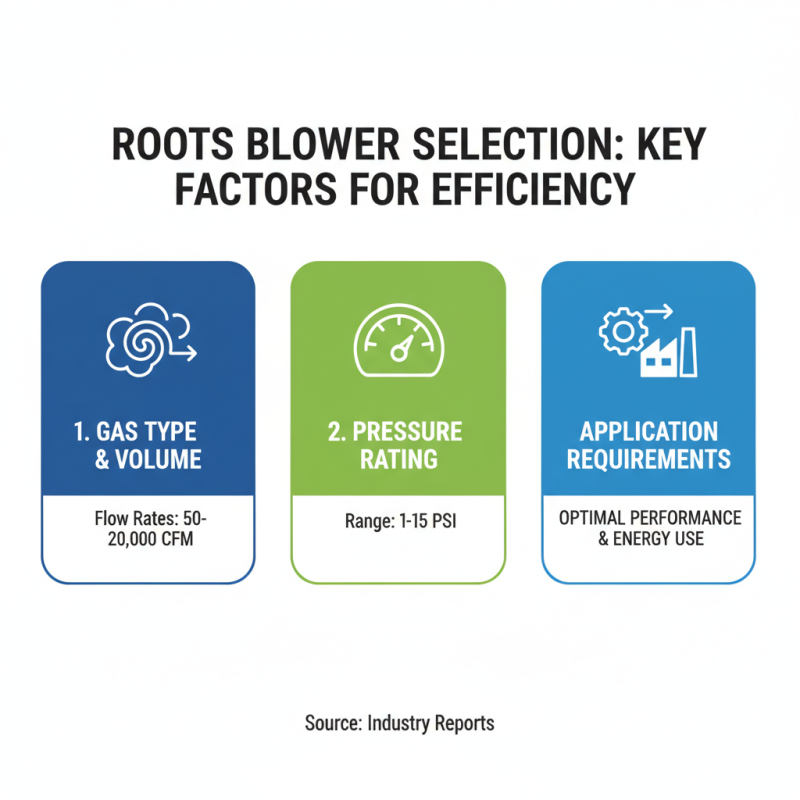
When selecting a Roots blower, efficiency often hinges on several key factors. One crucial aspect is the type and volume of gas to be handled. According to industry reports, optimal flow rates can range from 50 to 20,000 CFM. Understanding specific application requirements can help narrow down choices. Furthermore, the pressure rating is essential. Typically, these blowers operate between 1 and 15 psi, impacting performance and energy consumption.
System design also plays a significant role. The layout of piping and inlet configurations can affect overall efficiency. A well-designed system can enhance airflow and minimize pressure drop. Additionally, the materials used in construction should align with the gas being processed. Chemical resistance and temperature tolerance are vital determinants. A mismatch can lead to premature failures and inefficiencies, which are costly.
Routine maintenance cannot be overlooked. Regular inspections and timely repairs can extend the lifespan of the blower. In fact, studies suggest that well-maintained systems can operate up to 20% more efficiently than neglected ones. Efficient operation directly correlates with energy savings, making regular upkeep critical. Addressing these aspects ensures selecting the best Roots blower for efficient industrial performance.
Top Brands and Models of Roots Blowers for Industrial Use
Roots blowers play a critical role in various industrial applications, such as wastewater treatment and pneumatic conveying.
An efficient blower enhances system performance. Key factors include airflow, pressure range, and durability.
According to a 2022 industry report, the global roots blower market is expected to reach $3.2 billion by 2027, growing at a CAGR of 4.5%.
Several brands lead the market with well-regarded models. These blowers are designed for high efficiency and low maintenance.
Many industrial users report a significant drop in operational costs when switching to newer, more efficient designs.
A study highlighted that upgrading to advanced roots blower technology can result in energy savings of up to 30%.
Tip: Regular maintenance ensures optimal performance. Check for wear and tear every few months. Another consideration is the potential for noise.
Some models operate much quieter than others. Hybrid solutions can also help mitigate sound. More work is needed to continuously innovate in this sector,
as varying operational needs can make selection challenging. Balancing costs and performance is critical.
Maintenance Best Practices for Optimal Roots Blower Performance
Proper maintenance of Roots blowers is critical for ensuring optimal performance in industrial applications. Regular service can extend the lifespan of blowers and reduce operational costs. According to a 2022 industry report by the International Society of Automation, well-maintained blowers can improve efficiency by up to 20%. This translates into significant energy savings and reduced downtime.
One effective maintenance practice is routine inspection of seals and filters. Worn seals can lead to inefficient operation and increased wear on components. Replace filters as recommended to prevent particulate build-up, which also impacts performance.
Tip: Keep a log of maintenance activities. This will help in scheduling future inspections and identifying patterns in wear or malfunction.
Another essential practice involves monitoring temperature and vibration levels. Abnormal readings can indicate potential issues. Addressing these early on can prevent costly failures.
Tip: Utilize thermographic cameras for non-invasive temperature monitoring. This technology provides valuable insights without disrupting operations.
Implementing these practices can lead to improved reliability and efficiency in Roots blower systems. Consistent attention to maintenance is not just about fixing issues; it’s about enhancing overall system performance.
Comparative Analysis: Roots Blowers Versus Other Air Moving Equipment
Roots blowers are often favored in industrial settings for their ability to transport air efficiently. They operate by moving air through two counter-rotating lobes, a design that contributes to their reliability. According to a recent industry report, Roots blowers can achieve efficiencies ranging from 60% to 80%. This efficiency is higher than many traditional air-moving solutions, making them a popular choice in various applications.
When comparing Roots blowers to other air-moving equipment, several factors come into play. For instance, centrifugal fans often require high speed and offer lower pressure capabilities. In fact, a study highlighted that while centrifugal fans can reach high flow rates, they struggle with providing the same pressure as Roots blowers at similar energy levels. The different flow characteristics also mean that Roots blowers excel in applications demanding stable and continuous pressure, especially in wastewater treatment and pneumatic conveying systems.
However, the selection of air-moving equipment must consider specific needs. Roots blowers can be more costly in their initial purchase and maintenance. Their noise level can also be a concern in sensitive environments. A recent market analysis noted that while Roots blowers might offer superior performance in certain scenarios, their operational costs might not justify the investment for smaller applications. This dilemma requires careful evaluation of performance vs. budget.
Best Roots Blower Options for Efficient Industrial Performance
This chart compares the airflow capacity (in cubic feet per minute - CFM) of different blower types including Roots blowers and other air-moving equipment. The data demonstrates how various blowers stack up against each other in terms of their performance capabilities.