How to Choose the Best Side Channel Air Blower for Your Needs?
Choosing the best Side Channel Air Blower can significantly impact operational efficiency. John Smith, a renowned expert in industrial ventilation, once stated, “Selecting the right blower makes all the difference in performance.” His insight highlights the importance of understanding your specific needs.
Before making a decision, consider factors such as airflow requirements, operating environment, and energy efficiency. Not all Side Channel Air Blowers are created equal. Some may excel in specific applications, while others fall short. It's essential to evaluate your unique situation rather than relying solely on general recommendations.
Consulting industry experts or conducting thorough research can provide valuable guidance. Overlooking key specifications or assuming one model fits all can lead to miscalculations. Take time to assess your options carefully. The right choice will enhance productivity and reliability in your operations.
Understanding Side Channel Air Blowers and Their Applications
Side channel air blowers are versatile machines. They are used in various industries for different applications. Understanding their functionality helps in making informed choices. These blowers create a steady airflow with minimal pulsation. They are ideal for vacuuming, conveying, and cooling processes. Many sectors, from food processing to packaging, rely on these devices.
When selecting a side channel air blower, consider your specific requirements. The size of the blower should match the application’s demands. For instance, low-pressure applications may need a smaller unit. In contrast, high-pressure jobs require larger blowers. Pay attention to the airflow rate and noise level as well. Some units can operate silently, which is crucial in certain environments.
You may encounter challenges while choosing the right model. It can be overwhelming given the variety available. Some models may not perform as expected. It's vital to research and understand the specifications. Customers often overlook maintenance needs. Regular checks ensure optimal performance. Failing to do so may lead to reduced efficiency. The longer the blower runs, the more critical these considerations become.
Choosing the Best Side Channel Air Blower: Performance Comparison
Key Factors to Consider When Choosing a Side Channel Air Blower
Selecting the right side channel air blower involves several key factors. First, consider the application requirements. Different industries demand specific airflow rates and pressure levels. For example, food processing often requires clean and sterile conditions. According to industry data, an optimal airflow rate of around 300 to 400 m³/h is common in this field. However, for packaging, a higher pressure might be essential, pushing the requirements up to 2,000 Pa or more.
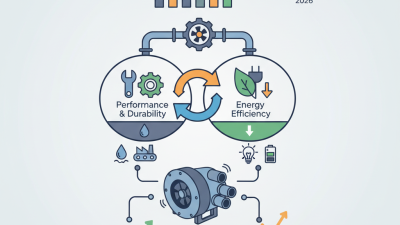
Another critical aspect is the energy efficiency of the blower. Research indicates that side channel blowers can vary widely in their power consumption. Some operate at efficiencies as low as 40%, while others boast more efficient designs that reach up to 70%. This efficiency not only affects the operational costs but also influences the overall environmental impact. Choosing a blower that balances performance with energy use can lead to significant cost savings over time.
Maintenance and durability should also weigh heavily in the decision-making process. Blowers with advanced sealing technologies may require less frequent servicing. Industry reports show that regular maintenance can reduce breakdowns by up to 30%. However, some users overlook this, resulting in unexpected downtime. Buying a blower with a clear maintenance protocol may mitigate these risks. Always consider how each factor aligns with your specific needs and operational context.
Comparing Different Types of Side Channel Air Blowers
When comparing different types of side channel air blowers, it's essential to understand their specific applications. Side channel blowers are often used in industries like wastewater treatment and packaging. According to a recent report, the global market for these devices is expected to grow by over 5% annually. This indicates a rising demand for efficient air movement solutions.
Rotary side channel blowers are popular for their high efficiency and low noise levels. They are particularly effective in applications requiring continuous airflow. On the other hand, regenerative blowers offer a compact design and are ideal for smaller spaces. Each type has its strengths and weaknesses. Choosing the wrong type can affect operational efficiency.
Consider your specific needs. What airflow rates and pressure levels are required? Is noise a concern? Consulting with experts can help clarify these parameters. Additionally, maintaining these blowers often poses a challenge. Routine check-ups are essential for optimal performance, despite occasional misalignments in expectations. Understanding these factors will aid in selecting the right model for your application.
Maintenance Tips for Prolonging the Life of Your Air Blower
Proper maintenance of your side channel air blower is crucial for ensuring its longevity and efficiency.
Regularly inspect the blower for any signs of wear and tear. Schedule routine cleanings to remove debris that can cause blockages.
Keep an eye on the motor temperature; overheating can lead to failure.
Check the bearings and seals frequently. If you notice any abnormal noises, it might indicate a problem.
Lubricate moving parts as needed to avoid friction-related damage. A well-lubricated blower operates more smoothly and quietly.
Lastly, ensure proper airflow at all times. Blocked or restricted paths can significantly reduce performance.
Your blower should not only meet your immediate needs but also serve you well in the future.
Reflecting on potential improvements in your maintenance routine can lead to better results over time.
Evaluating Cost vs. Performance in Side Channel Air Blowers
When evaluating side channel air blowers, the balance between cost and performance is crucial. Many buyers prioritize low prices but may overlook essential features. A cheaper model might save money upfront but can lead to higher maintenance costs later. The key is to consider long-term efficiency as part of the total cost of ownership.
Performance factors are equally important. Airflow capacity, pressure generation, and noise levels should match your specific application needs. For example, in a manufacturing environment, a blower with higher airflow could enhance productivity. Look beyond the initial price tag and analyze how well a unit performs under your operational demands. Sometimes, spending a bit more initially leads to significant savings in the long run.
It’s also worth noting that not all specifications are straightforward. Some brands provide misleading figures, leading buyers to make poor decisions. Testing a blower in real-world conditions can highlight discrepancies in advertised performance. Always seek insights from industry forums or experienced professionals to evaluate which models truly deliver on their promises.