2026 How to Choose the Best Side Channel Air Blower?
When selecting the right Side Channel Air Blower, expertise is key. James Thompson, a leading expert in industrial air systems, states, "Choosing the correct blower is crucial for optimal efficiency." His insights underline the importance of understanding the specific needs of your application.
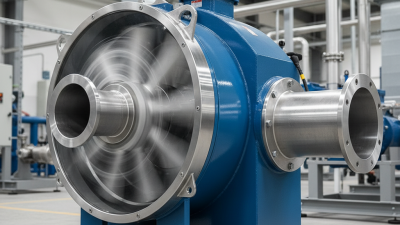
Side Channel Air Blowers are widely used across various industries for their unique capabilities. These blowers operate through a series of rotating vanes, generating high pressure and volume. They suit applications including vacuum systems and pneumatic conveying. However, not all blowers are created equal. Factors like size, power requirements, and noise levels can impact performance and suitability.
It's essential to reflect on your operational requirements. A high-performance blower may not always be the best fit. Sometimes, cost-effective options deliver sufficient power. Conducting thorough research can prevent costly mistakes. There’s no one-size-fits-all solution in the world of Side Channel Air Blowers. Thoughtful evaluation is critical.
Understanding Side Channel Air Blowers: An Overview of Functionality
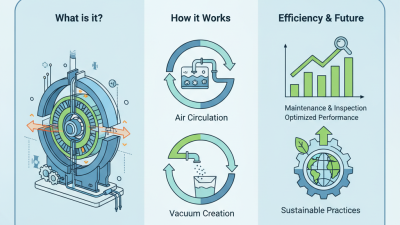
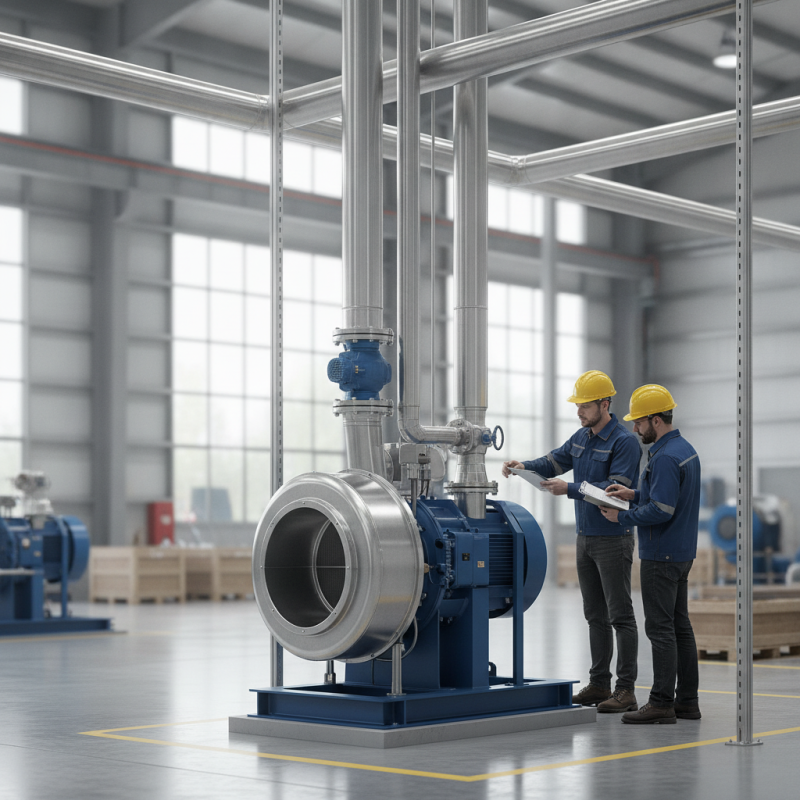
Side channel air blowers play a pivotal role in various industrial applications. They utilize a unique mechanism that allows for high efficiency and reliability. This type of blower generates a consistent airflow by trapping and compressing air using a specialized impeller. Reports show that these blowers can achieve efficiency rates of over 70% in optimal conditions. This efficiency translates to significant energy savings for companies relying on continuous operation.
Understanding the parameters that influence performance is essential. Factors such as inlet pressure, temperature, and application conditions affect the blower's output. A study by the Association of Industrial Equipment Manufacturers indicates that up to 30% of energy loss can occur if blowers are not correctly sized. Users should consider these metrics when selecting equipment. It's important to reflect on the long-term implications of poor choices, as inadequate systems can lead to higher operational costs and increased maintenance challenges.
Precision in installation and operation is critical for optimal performance. Misalignment or incorrect settings can hinder efficiency, even in high-quality units. Some users report dissatisfaction when their blowers experience unexpected noise or vibration. This variability should prompt consideration for regular maintenance checks and adjustments. Balancing performance with operational demands can be challenging, making expert consultation beneficial for achieving the best results.
2026 Side Channel Air Blower Performance Comparison
Key Factors to Consider When Selecting a Side Channel Air Blower
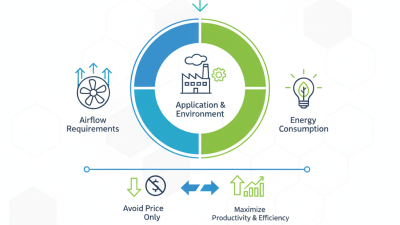
Choosing the right side channel air blower is crucial for many applications. It's essential to consider noise levels, efficiency, and the intended use. Noise levels can vary significantly. Some blowers operate quietly, making them suitable for sensitive environments, while others are louder but more powerful.
Efficiency is another key factor. A blower that operates efficiently can save energy and reduce operating costs. Look for models with high airflow rates and low power consumption. It's beneficial to assess how the blower fits specific tasks, such as material handling or dust extraction.
Also, consider the reliability and maintenance needs of the blower. Some models require frequent servicing, which can interrupt operations. It's wise to select a blower known for its durability and low maintenance demands. Evaluating these factors helps ensure you choose a blower that meets your operational needs while also being cost-effective. Balancing between initial cost and long-term value is vital in decision-making.
2026 How to Choose the Best Side Channel Air Blower? - Key Factors to Consider When Selecting a Side Channel Air Blower
| Factor |
Description |
Importance Level |
| Airflow Capacity |
Determines the volume of air that the blower can move, typically measured in cubic meters per hour (m³/h). |
High |
| Pressure Range |
The ability of the blower to generate pressure, affecting its efficiency in various applications. |
High |
| Efficiency |
How well the blower converts energy into airflow; higher efficiency means lower operational costs. |
Medium |
| Noise Level |
Measured in decibels (dB), important for applications in noise-sensitive environments. |
Medium |
| Size and Weight |
Physical dimensions that influence installation and mobility of the blower. |
Low |
| Maintenance Requirements |
Frequency and complexity of required maintenance tasks to ensure optimal performance. |
High |
| Temperature Range |
The operational temperature range of the blower, affecting its applicability in various environments. |
Medium |
Comparing Different Types of Side Channel Air Blowers in the Market
When selecting a side channel air blower, understanding the various types available is crucial. These blowers are often classified into
rotary and piston designs.
Rotary blowers are known for their efficiency and are ideal for continuous operations. They can handle certain volumes of air
while maintaining stable pressure levels, which is essential for many industrial processes.
On the other hand, piston blowers offer greater pressure capabilities. They are suitable for applications that require high pressure
and specific flow rates. However, they can be less efficient than rotary models. Each type has distinct advantages and disadvantages—efficiency versus pressure output.
It's vital to analyze your specific needs and operational conditions before making a choice.
In practical use, consider noise levels and maintenance needs. Some blowers
might generate higher noise levels, which could be problematic in sensitive environments. Maintenance is another critical factor. Rotary blowers generally require less
frequent service, while piston blowers might need regular checks. Balancing these elements will lead to a more informed decision, ensuring that the selected
blower meets both operational requirements and budget constraints.
Maintenance Tips for Optimal Performance of Side Channel Air Blowers
Side channel air blowers are essential for various industrial applications. To ensure they operate efficiently, proper maintenance is crucial. Regular checks can prevent costly downtimes.
One of the key tips for maintenance is to monitor the air filters. Clogged filters can restrict airflow and reduce performance. Cleaning or replacing them promptly can improve efficiency. Also, checking seal integrity helps maintain optimal pressure levels. Even minor leaks can lead to significant energy losses.
Ensure that the blower is lubricated according to the manufacturer’s instructions. Proper lubrication reduces friction and wear. Operating without adequate lubrication may result in severe damage. Regular inspection of electrical connections is also vital. Loose or corroded connections can cause unexpected failures.
Common Applications and Industries Utilizing Side Channel Air Blowers
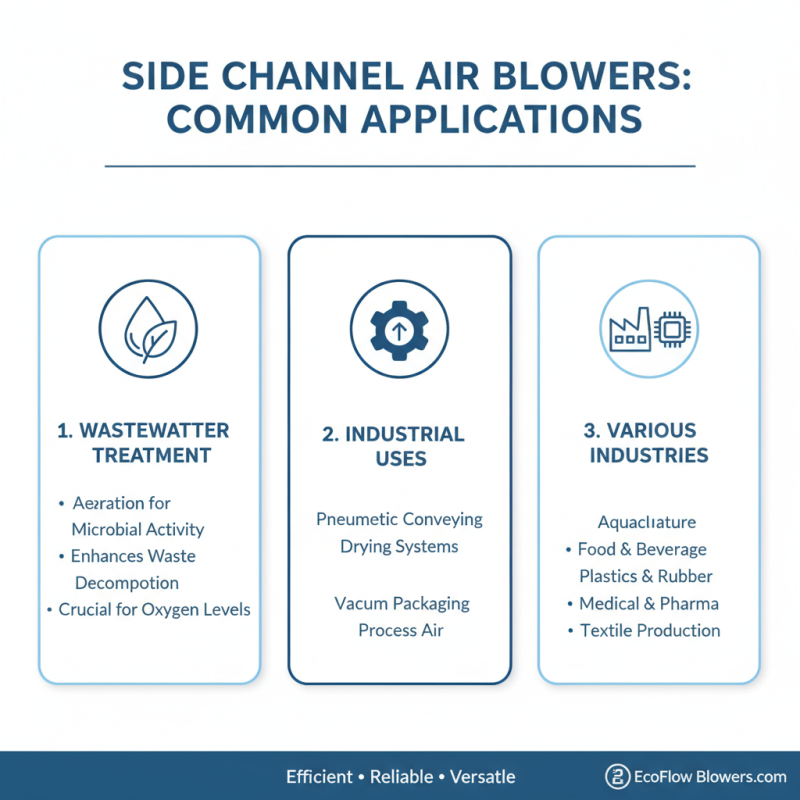
Side channel air blowers find their place in various industries. They are widely used in wastewater treatment facilities. Here, they aid in aeration processes. Adequate oxygen levels are crucial for microbial activity. The efficiency of these blowers leads to effective waste decomposition.
Food processing is another key sector. In this industry, maintaining cleanliness is vital. Side channel air blowers facilitate the removal of fine particles and airborne contaminants. This ensures a safe working environment. Their ability to operate quietly also helps in noise-sensitive applications.
In the realm of packaging and printing, these blowers are essential. They provide the necessary airflow for drying inks and adhesives. Without this support, production rates could plummet. However, users often overlook maintenance. Neglect can lead to decreased performance. Regular checks can ensure longevity and efficiency.