How to Choose the Best Paddle Wheel Aerator for Your Farm?
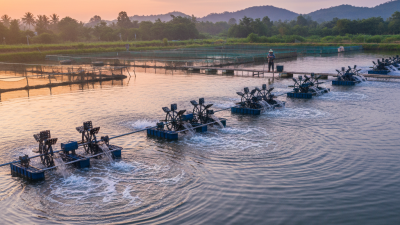
A pond may look still at dawn, yet fish can face low oxygen before the water shows any obvious warning. A Paddle Wheel Aerator moves water and encourages oxygen transfer, but the right model depends on more than pond size. Stocking density, water depth, temperature, and daily operating hours all shape the choice. Small details matter. A unit that suits one pond may perform poorly in another.
When comparing options, check motor power, paddle design, float stability, frame materials, and the manufacturer’s rated performance. Match those specifications to your farm’s conditions, and ask how the rating was measured. Numbers help, but they do not replace a site assessment. Consider access for cleaning, spare-part availability, electrical requirements, and the unit’s expected energy use. These factors affect both routine operation and long-term cost. If possible, speak with an experienced aquaculture supplier who can review your pond layout and stocking plan. Follow the manufacturer’s installation and maintenance guidance, and have a qualified person assess electrical connections. No aerator can guarantee healthy water on its own. Regular checks of dissolved oxygen, especially before sunrise, can reveal whether the setup is working as intended. I have seen equipment choices look sensible on paper and still need adjustment after installation. That is worth admitting. This guide explains how to compare practical features and choose a Paddle Wheel Aerator that fits your farm, rather than simply buying the largest or cheapest unit.

Assess Your Farm’s Pond Size, Depth, and Aquaculture Needs
How to Choose the Best Paddle Wheel Aerator for Your Farm?
Assess Your Farm’s Pond Size, Depth, and Aquaculture Needs
Start with pond area, average depth, and the number and size of animals you raise. A large pond may need more than one aerator to move water evenly. Shape matters, too: corners and narrow sections can become poorly circulated pockets. Paddle wheels generally work well in shallow ponds, but deeper water may need additional circulation planning. Depth matters. Do not choose by horsepower alone; stocking density, feeding rate, warm weather, and decaying plant matter all affect oxygen demand.
Tips: Measure dissolved oxygen near dawn, when levels are often lowest. Check several pond locations, not just beside the aerator. Record readings during hot spells and after changes in feeding or stocking. These notes give you a more useful sizing guide than a guess.
Match placement and capacity to the pond’s actual needs. Aim the flow to create a broad circulation path without pushing fish into a tight corner. In deeper ponds, confirm that the surface movement also supports adequate oxygen throughout the water column; a paddle wheel does not automatically solve every low-oxygen zone. Monitor fish behavior and oxygen readings after installation, then adjust placement or operating time if needed. There is no perfect calculation from pond size alone, and that is easy to overlook. A local aquaculture specialist can help assess unusual depths, heavy stocking, or recurring oxygen drops.
How to Choose the Best Paddle Wheel Aerator for Your Farm
Assess your pond’s surface area, average depth, and aquaculture needs.
How to read this chart: Water volume is calculated as surface area × average depth. For example, a 0.5-hectare pond with an average depth of 1.5 metres holds about 7,500 cubic metres of water. These volumes help describe pond scale, but they are not aerator-capacity recommendations. Consider stocking biomass, feeding rate, water quality, and local dissolved-oxygen conditions when sizing aeration equipment.
Compare Paddle Wheel Aerator Capacity and Performance
A paddle wheel aerator’s capacity is more than the water it can move. Compare its rated oxygen-transfer capacity, usually stated in kilograms of oxygen per hour, alongside motor power and paddle design. Check that the figures were measured under comparable test conditions; different methods can make two units look more alike than they are. Numbers need context.
Performance changes with pond depth, water quality, stocking density, and feed input. A heavily fed pond may need more oxygen than its surface area alone suggests. Observe dissolved oxygen near dawn, when levels are often lowest, and note readings at several points. Watch the water. A strong current in one corner does not prove the whole pond is receiving adequate circulation.
Look for practical details, too: paddle width, rotation speed, frame stability, and ease of maintenance. A unit that is difficult to service may lose performance when worn parts go unnoticed. A common sizing mistake is treating a manufacturer’s rated capacity as a guaranteed farm result. It is only a reference point. Even careful estimates can miss seasonal changes, so compare specifications with local pond measurements and adjust aeration as conditions change.
How to Choose the Best Paddle Wheel Aerator for Your Farm? — Compare Paddle Wheel Aerator Capacity and Performance
Planning note: Pond-area figures use an approximate 1 hp per acre guideline and are not a guaranteed capacity. Actual needs depend on stocking density, feeding rate, water depth, temperature, pond shape, and other aeration equipment. Oxygen-transfer figures are indicative estimates based on a clean-water efficiency range of 1.5–2.5 kg O₂ per kWh; performance in pond water can be lower.
Determine Aerator Placement and Coverage Requirements
Determine aerator placement by mapping the pond’s shape, depth, and obstructions. Note shallow shelves, weed beds, docks, and areas where water circulation may be restricted. A long, narrow pond often needs a different layout from a compact, open basin. Wind and existing currents also affect where oxygen-rich water travels.
Estimate coverage using the aerator’s rated capacity, but treat that figure as a starting point. Actual performance changes with pond depth, organic matter, stocking levels, and water quality. One easy mistake is to assume that visible surface movement means the entire pond is receiving enough oxygen. It may not. Check dissolved oxygen in several locations, especially at dawn, when readings are often lowest.
Tips: Keep the unit clear of banks and obstacles. Check oxygen near the pond’s far corners, not just beside the aerator. Adjust placement if readings vary widely.
After installation, observe circulation and measure oxygen at consistent locations over several days. Look for stagnant pockets, unusual fish behavior, or sharp differences between shallow and deep areas. If one corner remains poorly mixed, repositioning may help more than simply adding another unit. Keep notes on weather, water temperature, and readings; these details make comparisons more useful. Placement is rarely perfect on the first try. Recheck after seasonal changes, since warmer water and heavier biological activity can increase oxygen demand.
Evaluate Power Use, Materials, and Maintenance Needs
Choosing a paddlewheel aerator means weighing electricity use against oxygen delivery, not simply buying the largest motor. Southern Regional Aquaculture Center Publication 3700, Pond Aeration, gives standard-test efficiencies for paddlewheel aerators in the approximate range of 1.5–2.0 kilograms of oxygen per kilowatt-hour. Treat this as a comparison benchmark, not a promise for your pond; water depth, temperature, and installation affect real performance. Check the motor’s kilowatt rating and estimate nightly consumption by multiplying it by operating hours. Then compare that cost with the oxygen transfer rate. Small details matter. A unit that runs longer than expected can erase apparent savings.
Materials and upkeep shape lifetime value. Look for corrosion-resistant shafts and fasteners, sealed electrical connections, and floats that tolerate sun and repeated wetting. Inspect blades for cracks, loosened bolts, and uneven wear; even a slight imbalance can cause vibration. Clean algae and debris before they harden. Check bearings and seals on a regular schedule, following the manufacturer’s service instructions. I would also keep a simple log of runtime, repairs, and water conditions. It is not sophisticated, but it can reveal rising power use or declining performance. One limitation: a neat maintenance plan cannot prevent every failure, especially after storms or sudden temperature changes. Keep replacement parts on hand where a delayed repair could leave fish without adequate aeration.
Select a Model That Fits Your Farm’s Budget and Conditions
A paddlewheel aerator should fit the pond, not just the purchase budget.
Southern Regional Aquaculture Center Publication 3700 explains that aeration needs depend on pond conditions and oxygen demand. Stocking density, warm nights, and still water can all change the workload. That matters. Check the pond’s depth, shape, and power access before comparing motors. A unit that circulates one corner well may leave a quiet pocket near the far bank. Horsepower alone is not enough.
Compare expected running costs, too. The U.S. Energy Information Administration reported an average commercial electricity price of 12.41 cents per kilowatt-hour in 2023. At that benchmark, a unit drawing 1.5 kW for eight hours daily over 120 days uses 1,440 kWh, or about $179. Your local rate may differ. Not just horsepower. Ask for oxygen-transfer and energy-efficiency figures, then check how they were measured; test conditions rarely match a real farm exactly. I would leave room in the budget for wiring, maintenance, and a spare wheel. The estimate is rough. But a cheaper model can cost more if it cannot keep oxygen moving during hot, windless nights.