How to Choose the Right Medium Pressure Blower for Your Needs?
Choosing the right Medium Pressure Blower can significantly impact your operation's efficiency. As expert Andrew Smith, a leading voice in blower technology, states, "The right blower can optimize performance and reduce energy costs." In industries where airflow is crucial, understanding specific needs is essential.
Medium Pressure Blowers vary in design and functionality. Some applications may require high airflow, while others focus on pressure. Selecting based solely on price can lead to inefficiencies. It's important to assess factors such as capacity and sound levels.
Reflection is key during the selection process. Many users overlook maintenance needs, which can affect longevity. Ensuring that the chosen blower matches your system can lead to better outcomes. Ultimately, the decision should balance efficiency, cost, and operational requirements.
Understanding the Basics of Medium Pressure Blowers
Understanding medium pressure blowers is essential for various industrial applications. These blowers typically operate within a pressure range of 3 to 15 psi, making them suitable for tasks like material handling and pneumatic conveying. According to industry reports, the market for blowers is projected to grow significantly, driven by increased demand for energy-efficient solutions in manufacturing.
Choosing the right medium pressure blower can be challenging. It’s vital to assess the specific airflow requirements for your application. For instance, oversized blowers can lead to increased energy costs and reduced efficiency. The American Society of Mechanical Engineers suggests a careful analysis of system parameters before making a purchase.
Tip: Always calculate your needed CFM (cubic feet per minute) before selecting a blower. Measure your system’s total dynamic head to ensure compatibility.
Attention to details is crucial. Regular maintenance is often overlooked. Neglecting checks can lead to unexpected failures. According to industry data, improper maintenance can reduce equipment lifespan by up to 50%.
Tip: Implement a routine inspection schedule. Check for wear and tear frequently. This simple step can save you significant costs in the long run.
Key Factors to Consider When Choosing a Medium Pressure Blower
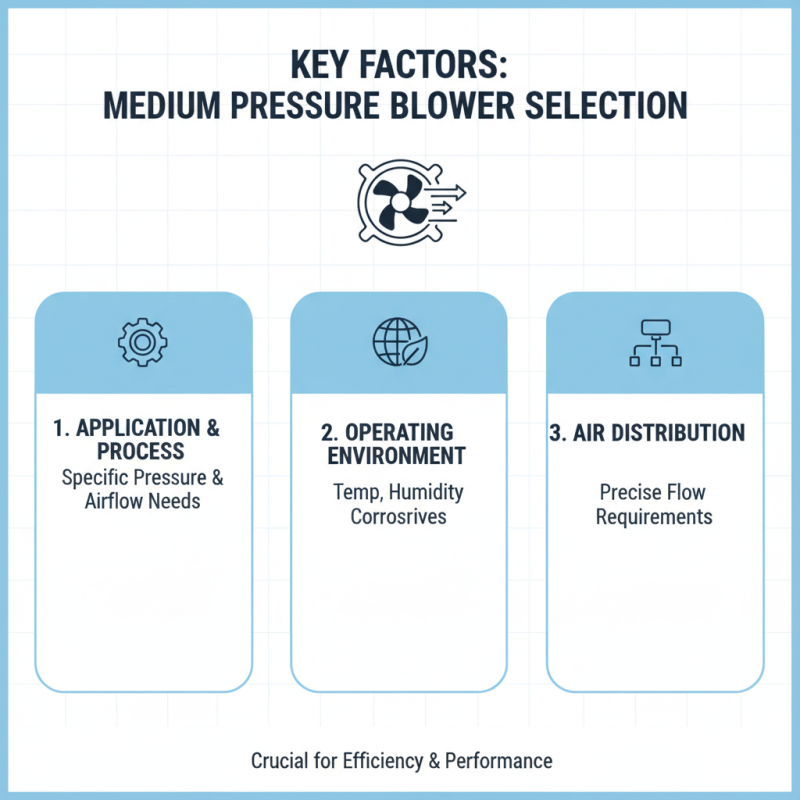
When selecting a medium pressure blower, consider the application and environment. Different applications require specific pressure and airflow rates. Think about the process you will use it for. Air distribution can vary greatly, so precise requirements are crucial.
Tips: Measure the pressure needed in your system. Often, applications vary between 1 to 10 psi. This measurement will guide your choice. Pay attention to airflow requirements too. A volume of 100 to 5000 CFM is often common for these blowers.
Don't overlook efficiency ratings. A blower with a high-efficiency rating can save energy and reduce operational costs. It's essential to assess the maintenance needs as well. Some blowers need regular upkeep, while others are designed for low-maintenance.
Tips: Look for features like easy access to parts for repairs. This can save time and headaches. Evaluate the noise levels too, as they can impact working conditions. A quieter blower may be essential in a sensitive environment.
Evaluating Blower Performance Specifications and Requirements
When choosing a medium pressure blower, performance specifications play a critical role. Focus on airflow, pressure, and efficiency. Airflow is measured in cubic feet per minute (CFM). It's essential to select a blower that meets your system’s requirements. Research suggests that a mismatch can lead to performance issues. For example, a blower with inadequate CFM may cause overheating and increased maintenance costs.
Pressure is another vital factor. Medium pressure blowers typically operate at 1-10 psi. Understanding the pressure your application needs is crucial. According to industry reports, blowers that exceed recommended pressure can lead to energy waste. Efficiency ratings, like the Motor Management Index, are also key indicators. A less efficient blower may use up to 30% more energy than needed.
Installation and compatibility matter too. Not all systems suit every blower. Ensure the chosen blower integrates seamlessly with your existing setup. Read customer reviews and expert analysis to gauge real-world performance. Sometimes, specs may look perfect on paper but fall short in practice. Take time to evaluate options carefully before purchasing.
Assessing Your Application Needs for Medium Pressure Blowers
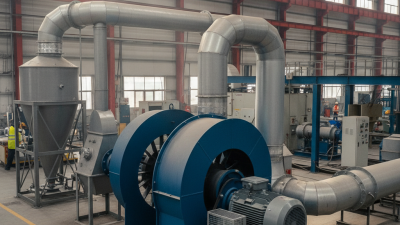
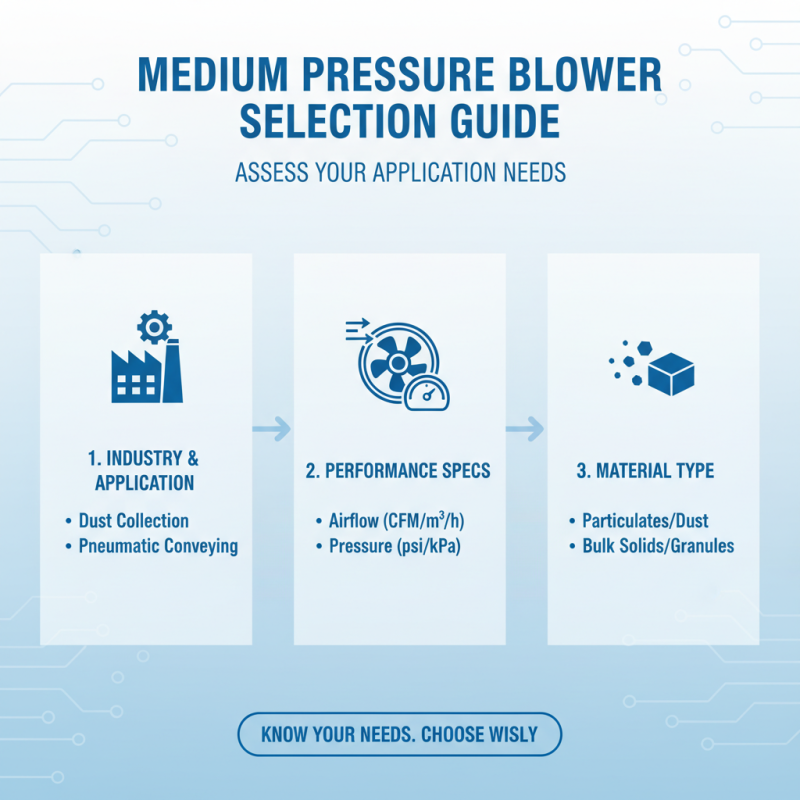
When selecting a medium pressure blower, understanding your application needs is crucial. Different industries require different specifications, and blowing needs can vary significantly. For example, a reliable blower for a dust collection system may not serve well in a pneumatic conveying setup. Knowing your specific airflow, pressure requirements, and the type of materials you are working with can guide your decision effectively.
**Tips:** Consider the intended use of the blower. Will it be used continuously or intermittently? Continuous usage demands more robust designs. Check for compatibility with your existing systems. Improper integration can lead to inefficiencies.
The environment plays an important role too. Will the blower be subjected to high temperatures or corrosive materials? Such factors can affect the durability and performance of your equipment. Assess the noise level as well. High noise can be disruptive, so sound dampening might be necessary.
**Tips:** Measure the space where the blower will be installed. Size matters and should not be overlooked. Remember, an improperly sized blower might underperform or waste energy. Always consult with industry experts when in doubt; their experience can provide invaluable insights.
Comparing Different Brands and Models of Medium Pressure Blowers
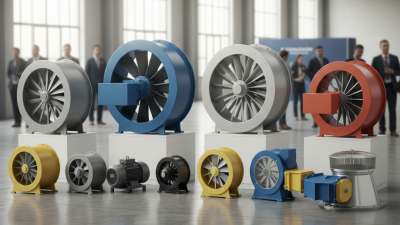
When selecting a medium pressure blower, it’s essential to compare different brands and models. The market offers diverse options with varying specifications. Each brand brings unique features and performance characteristics. Understanding these differences can be overwhelming. Therefore, doing thorough research is key.
Consider the air volume and pressure requirements for your specific application. Some models excel in high airflow but may not sustain consistent pressure. Others might perform well with lower airflow yet deliver steady pressure. This balance is crucial for efficiency. Tips: Always check user reviews and specifications firsthand. These insights provide a real-world perspective on reliability and performance.
Budget plays a significant role too. While some blowers are cost-effective, they might lack durability or efficiency. Investing in a quality model can save long-term maintenance costs. Tips: Ask for demonstrations if possible. This firsthand experience can reveal operational nuances that specifications alone might not cover. Reflect on your needs versus the blower's capabilities. It’s not uncommon to change preferences after testing different models.