What is a Medium Pressure Fan and How Does it Work?
In the realm of industrial and commercial applications, the "Medium Pressure Fan" plays a crucial role in ventilation and air movement. According to a recent market report by Research and Markets, the global industrial fan market is expected to reach $10.5 billion by 2027, driven largely by the increasing demand for efficient air management systems. Medium pressure fans are designed to provide air distribution with pressure levels ranging from 1 to 10 inches of water column, making them ideal for various environments.
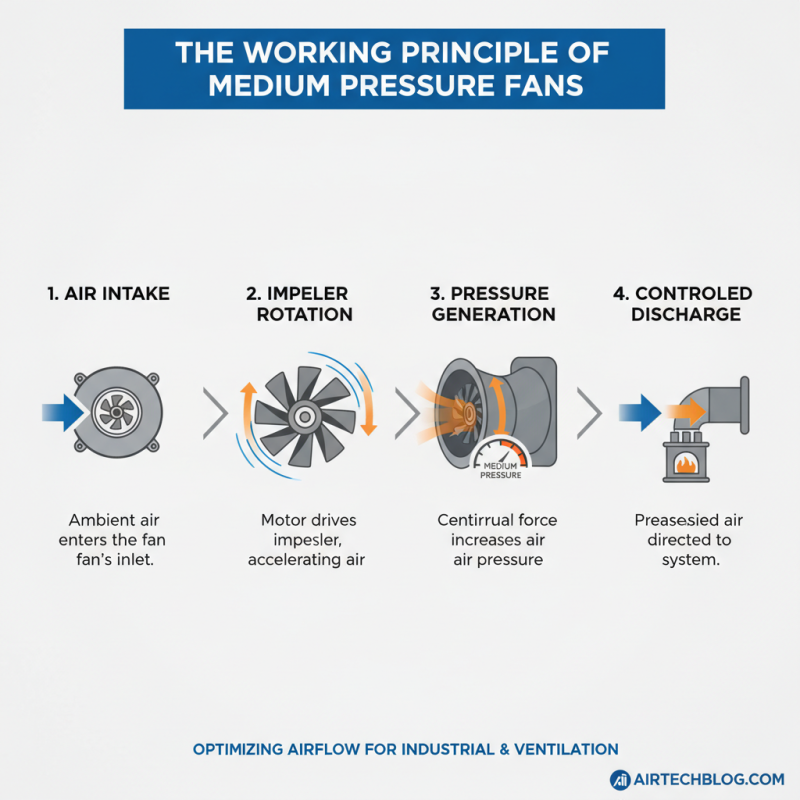
Understanding how a Medium Pressure Fan operates is vital for optimizing energy consumption and effectiveness. These fans balance airflow and pressure, which ensures that systems function smoothly. However, their efficiency sometimes draws scrutiny. Misapplication of medium pressure fans can lead to energy waste or insufficient airflow. It highlights the need for expertise in selecting the right type of fan for specific applications.
The reliability of a Medium Pressure Fan hinges on proper installation and regular maintenance. Industry standards emphasize the importance of adherence to specifications for durability and performance. Yet, many users overlook the complexity of these systems, potentially leading to operational issues. Thus, a comprehensive understanding of their functionality is important for achieving optimal results in air management.
What Defines a Medium Pressure Fan in HVAC Systems
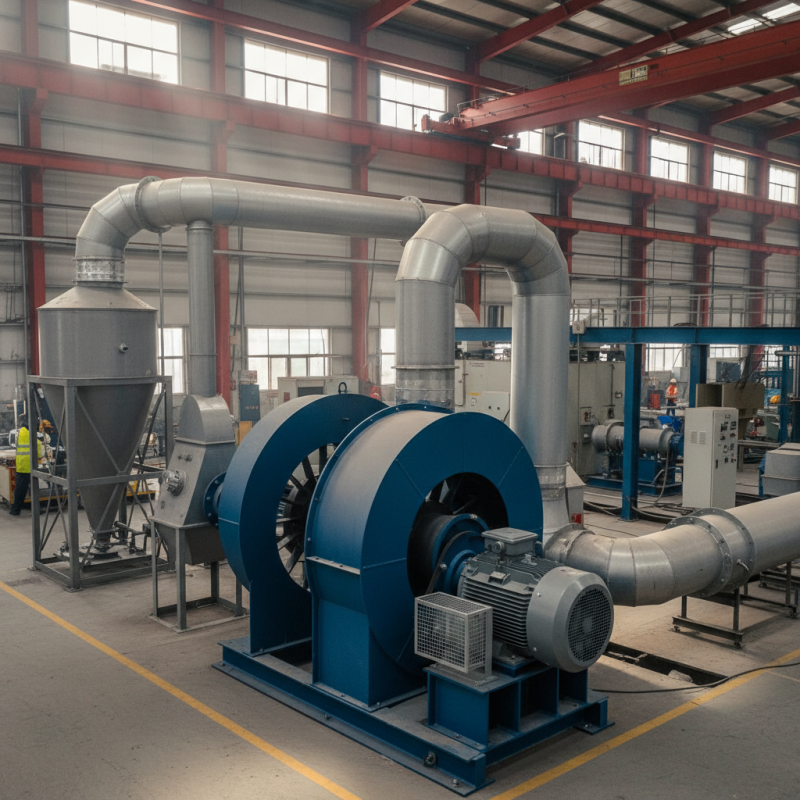
Medium pressure fans play a crucial role in HVAC systems. They typically operate at a pressure range between 1 to 5 inches of water gauge. This range makes them effective in transporting air in both commercial and residential settings. According to a recent industry report, approximately 30% of energy consumption in HVAC systems is linked to air movement. Medium pressure fans help optimize this aspect, ensuring efficient air distribution.
The design of a medium pressure fan focuses on achieving a balance between airflow and static pressure. This balance allows for effective ventilation without excessive energy use. Industry studies indicate that using medium pressure fans can reduce overall energy costs by up to 20%. Their ability to handle larger volumes of air makes them suitable for applications like building ventilation and exhaust systems.
Despite their advantages, incorrect installation can lead to potential inefficiencies. Many HVAC professionals emphasize the importance of proper sizing and ductwork design. Poor installation often results in increased noise levels or reduced airflow. Addressing these issues requires continuous evaluation and adjustment. The right approach ensures that medium pressure fans fulfill their intended role efficiently.
What is a Medium Pressure Fan and How Does it Work? - What Defines a Medium Pressure Fan in HVAC Systems
| Dimension |
Description |
| Pressure Range |
Typically between 1.0 to 4.0 inches of water gauge |
| Flow Rate |
Usually ranges from 500 to 15,000 CFM (Cubic Feet per Minute) |
| Application |
Commonly used in HVAC systems for ventilation and air distribution |
| Efficiency |
High efficiency with proper design can achieve over 70% efficiency |
| Speed Control |
Often equipped with VFDs (Variable Frequency Drives) for better control |
| Noise Level |
Typically produces moderate noise levels; may require sound attenuation measures |
| Motor Type |
Can utilize either direct drive or belt-driven motors depending on design |
Common Applications for Medium Pressure Fans
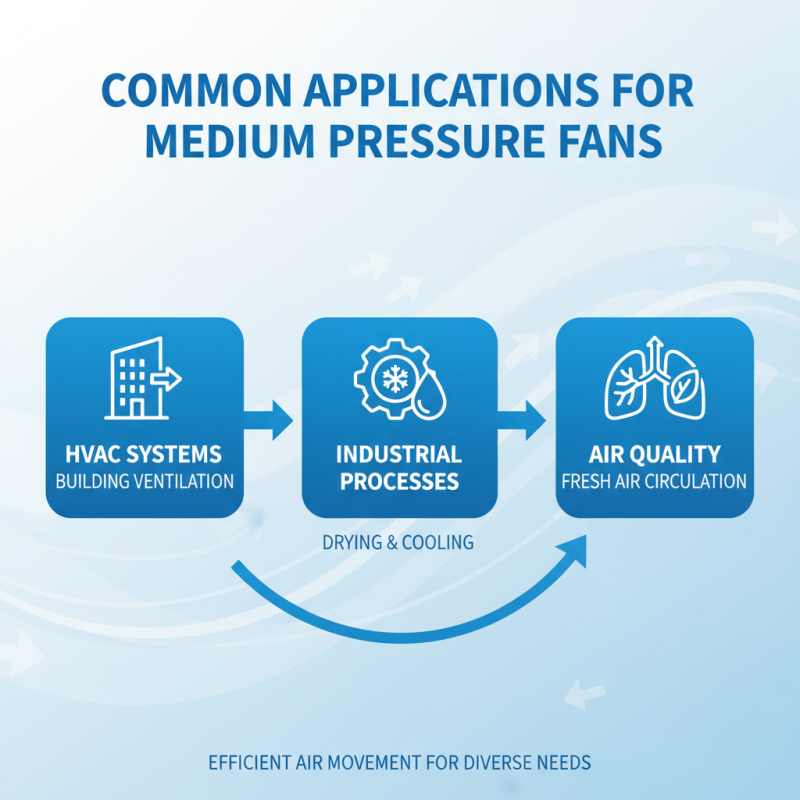
Medium pressure fans are versatile tools in various industries. Their ability to move air efficiently makes them suitable for numerous applications. These fans often find themselves in HVAC systems, ensuring proper ventilation in buildings. They help maintain indoor air quality by circulating fresh air while removing stale air. In industrial settings, medium pressure fans support processes such as drying and cooling, where airflow is critical.
Another common use is in power plants. These fans assist in the cooling of equipment and help manage emissions. Additionally, they are essential in aquaculture, providing necessary aeration in fish farming. Proper air circulation is vital for fish health and growth. The impact of medium pressure fans can be seen across multiple sectors, showcasing their importance in maintaining operational efficiency.
**Tip:** Always consider the specific requirements of your application. Different settings may require varying fan configurations. Consulting with an expert can help identify the optimal fan for your needs.
**Tip:** Regular maintenance can prolong the life of your medium pressure fan. Check for dust buildup, and ensure that the bearings are lubricated. Neglect can lead to decreased efficiency and higher energy costs.
Key Components of Medium Pressure Fans
Medium pressure fans play a crucial role in various industrial applications. Understanding their key components is essential for optimal performance. These fans are designed to handle airflow at pressures between standard and high levels. They are commonly used in ventilation systems, dust collection, and cooling processes.
The primary components include the impeller, housing, and motor. The impeller is responsible for moving the air. It has blades that generate airflow when rotated. The housing encases the impeller and directs the air, enhancing efficiency. A well-designed housing minimizes turbulence, which can impact performance. The motor powers the impeller, providing the necessary force for air movement.
Other important elements are the bearing system and the inlet. The bearing system supports the impeller's rotation, ensuring smooth operation. It can be a point of failure, requiring regular maintenance. The inlet plays a critical role in guiding air into the fan. A poorly designed inlet can lead to airflow restrictions, affecting the fan's effectiveness. A deeper understanding of these components helps in optimizing medium pressure fans for specific applications.
Maintenance Tips for Optimal Performance of Medium Pressure Fans
Medium pressure fans play a crucial role in various industrial applications, providing ventilation and ensuring efficient airflow. To maximize their performance, regular maintenance is essential. Reports indicate that proper upkeep can enhance efficiency by up to 25%.
It’s vital to inspect fan blades for wear and buildup. Dust or debris can significantly affect airflow, leading to reduced performance. Cleaning the blades regularly prevents this and promotes optimal operation. Monitor the vibration levels of your fans. Excessive vibration can indicate underlying issues and can be mitigated by timely repairs.
Another key maintenance tip involves checking the motor and bearings. Lubrication is necessary to ensure smooth functioning, and a lack of it can lead to overheating. Running an overworked fan can increase energy costs and extend downtime. Periodic assessments should not be overlooked to maintain reliability. These small tasks can prevent larger issues down the line, ensuring that your equipment runs as intended.