2026 How to Choose the Best Electric Side Channel Blower?
In the world of industrial equipment, choosing the right Electric Side Channel Blower can be a daunting task. According to Dr. Emily Carter, a renowned expert in fluid dynamics, "Understanding the specific requirements of your application is key to selecting the best blower." This statement underscores the importance of tailoring your choice to your unique situation.
Electric Side Channel Blowers offer immense versatility and efficiency. They are used in various industries, from packaging to wastewater treatment. However, their operational requirements can differ significantly. Factors such as airflow rate, pressure, and noise levels must all be considered. Each detail influences your process efficiency.
Yet, the market is saturated with options. A common mistake is choosing a blower based solely on brand reputation. Sometimes, users overlook critical specifications that fit their unique needs. It is essential to analyze how each model aligns with your operational goals. In the end, a well-informed choice can lead to substantial improvements in productivity and reliability. Balancing expertise with practical insights is crucial for any business investing in this technology.
Understanding Electric Side Channel Blowers: Key Components and Functions
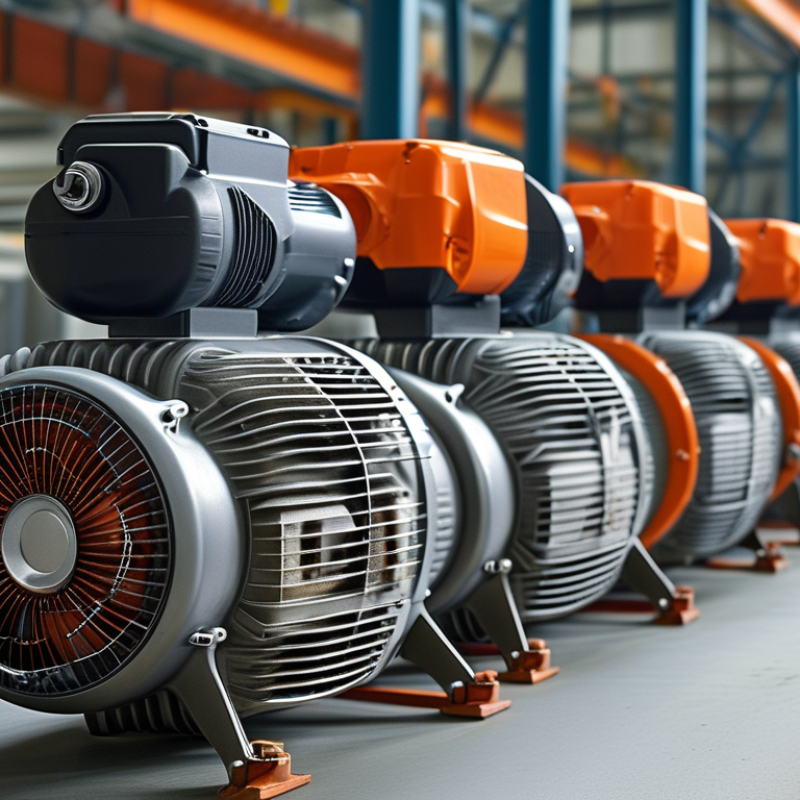
Electric side channel blowers are essential for various industrial applications. They work efficiently to create a vacuum or boost airflow. Understanding their key components can help you choose the right model for your needs.
One important element is the impeller. It spins rapidly to generate airflow. Material and design impact performance and durability. Additionally, the housing contributes to noise levels and efficiency. Paying attention to these details will lead to better decision-making.
Another consideration is the motor. The power and speed ratings determine effectiveness for specific tasks. Look for durability and simple maintenance features. Many users overlook these aspects, leading to suboptimal choices. Evaluating your requirements and application specifics is necessary for success.
Evaluating Performance Metrics: Airflow Rates and Pressure Specifications
Choosing the right electric side channel blower hinges on understanding performance metrics. After all, airflow rates and pressure specifications dictate efficiency in various applications.
Airflow rate, typically measured in cubic meters per hour (m³/h), indicates how much air the blower can move. Higher rates are essential for industrial tasks, while lower rates may suffice for smaller operations.
Pressure specifications are equally critical. They measure the blower's capability to move air against resistance. This is expressed in terms of pressure variations such as Pascal (Pa) or inches of water column. A blower with higher pressure ratings is suitable for applications with significant resistance to airflow. However, a balance is necessary. Excessive pressure may lead to inefficiency if the airflow rate is too low.
Evaluating airflow and pressure together is not always straightforward. Some models may *excel* in one metric but lag in another. Reliability comes from understanding your requirements and assessing blower performance accordingly. Detailed specifications should guide your choice, but so should real-world testing. Always consider how various factors may affect overall performance over time.
Assessing Efficiency Ratings: Power Consumption and Noise Levels
When selecting an electric side channel blower, efficiency ratings play a crucial role. Power consumption is a key factor. A study from the International Energy Agency highlights that energy-efficient blowers can reduce electricity use by up to 30%. This can lead to significant savings over time, making a smart investment essential for long-term operations.
Noise levels are equally important. The World Health Organization recommends noise exposure limits of 70 decibels for occupational settings. Many side channel blowers exceed this threshold, impacting worker health and productivity. According to a recent report from the Acoustic Society, blowers with noise levels over 85 decibels can cause hearing damage with prolonged exposure. Seek models that balance power and quiet operation for a suitable workplace environment.
While efficiency and noise are critical, one must also consider mechanical reliability. Poor designs can lead to failures and increased maintenance costs, undermining the initial savings. Always review user feedback and expert opinions to gauge long-term performance. This approach fosters a more comprehensive understanding of both the operational and environmental impacts of your selection.
Comparing Brands and Models: Market Leaders and Industry Standards
When evaluating electric side channel blowers, understanding the market landscape is crucial. Research from industry sources highlights that three brands dominate the sector, capturing over 60% of market share. These companies have invested significantly in R&D, leading to innovations in efficiency and noise reduction.
Performance metrics often vary across models. Some blowers achieve up to 90% efficiency, while others fall short, barely reaching 75%. This discrepancy can impact operational costs significantly. Buyers should analyze flow rates and pressure specifications, as these factors directly influence performance outcomes.
User reviews reveal mixed experiences. Some models provide excellent durability, while others struggle under continuous use. It's essential for potential buyers to consider warranty offerings, as they reflect manufacturer confidence. Understanding these nuances can guide users toward making informed choices, ultimately leading to better investment decisions.
Maintenance Considerations: Ensuring Longevity and Performance Reliability
Maintaining an electric side channel blower is crucial for optimal performance. Regular check-ups can help prevent unexpected breakdowns. Simple tasks include cleaning the air filters and inspecting for debris. Over time, dust accumulates and can impact efficiency. A clean unit reduces energy consumption.
Lubrication is another critical aspect. The rotor bearings require periodic greasing to ensure smooth operation. Neglecting this can lead to unnecessary wear and tear. It might seem minor, yet improper lubrication is a frequent issue. Many users overlook it, resulting in costly repairs later.
Monitoring noise levels can also indicate potential problems. Unusual sounds often signal underlying issues. Addressing them early can extend product life. Regularly reviewing operational performance helps identify such problems. Users should actively engage in maintenance to ensure reliability.
2026 How to Choose the Best Electric Side Channel Blower? - Maintenance Considerations: Ensuring Longevity and Performance Reliability
| Dimension |
Value |
Importance |
| Airflow Capacity (m³/h) |
300 |
Essential for application requirements |
| Power Consumption (kW) |
1.5 |
Affects operational costs |
| Max Pressure (Pa) |
3000 |
Critical for processing needs |
| Noise Level (dB(A)) |
80 |
Important for workplace comfort |
| Maintenance Interval (months) |
12 |
Ensures reliable operation |
| Weight (kg) |
50 |
Impacts installation and transport |
| Operating Temperature (°C) |
-10 to 40 |
Influences application suitability |