Top 10 Centrifugal Blower Manufacturers Worldwide
Choosing a reliable centrifugal blower manufacturer requires more than comparing catalogue prices. A factory may excel in clean-air systems, while another handles abrasive dust, high temperatures, or continuous industrial duty. This guide examines ten globally recognized manufacturers through practical criteria: airflow range, pressure capability, motor efficiency, construction quality, customization, service reach, and documented performance. The term “Centrifugal Blower” covers many designs. That difference matters.
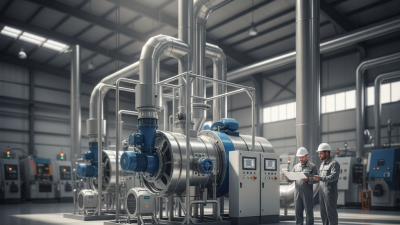
Real-world selection often begins on the installation floor. Stainless steel housings, balanced impellers, sealed bearings, and accessible inspection points can influence uptime. Noise levels matter near operators. Energy use matters every hour. We consider manufacturers serving ventilation, process cooling, dust collection, combustion air, and other demanding applications. Product certifications and testing practices also receive attention, because a polished brochure is not proof of field reliability. Customer support deserves equal weight. Spare parts, commissioning guidance, and response times can decide whether a small fault becomes a costly shutdown.
This is not a claim that one brand fits every plant. Data changes, regional subsidiaries differ, and published specifications may use different test conditions. Some rankings also depend on project scale and local availability. Readers should verify duty points, operating temperature, materials, and compliance requirements before ordering. The manufacturers below provide a practical starting point, not a substitute for engineering review. A careful comparison can reduce selection errors. It can also reveal trade-offs that product tables hide. In some cases, the best supplier may be the one with clearer documentation and nearby technical support. That detail is easy to overlook.
Centrifugal Blowers: Definition, Design, and Industrial Applications
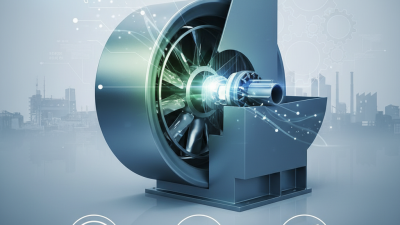
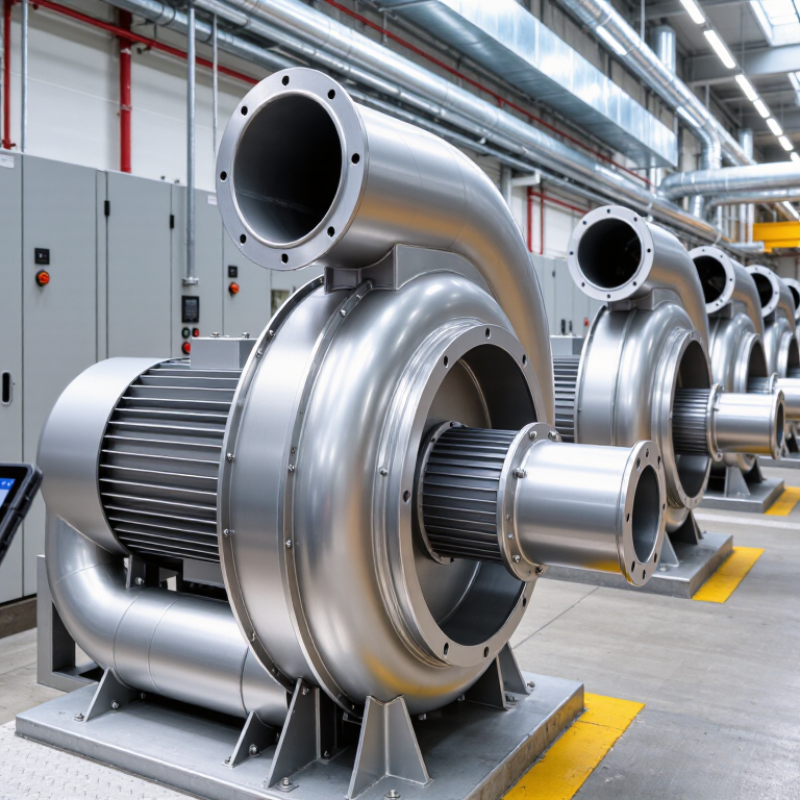
Centrifugal blowers move air by converting rotating energy into pressure. An impeller draws air through its center and redirects it outward. The casing then guides airflow toward the discharge outlet. This design suits ventilation, dust collection, combustion air, and pneumatic conveying.
Performance depends on impeller geometry, blade angle, casing shape, speed, and system resistance. Backward-curved blades often provide stable operation and lower power demand. Forward-curved designs deliver compact airflow but may draw more power. According to the U.S. Department of Energy’s fan-system guidance, correcting system resistance and improving controls can reduce fan energy use by roughly 10% to 30%. The fan laws also matter: doubling speed can increase power demand approximately eightfold. That detail is easy to underestimate.
Industrial selection requires measured data, not catalog optimism. Engineers should compare airflow, static pressure, temperature, noise, efficiency, and operating hours. AMCA testing standards support consistent fan-performance evaluation under defined conditions. In a factory, a blower may face clogged filters, leaking ducts, or changing production loads. These details can shift the duty point significantly. Variable-speed control often helps, but only when the motor and process can tolerate slower operation. A perfect design on paper may perform poorly in a dirty plant. That deserves review.
Criteria for Selecting the Top Global Centrifugal Blower Manufacturers
Top 10 Centrifugal Blower Manufacturers Worldwide
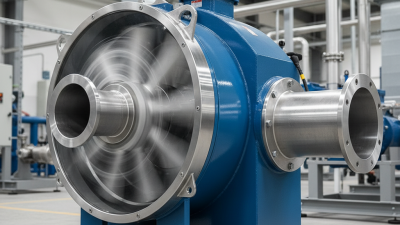
Selecting leading centrifugal blower manufacturers requires more than comparing airflow figures. A reliable evaluation examines engineering experience, production consistency, and service capability. Manufacturers should provide verified performance curves, noise data, vibration limits, and motor compatibility. Their blowers must maintain stable pressure across changing operating conditions. Materials also matter. Coated steel may suit dry environments, while stainless steel can support demanding industrial applications. Factory testing, traceable components, and documented quality procedures strengthen technical credibility.
Long-term performance deserves equal attention. Check bearing life, impeller balance, seal design, and access for maintenance. Ask how the manufacturer handles custom airflow, high-temperature operation, and installation constraints. Strong suppliers explain limitations clearly instead of promising every specification. This builds trust. Independent certifications can support reliability, but certificates alone do not prove field performance. Review operating references, warranty terms, spare-parts availability, and response times. No scorecard is perfect. A low-cost unit may appear efficient until downtime, energy use, and difficult repairs change the calculation.
Tips: Request a sample test report before purchasing. Compare sound levels at the same distance and operating point. Inspect the impeller and housing finish carefully. Speak with maintenance teams, not only sales representatives. They often reveal practical problems, such as difficult belt access or unexpected dust buildup. Recheck all data under real installation conditions. Laboratory results can be impressive, yet poorly selected controls may reduce actual efficiency.
Regional Distribution of Leading Centrifugal Blower Producers
Regional Distribution of Leading Centrifugal Blower Producers
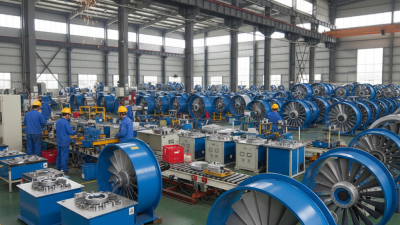
Centrifugal blower production is concentrated in Asia-Pacific, where dense manufacturing networks support lower-cost motor, steel, and impeller supply. Grand View Research reports that Asia-Pacific held the largest share of the industrial air systems market in 2023, supported by expanding construction, electronics, and process industries. China remains a major production base, while Japan, South Korea, and India contribute advanced designs and specialized engineering. Factory floors often reveal this advantage: standardized housings sit beside automated balancing equipment and test benches.
Europe represents a smaller volume base but a strong engineering center. MarketsandMarkets identifies energy efficiency and industrial modernization as key demand drivers across European air-handling equipment. Producers increasingly design backward-curved impellers, variable-speed drives, and low-noise casings for factories and commercial buildings. Regional regulations also push manufacturers toward measurable efficiency. Yet reported market shares vary. Research firms define “centrifugal blower” differently, so direct comparisons can mislead.
North America maintains substantial demand through HVAC replacement, wastewater treatment, power generation, and data-center cooling. Fortune Business Insights links industrial air equipment growth with infrastructure upgrades and expanding process capacity. The Middle East and Southeast Asia are smaller manufacturing hubs, but their project demand is rising through desalination, logistics, and industrial construction. Local assembly is growing, although high-performance components may still travel across borders. That dependency deserves more attention. Product availability can look regional, while the supply chain remains genuinely global.
Profiles of the Top 10 Centrifugal Blower Manufacturers Worldwide
The top ten centrifugal blower manufacturers worldwide reflect a market shaped by efficiency, reliability, and application depth. Their portfolios commonly cover single-stage, multistage, and high-pressure designs. U.S. Department of Energy guidance notes that fan systems can represent a significant share of industrial electricity use, sometimes exceeding 10 percent. This makes motor selection and airflow control central purchasing concerns.
Several leading manufacturers specialize in compact blowers for ventilation, dust collection, and electronics cooling. Others focus on heavy-duty units for wastewater treatment, pneumatic conveying, and process air. The strongest profiles usually show proven field experience, documented testing, and accessible maintenance support. ISO 9001-based quality systems remain useful evidence, although certification alone does not prove product performance. That distinction matters.
Industry research from Grand View Research identifies energy efficiency and industrial automation as important growth drivers in air-moving equipment. The top ten therefore increasingly offer variable-frequency-drive compatibility, sensor integration, and remote diagnostics. Some provide impellers designed for lower noise and reduced vibration. Others compete through customized housings, corrosion-resistant materials, or rapid replacement programs. Specifications can look impressive. Real operating conditions are less tidy. Buyers should compare measured airflow, pressure, sound levels, service intervals, and efficiency at the actual duty point. Published laboratory results may not fully represent dusty, humid, or unstable plant environments. That is where a careful profile becomes more valuable than a polished brochure.
Product, Technology, and Market Comparison of the Top 10 Manufacturers
Comparing the top ten centrifugal blower manufacturers requires more than checking airflow figures. Their product ranges usually include single-stage, multistage, and high-pressure models. Industrial users should examine pressure stability, noise levels, bearing design, and service access. A blower may look efficient on paper, yet perform poorly in dusty or humid plants.
Technology separates the market leaders. Some manufacturers focus on backward-curved impellers and direct-drive motors. Others emphasize variable-frequency control, digital monitoring, or oil-free operation. Energy efficiency matters, but lifecycle cost matters more.
A slightly cheaper unit can demand frequent cleaning, seal replacement, or specialist maintenance. Market strength also reflects local inventory, technical training, spare-part availability, and response speed. No ranking is perfect. Published performance data may use different test conditions, which makes direct comparison uncertain.
Tips: Ask for certified test data under your actual operating conditions. Compare sound pressure, not only motor power. Request a maintenance schedule and realistic delivery time. Visit a similar installation when possible. Small details matter. Avoid choosing from a catalog alone. A useful comparison should include five-year energy use, installation limits, control compatibility, and after-sales support. Some buyers still overlook voltage variation and seasonal temperature changes. That oversight can reduce output and shorten equipment life.