Top Industrial Centrifugal Fans for Global Buyers?
In today's industrial landscape, the demand for high-performance Industrial Centrifugal Fans is on the rise. According to a recent report by MarketsandMarkets, the global market for these fans is projected to reach $6.5 billion by 2026. This surge is driven by various sectors, including manufacturing, power generation, and HVAC systems. The need for efficient air movement solutions has never been more critical.
Dr. Emily Roberts, an expert in industrial ventilation systems, states, "The efficiency of an Industrial Centrifugal Fan can significantly impact energy consumption and operational costs." This highlights the importance of selecting the right fan for specific applications. Many companies still overlook the critical role these fans play in ensuring reliability and efficiency.
Environmental sustainability also influences fan design. Manufacturers are increasingly integrating eco-friendly materials and energy-efficient designs into their products. Yet, there’s room for improvement. Several players in the industry are slow to innovate, which can hinder progress. As we dive into top Industrial Centrifugal Fans for global buyers, it’s essential to evaluate not just performance but also the long-term impact on resources and energy consumption.
Top Applications of Industrial Centrifugal Fans in Various Industries
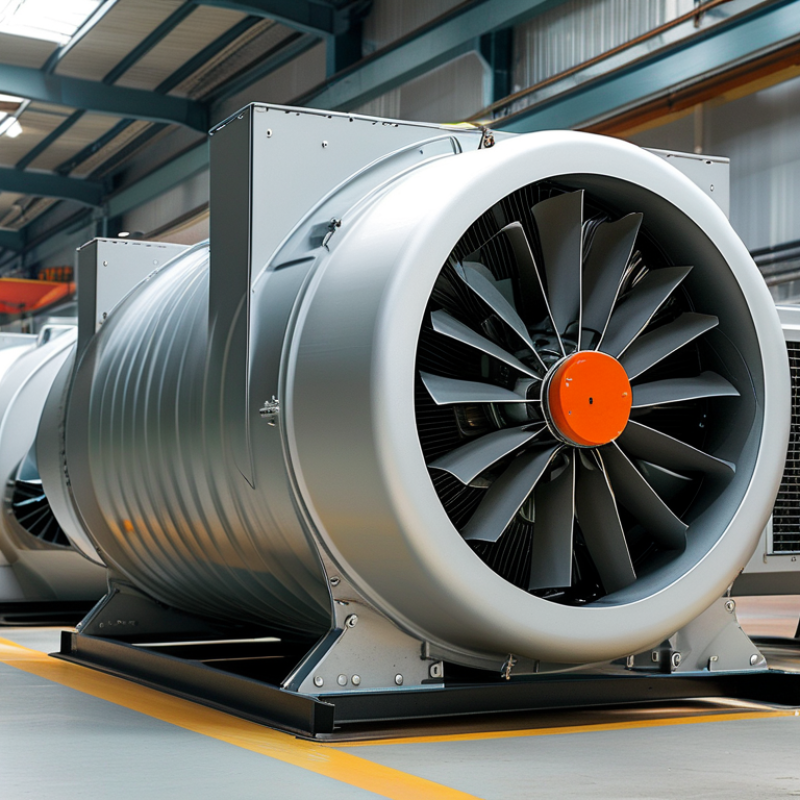
Industrial centrifugal fans play a crucial role in numerous sectors, including manufacturing, mining, and HVAC. Their primary function is to move air and gases efficiently. According to a recent market analysis report by Research and Markets, the global industrial fan market was valued at approximately $12 billion in 2022 and is projected to grow at a CAGR of 5.4% from 2023 to 2030. This growth reflects the rising demands for dynamic air management solutions across industries.
In the manufacturing domain, centrifugal fans are vital for dust control and ventilation. They help maintain optimal air quality, which is crucial for worker safety. A report by Global Industry Analysts indicates that chemical processing is the leading application for these fans, accounting for about 30% of the market. This highlights their importance in ensuring efficient chemical reactions and minimizing hazardous emissions.
However, issues such as energy efficiency and noise management need to be addressed. Many older models consume too much power, leading to higher operational costs. Innovative designs and materials might improve efficiency, but the industry still faces challenges in compliance with stringent environmental regulations. Continuous investment in research is essential to overcome these barriers and enhance the overall performance of centrifugal fans.
Key Specifications and Performance Metrics of Centrifugal Fans
Centrifugal fans play a crucial role in industrial applications, affecting efficiency and performance. Key specifications of these fans include airflow capacity, pressure rating, and energy consumption. The airflow capacity is typically measured in cubic feet per minute (CFM). According to recent industry reports, high-performance centrifugal fans can achieve up to 60,000 CFM. This statistic highlights their capability in handling substantial volume requirements.
Pressure rating is another vital metric. Many centrifugal fans operate efficiently at static pressures ranging from 0.5 to 10 inches of water column (WC). This range is critical for applications requiring consistent airflow against resistance. Moreover, energy efficiency is imperative, with some models boasting efficiency ratings nearing 85% based on operational parameters. However, selecting the right model can be complex and often necessitates in-depth calculations and adjustments.
Performance metrics often reveal trade-offs. Higher airflow may come at the cost of increased energy consumption. Sometimes, the ideal fan may not be the most powerful one. In various scenarios, users need to balance noise levels against airflow needs. Many industrial environments prioritize quieter operations, pushing for designs with optimized sound levels. Identifying these key specifications allows buyers to make informed decisions tailored to their specific needs.
Leading Manufacturers of Centrifugal Fans and Their Market Share
In the industrial sector, centrifugal fans play a crucial role. They are widely used across various applications, from manufacturing to HVAC systems. Global buyers need reliable information about leading manufacturers in this field. Market share data highlights key players who influence trends and pricing. Understanding each manufacturer’s strengths allows buyers to make informed decisions.
The industry is diverse, with players specializing in different fan designs and capabilities. Some offer high-efficiency solutions tailored for specific environments. Others focus on affordable options for standard applications. Demand fluctuates based on technological advancements and economic conditions. Buyers may notice that market share has shifted recently, indicating emerging competitors.
While established brands dominate, newer manufacturers are gaining traction. They often introduce innovative features, like quieter operation or energy efficiency. This shift can challenge traditional players, prompting them to adapt. Buyers must stay aware of these changes. Conducting thorough research will yield better procurement outcomes. Some buyers may overlook smaller companies, but their offerings can surprise. Such exploration may result in reliable and cost-effective solutions.
Trends in Energy Efficiency and Sustainability for Centrifugal Fans
Centrifugal fans have become pivotal in promoting energy efficiency and sustainability in various industries. Recent reports indicate that up to 30% of industrial energy usage can be attributed to fan systems. This highlights the need for effective energy solutions. The market is evolving toward fans designed to optimize performance while minimizing energy consumption.
Energy-efficient models adopt technologically advanced designs. They often include features like variable speed drives and high-efficiency motors. According to a 2022 energy efficiency report by the U.S. Department of Energy, upgrading to high-efficiency centrifugal fans can yield savings of 20-50% in energy costs. These improvements also contribute to lower carbon footprints.
Sustainability is now a crucial aspect of fan designs. Many manufacturers focus on environmentally friendly materials and recycling in fan production. This shift aligns with global trends toward greener industrial practices. However, implementing such sustainable practices can be challenging. Companies often face hurdles like higher initial costs and the need for specialized knowledge. Balancing sustainability and cost-efficiency requires a strategic approach.
Top Industrial Centrifugal Fans Energy Efficiency and Sustainability Trends
Global Market Growth Projections for Industrial Centrifugal Fans 2023-2030
The global market for industrial centrifugal fans is set for significant growth from 2023 to 2030. Several factors are driving this trend. Industries are expanding their production capacities to meet rising demand. This increase necessitates efficient airflow solutions that centrifugal fans provide. Their ability to handle large volumes of air makes them essential in manufacturing processes.
Market experts project a robust annual growth rate during this period. The construction, agriculture, and mining sectors are key contributors to this demand. However, companies face challenges in selecting the right fans. While efficiency is crucial, factors like noise levels and energy consumption must also be considered. The complexity of these choices can lead to suboptimal selections, highlighting the need for expert guidance.
Sustainability is a growing focus. Many buyers now seek eco-friendly options to minimize their environmental footprint. This shift poses challenges for manufacturers. They need to innovate while maintaining performance standards. The landscape is shifting, and companies must stay informed to navigate these changes effectively. Investing in research and development will be critical as the market evolves.