Top 5 Tips for Choosing the Best Roots Air Blower?
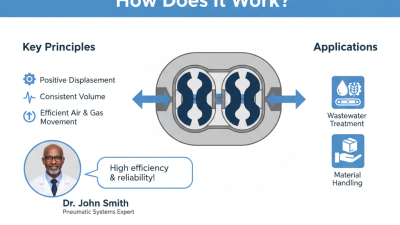
Choosing the right Roots Air Blower is crucial for efficiency and performance. Industry expert John Smith emphasizes, "The right choice can significantly impact your operation." With numerous models and features available, making an informed decision can be overwhelming.
When selecting a Roots Air Blower, it’s essential to consider specific needs. For example, a blower suited for industrial applications may not fit well in a smaller facility. Additionally, efficiency ratings and noise levels play important roles. Experts suggest prioritizing the right horsepower and pressure capabilities to match your applications.
Innovation in blower technology has led to many options. Yet, some products may not deliver as promised. It’s vital to research and compare brands thoroughly. Consulting with professionals or conducting field tests can provide valuable insights. A thoughtful choice today can yield long-term benefits and contribute to operational success.
Understanding the Basics of Roots Air Blowers
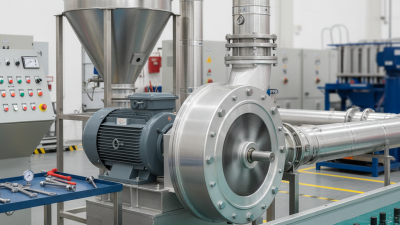
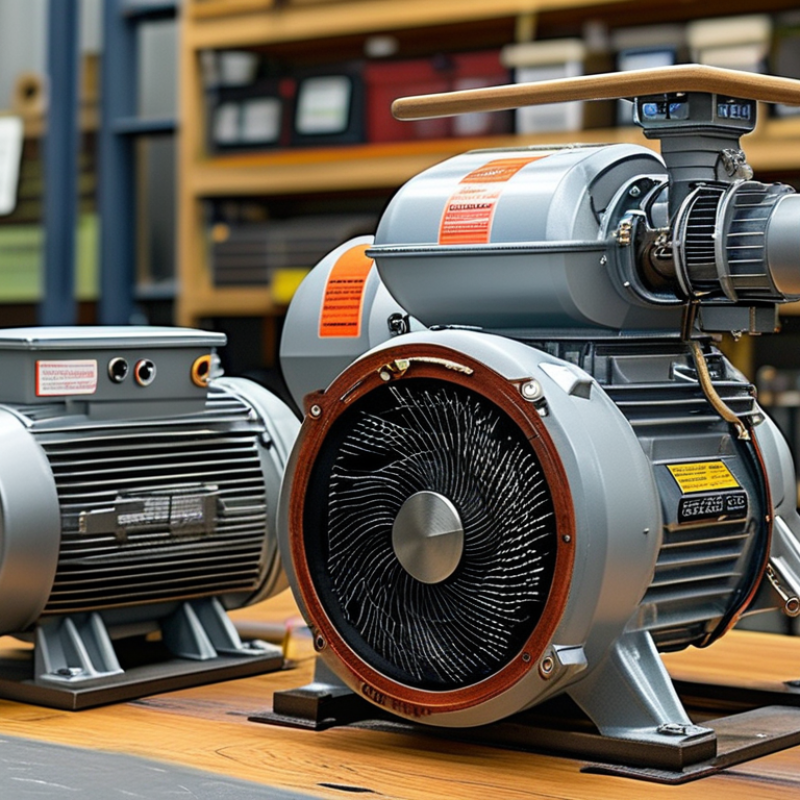
Roots air blowers are essential for various industrial applications. They operate on a simple principle—displacing air using two or more lobes. Understanding their mechanics is critical for making informed decisions. These blowers typically offer high efficiency and reliability, making them suitable for processes requiring steady airflow.
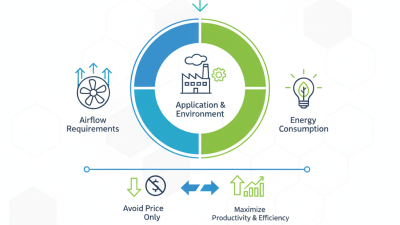
When selecting a Roots air blower, consider the application requirements. Think about the airflow needed and the pressure conditions. Performance data can be tricky to interpret. Taking time to truly understand these parameters can avoid costly mistakes later. Additionally, noise levels are sometimes overlooked but can impact the work environment significantly.
Maintenance is another key area. Regular checks ensure optimal performance and prolong the blower's lifespan. Many forget that even a small oversight can lead to larger problems. Choose a blower that is easy to maintain. This can save both time and costs in the long run. Reflecting on these factors will lead to better choices.
Key Features to Consider When Selecting a Roots Air Blower
When selecting a Roots air blower, several key features require attention. An essential factor is the blower's flow rate. This measurement indicates the volume of air it can move. Higher flow rates often mean better performance in applications like wastewater treatment and pneumatic conveying. It's vital to know your needs before making a choice. The design can make a significant difference in efficiency.
Another consideration is the noise level. Some blowers operate quietly, while others produce significant noise. This aspect may impact working conditions and nearby environments, especially in residential areas. Check the decibel ratings provided by manufacturers. A quieter unit can improve overall operational comfort.
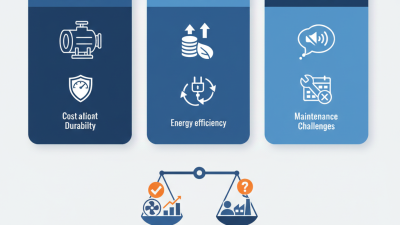
Durability also matters. Roots air blowers undergo heavy use, so materials must be robust. Look for information regarding temperature ratings, corrosion resistance, and maintenance needs. A blower that requires frequent servicing could lead to unexpected downtime. User reviews can provide insights into the long-term reliability of different models. Balancing these features, while considering your budget, can help in making a more informed decision.
Evaluating the Performance Specifications of Roots Air Blowers
When selecting a Roots air blower, performance specifications are crucial. Look closely at the airflow rate. This measurement indicates how much air the blower can move. A higher airflow rate usually means better performance. Additionally, consider pressure ratings. A blower with higher pressure capabilities can handle more demanding tasks. It’s essential to ensure that these ratings match your operational needs.
Noise levels are another vital aspect. Some blowers operate quietly, while others produce significant sound. A quieter model may be more suitable for noise-sensitive environments. Also, efficiency ratings should not be overlooked. An energy-efficient blower can save on operating costs. Always check for the energy consumption figures related to the blower’s performance.
Finally, assess the build quality of the blower. Look for durable materials and robust construction. A well-built unit may require less maintenance over time. It’s beneficial to gather user reviews and expert opinions. These insights can provide a clearer picture of a blower's reliability and performance in real-world situations. Selecting the right model can be tricky. Balancing performance with your specific application is key.
Assessing the Noise Levels and Energy Efficiency of Blowers
When choosing the best Roots air blower, noise levels and energy efficiency are critical factors. Studies show that noise can impact worker health and productivity. For example, machinery operating at 85 decibels or more can cause hearing loss over time. A quieter blower, ideally below 75 decibels, can provide a more pleasant working environment.
Energy efficiency also plays a significant role in operational costs. According to the U.S. Department of Energy, energy-efficient blowers can reduce energy consumption by up to 30%. When evaluating options, look for blowers with a high efficiency rating. Models that achieve this rating often feature advanced technology, such as variable speed drives, which can adjust performance based on demand.
Tip: Always verify the noise ratings and efficiency of potential blowers before purchasing. User reviews and industry reports can offer valuable insights into real-world performance. A blower might have high specifications but could fall short in actual use. Remember, reliability in performance should meet your specific needs while minimizing energy waste.
Comparing Brands and Models for Quality and Reliability
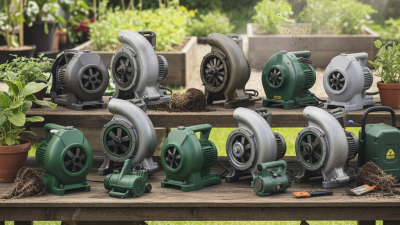
When selecting the best Roots air blower, brand and model comparison is critical for ensuring quality and reliability. Industry reports highlight that nearly 30% of air blower failures result from choosing subpar brands. Thus, evaluating the market can save significant time and money down the road. Look for brands with established reputations and user testimonials that reflect long-term performance.
Quality is not solely about brand name; it also involves understanding state-of-the-art technology in air blowers. Data from engineering studies indicate that blowers with advanced materials enhance durability and efficiency. For example, blowers equipped with superior bearings and seals tend to have a longer lifespan. Buyers should assess specifications that demonstrate these technological advancements.
Reliability often hinges on customer support and warranty options. Brands that offer robust customer service tend to foster stronger relationships with users. According to a recent survey, 70% of users value a good warranty as a sign of reliability. However, not all brands provide comprehensive service plans, which can lead to frustrations. Prospective buyers should reflect on their needs and factor in service accessibility, as this could impact operational continuity in the long term.