

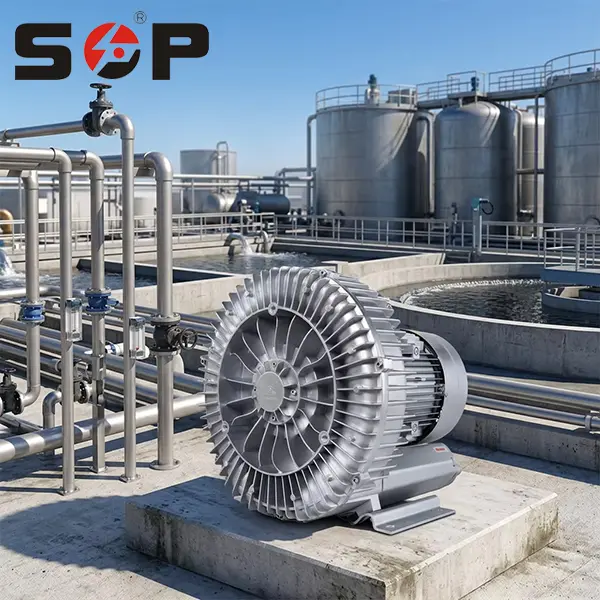
Roots Air Blowers: The Low-Cost Oxygenation Game-Changer Boosting Aquaculture Yields Across Southern China
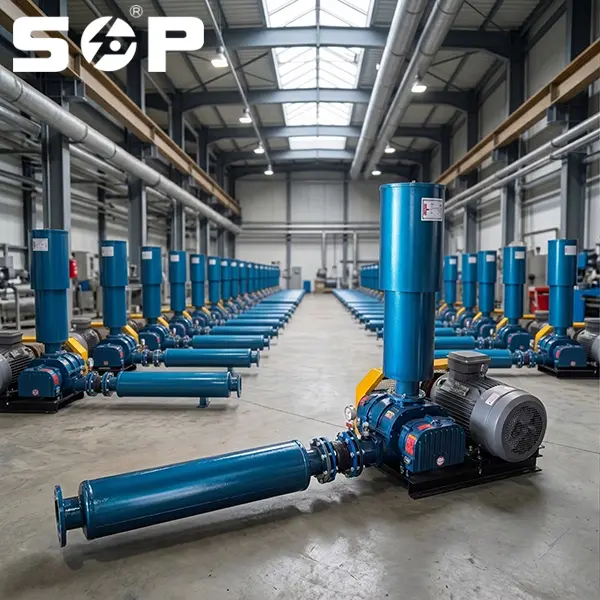
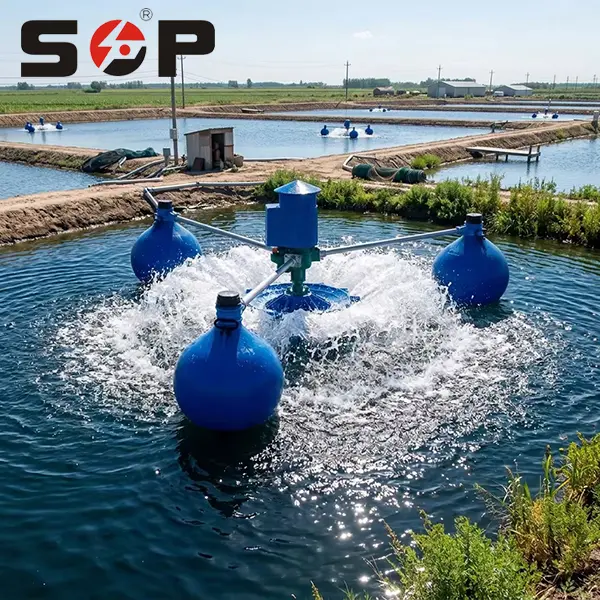
As tilapia and shrimp farms in Jiangxi and across southern China ramp up production to meet growing domestic seafood demand, many operators are ditching noisy, energy-hungry traditional aerators for a far more reliable solution: Roots air blowers. The shift isn’t just about cutting power bills — it’s directly translating to higher survival rates and bigger harvests.
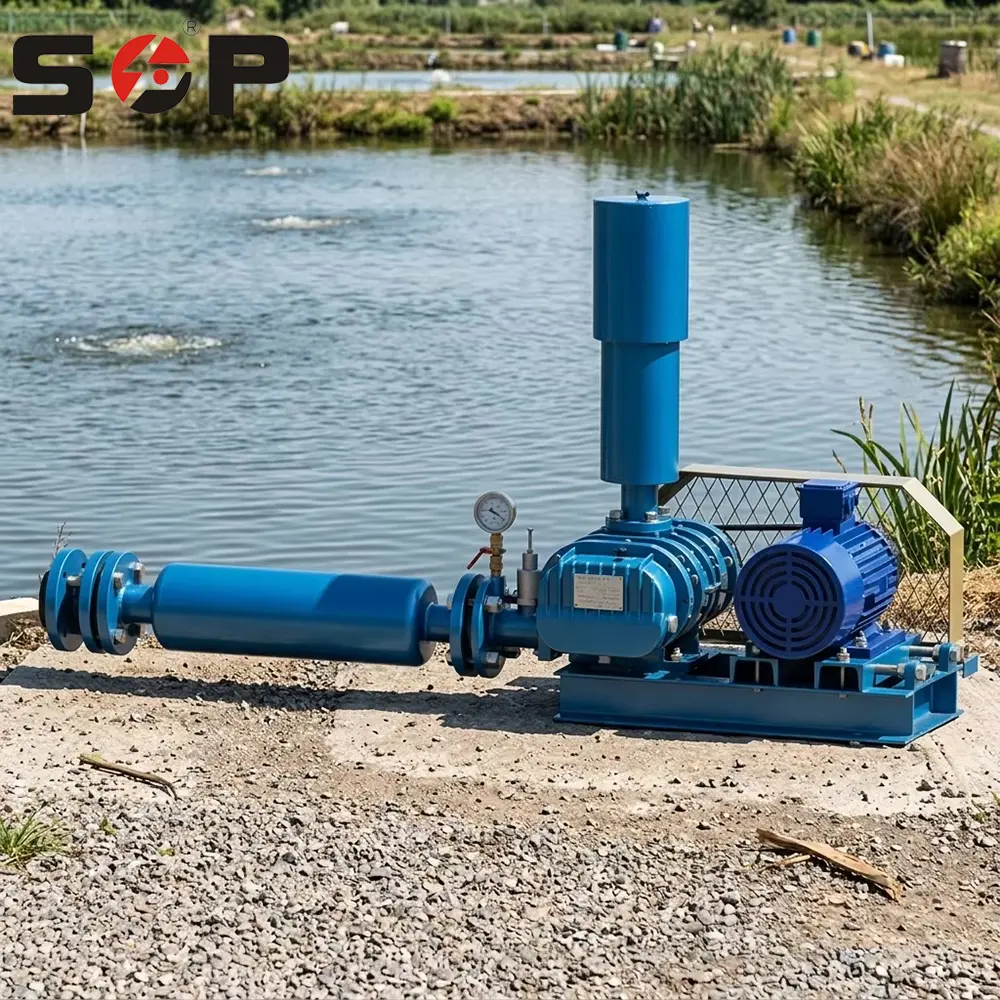
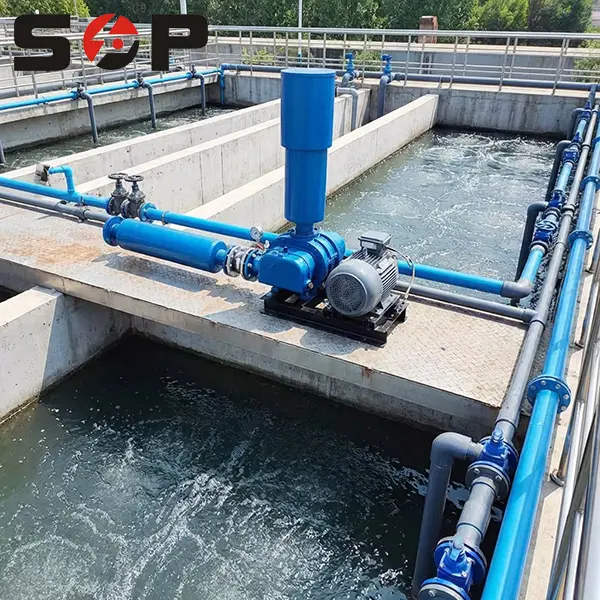
Unlike standard centrifugal aerators that struggle to push consistent air flow through long underwater pipelines, Roots blowers use their positive-displacement rotor design to deliver steady, unwavering air volume even when pond water depth or pipeline resistance shifts. That means every corner of the shrimp or fish pond gets the same level of dissolved oxygen, no dead zones left for low-oxygen stress to kill stock. Local farmers we spoke to in Ganzhou told us they’ve seen shrimp survival rates jump 18% within two months of switching, a massive difference for operations that used to lose 20% of their crop to overnight oxygen dips.
The energy savings are impossible to ignore too. Most small to mid-sized farms run their aeration systems 18 to 20 hours a day, and Roots blowers cut power consumption by 22% on average compared to old multi-stage centrifugal setups. With local electricity costs rising steadily, that adds up to thousands of yuan in annual savings for a single 5-acre pond.
Modern three-lobe Roots models have also fixed the old noise and vibration issues that plagued older generations. Farms near residential areas no longer deal with noise complaints, and the sealed IP55 motor housing shrugs off high humidity and pond spray without frequent breakdowns. As aquaculture operations face tighter profit margins and stricter food safety rules, this decades-old industrial technology is proving to be one of the most practical, high-return upgrades a farm can make right now.