2026 Top Inflatable Air Blower Buying Guide and Tips?
Inflatable Air Blowers have become essential tools in various industries, including events, recreation, and advertising. According to a market research report by Grand View Research, the global inflatable products market is expected to reach over $5 billion by 2026. This growth is largely driven by the increasing popularity of inflatable structures at festivals, fairs, and parties. However, selecting the right inflatable air blower can be overwhelming due to various options available.
When choosing an Inflatable Air Blower, it's crucial to understand the specifications and features that suit your needs. High-performance air blowers not only ensure quick setup but also maintain the inflatable's stability. Recent studies indicate that quality air blowers can reduce energy consumption by up to 30%, making them more efficient in the long run. Yet, many buyers overlook these efficiency ratings, leading to higher operational costs.
Investing in the best inflatable air blower requires careful consideration. It’s essential to assess the durability and warranty offered by the manufacturers. Failing to do so may result in unexpected outages and repair needs. By opting for a reliable product, users can ensure a seamless experience, whether it's for a vibrant outdoor event or a business promotion.
2026 Inflatable Air Blower Overview: Types and Applications
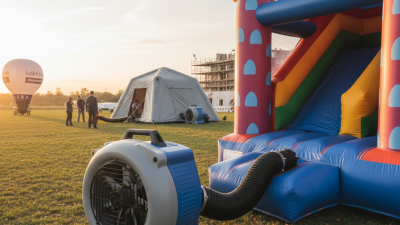
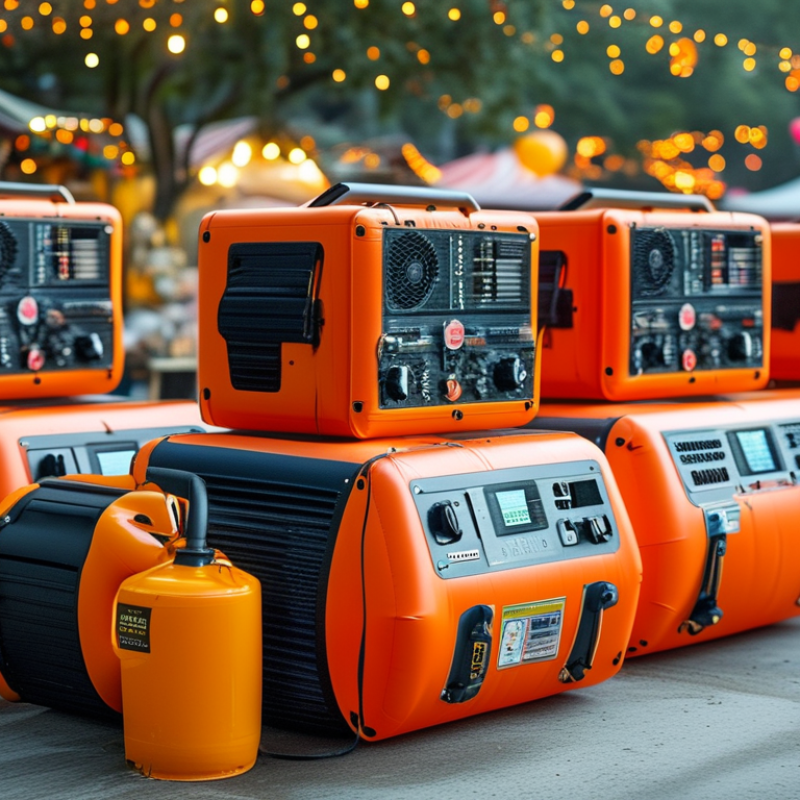
When considering inflatable air blowers, it’s essential to understand the variety of types available. Different models cater to distinct applications. Some are designed for commercial use, inflating large attractions like bounce houses or inflatable slides. Others are perfect for personal use, inflating smaller items like pool toys. Each type has unique features that affect performance and efficiency.
Proper maintenance can enhance the longevity of your air blower. Regularly check for leaks or wear and tear. Dust and debris can clog air intakes, reducing efficiency. Clean the blower regularly. A little attention can go a long way in ensuring reliable operation.
Choosing the right blower also depends on your needs. For outdoor events, consider a model with more power to withstand wind. Indoor applications might need quieter options. Think about where you will use it most. Being mindful of these aspects ensures a better fit for your requirements. Make decisions thoughtfully and reflect on your experiences to guide future purchases.
Key Features to Consider When Buying Inflatable Air Blowers
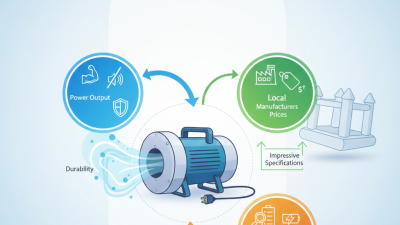
When considering an inflatable air blower, several key features stand out. Look for the blower's power capacity, measured in watts or horsepower. A higher power capacity often means more efficient inflation. Check flow rates as well; they indicate how quickly the blower can fill your inflatable. A flow rate of at least 700 CFM is common for larger items.
Durability is another critical feature. Choose blowers made with high-quality materials that can withstand wear and tear. Read reviews to understand other users' experiences. Sometimes, items appear perfect but fail during peak use. Portability adds value, so consider weight and design. Compact blowers may save space but could sacrifice power.
Lastly, think about noise levels. Some blowers can be quite loud, which may not suit all settings. Always reflect on where you plan to use it. If noise is a concern, look for quiet models. It's essential to balance features and your specific needs. Each choice impacts your overall satisfaction. Making a list of your priorities can streamline this process and make decision-making easier.
Industry Insights: Market Trends and Top Brands for 2026
The inflatable air blower market is poised for remarkable growth in 2026. According to industry reports, the global market is projected to reach approximately $2.5 billion. This growth is fueled by the increasing popularity of inflatable attractions at events and parties. Consumers are looking for efficient and reliable options, making performance a key factor in purchasing decisions.
Market trends indicate a shift towards eco-friendly materials. Many manufacturers are adopting sustainable practices and reducing their carbon footprint. The demand for lightweight and energy-efficient blowers is also rising. In 2025, over 40% of buyers expressed a preference for energy-saving options. This has affected product designs significantly, with many brands focusing on energy consumption in their specifications.
While the market is booming, not all products meet user expectations. Some blowers struggle with durability under continuous use. Additionally, noise levels can be a concern for consumers. Inconsistent performance across different temperatures is another issue noted in several product reviews. As buyers weigh their options, they should carefully consider these aspects to ensure they choose a blower that aligns with their needs.
2026 Top Inflatable Air Blower Buying Guide and Tips
| Model |
Airflow (Cubic Feet Per Minute) |
Power (Watts) |
Weight (lbs) |
Price Range (USD) |
| Model A |
450 |
600 |
15 |
$200 - $250 |
| Model B |
500 |
700 |
12 |
$250 - $300 |
| Model C |
600 |
800 |
20 |
$300 - $350 |
| Model D |
700 |
900 |
18 |
$350 - $400 |
Safety Standards and Regulations for Inflatable Air Blower Use
Safety is paramount when using inflatable air blowers. Various safety standards govern their design and operation. These regulations help protect users from accidents and injuries. Ensuring compliance with these standards prevents hazardous situations. Such standards often include guidelines for electrical safety, material quality, and operational procedures.
Proper training is essential for anyone handling inflatable equipment. Users should understand how to set up and monitor air blowers effectively. Regular inspections can identify wear and tear. Equipment that shows signs of damage should be repaired or replaced promptly. Non-compliance can lead to serious repercussions, including property damage or personal injury.
Additionally, maintaining safe distances from obstacles and ensuring proper anchoring are critical. Users must be aware of weather conditions. High winds can pose significant risks. Practicing vigilance is key. These safety measures not only protect users but also enhance the overall experience. Investing time in education can yield long-term benefits.
Maintenance Tips for Prolonging the Lifespan of Air Blowers
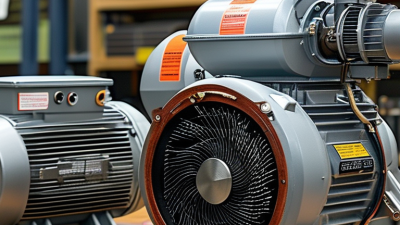
Proper maintenance is essential for prolonging the lifespan of inflatable air blowers. Regular cleaning is necessary. Dust and debris can accumulate inside the fan, reducing efficiency. Use a damp cloth to wipe down the exterior and a brush for the vents. Ensure the blower is turned off and unplugged during cleaning. This simple step can boost performance and extend its life.
Inspecting the blower regularly is crucial. Look for wear and tear or any loose connections. Cracks in the casing can lead to airflow issues. Replacing worn parts promptly is wise. It prevents further damage and ensures consistent performance during use. Consider storing your blower in a cool, dry place to avoid temperature-related issues.
Finally, be mindful of how you use the blower. Overloading it or running it for extended periods can cause strain. Give it breaks during heavy usage. Listening for unusual noises can provide early warnings of potential problems. Treating your air blower with care will lead to better performance and longevity.