7 Best High Pressure Regenerative Blower Suppliers
Selecting the right High Pressure Regenerative Blower is rarely a simple price comparison. A blower may look compact on a catalog page, yet behave differently beside a dusty filter, a hot kiln, or a long pneumatic line. Airflow, pressure, vacuum depth, noise, temperature rise, and motor efficiency must be checked at the actual duty point.
Energy deserves close attention. The International Energy Agency reports that electric motor systems account for more than 40% of global electricity consumption. The U.S. Department of Energy also emphasizes system-level evaluation, because throttling, leaks, poor pipe sizing, and unnecessary pressure can waste substantial energy. These findings make supplier engineering support as important as the blower itself. A reliable vendor should provide performance curves, operating limits, motor data, maintenance guidance, and clear warranty terms.
This guide examines seven leading High Pressure Regenerative Blower suppliers through practical purchasing criteria. The comparison considers pressure stability, airflow range, construction quality, acoustic control, controls compatibility, delivery capability, and after-sales service. Relevant technical expectations are aligned with guidance from AMCA publications, ISO 1217 measurement principles, and U.S. DOE fan-system resources. Application evidence matters more than polished claims.
The ranking is not flawless. Regional service can change the result. A lower-cost unit may also become expensive when downtime, heat, or replacement filters are ignored. Buyers should verify every published curve under comparable conditions. Small details matter. Look for the operating point, not the headline specification.
What Is a High-Pressure Regenerative Blower?
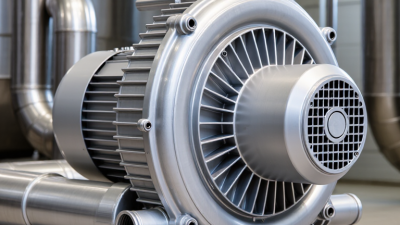
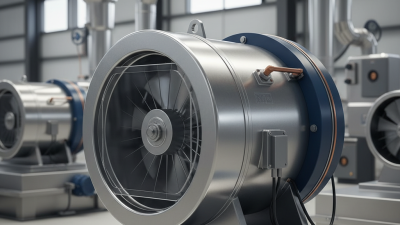
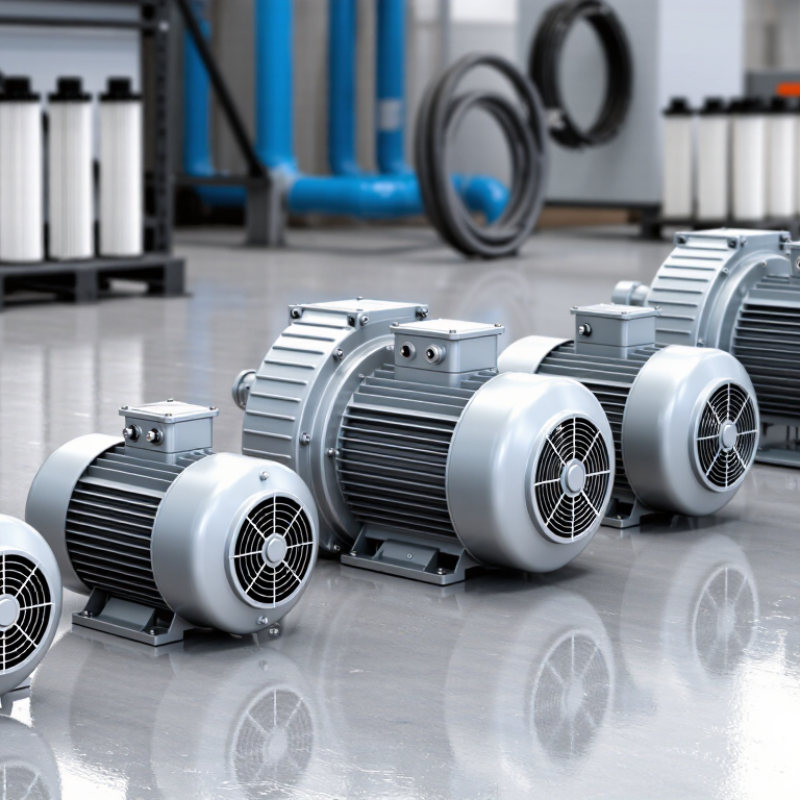
A high-pressure regenerative blower is a centrifugal air-moving machine that raises pressure through repeated gas circulation. An impeller spins inside a specially shaped side channel. Air enters near the hub, accelerates along the blade tips, and returns through the channel many times. Each pass adds energy. The result is steady pressure without the pulsation typical of many positive-displacement systems.
It is not simply a larger fan. A regenerative blower can support pneumatic conveying, wastewater aeration, vacuum lifting, packaging equipment, and air knives. Its compact housing usually contains no contact between the impeller and compression chamber, reducing routine oil contamination concerns. However, “oil-free” should be checked carefully. Bearing design, seals, and installation conditions still affect air quality.
In operation, the machine produces noticeable heat and a continuous operating sound. Pressure, airflow, motor power, altitude, and duty cycle must match the application. A blocked filter can quickly raise temperature and shorten service life. I have seen specifications compared only by maximum pressure, which is a weak method. Real performance depends on pressure at the required airflow. That detail is easy to miss. Suppliers should provide performance curves, noise data, thermal limits, and maintenance guidance. Some systems still need a relief valve, inlet filter, or cooler, especially during long shifts.
How to Evaluate Regenerative Blower Suppliers
7 Best High Pressure Regenerative Blower Suppliers
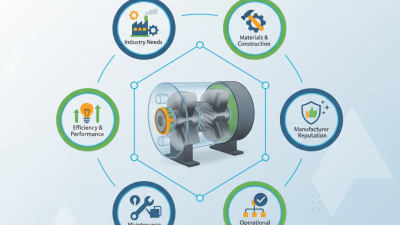
How to Evaluate Regenerative Blower Suppliers
A reliable supplier should provide tested performance curves, not attractive catalogue numbers. Check airflow, pressure, vacuum, motor power, noise, and temperature at your actual operating point. Ask whether testing follows a recognized method, such as AMCA 210. Curves should show tolerances clearly. Small gaps matter.
The U.S. Department of Energy’s Improving Compressed Air System Performance sourcebook reports that leakage can waste 20–30% of system output. This makes service support more important than a low purchase price. Ask suppliers for leak-testing guidance, filter replacement intervals, bearing-life data, and response times for spare parts. Request a written duty-point confirmation. Verbal promises are weak evidence.
Experience also appears in installation details. A capable supplier will question undersized piping, restricted inlet filters, hot rooms, and frequent starts. Compare motor efficiency data with applicable IEC requirements, then calculate annual energy use from your operating hours. A blower that costs less may consume more electricity for years. That mistake is common. Do not ignore sound levels, either; a test room can hide the sharp noise heard beside a production line. Supplier references, documented quality controls, and traceable test records strengthen credibility. Still, even good reports have limits. Your site conditions may differ. Verify them before ordering.
7 Best High Pressure Regenerative Blower Suppliers: How to Evaluate Regenerative Blower Suppliers
Use the following neutral procurement weighting model to compare high-pressure regenerative blower suppliers. The percentages represent the relative importance of common purchasing criteria and total 100%.
Evaluation guidance: Prioritize pressure and airflow performance first, then assess energy efficiency, reliability, noise, technical support, and compliance documentation against the requirements of your application.
Key Features of the Top Seven Suppliers
The seven strongest high pressure regenerative blower suppliers share a practical focus: stable pressure, dependable airflow, and clear technical support. Their product ranges usually cover single-stage and multi-stage designs for pneumatic conveying, wastewater aeration, vacuum lifting, and packaging equipment. Buyers should check operating curves, not impressive maximum figures. A blower may reach high pressure only at very low airflow.
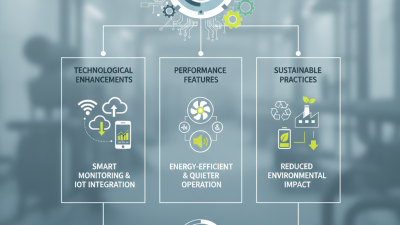
Efficient suppliers use balanced impellers, robust aluminum or cast housings, and sealed bearings suited to continuous duty. Several offer thermal protection, inlet filters, pressure relief valves, and low-noise enclosures. These details matter beside a factory floor. Heat around a motor can shorten service life quickly. Some suppliers also provide IE3 motors, variable-frequency drive compatibility, and tested acoustic data. Testing methods should be explained clearly. Vague performance tables deserve questions.
The best seven also stand out through engineering service. They help size the blower from actual pressure loss, pipe length, elevation, and material behavior. Custom flanges, special coatings, and compact mounting options can simplify installation. Responsive suppliers provide drawings, manuals, spare-part lists, and commissioning guidance before shipment. Lead times and warranty terms should appear in writing. No supplier is perfect. One may offer excellent efficiency but limited customization, while another may provide fast support with higher energy use. Field references, inspection records, and honest limitations reveal more than polished sales language.
Applications and Industries Served by These Suppliers
High pressure regenerative blower suppliers serve industries where steady, oil-free airflow matters. Wastewater treatment plants use these blowers for aeration tanks, where oxygen must reach microorganisms continuously. Aquaculture facilities also depend on stable airflow for fish tanks and biological filtration systems. In pneumatic conveying, blowers move powders, pellets, and lightweight materials through enclosed pipes. Their compact design helps save valuable floor space.
Manufacturers supply equipment for packaging, printing, textile production, and paper processing. Packaging lines use controlled air for suction, drying, and product handling. Textile facilities apply airflow to remove lint and support fabric movement. In food processing, hygienic materials and careful filtration are essential. Small pressure losses can still reduce output. That detail is often underestimated.
Tips:
Match airflow and pressure requirements before choosing a blower. Ask suppliers for performance curves, noise data, motor efficiency, and service intervals. Check the operating temperature and installation altitude. A blower running near its limit may consume more energy and wear faster. Regularly inspect filters, connections, and cooling passages. Field conditions rarely match catalog conditions perfectly, so leave a practical safety margin.
How to Select the Right Supplier for Your Needs
Selecting among the 7 best high pressure regenerative blower suppliers requires more than comparing catalog prices. Start with your actual operating point: airflow, pressure, altitude, gas temperature, duty cycle, and acceptable noise. A blower rated for 700 mbar may deliver far less air at that pressure. Ask suppliers for certified performance curves, not marketing estimates. AMCA Publication 210-22 provides recognized methods for testing fan airflow and pressure, while ISO 13349 supports consistent terminology for fan and blower specifications.
Energy deserves serious attention. The U.S. Department of Energy’s fan-system guidance indicates that fan systems can represent about 10% of industrial electricity consumption. Therefore, request motor efficiency data, input power at your duty point, and expected annual energy use. A slightly higher purchase price may create lower operating costs. However, I would still question optimistic savings calculations. They often ignore filter loading, leakage, maintenance, or seasonal demand. Supplier reliability also depends on local service, spare-parts availability, warranty response, and documented installation support.
Tips:
Send every supplier the same duty-point sheet. Check independent test evidence. Request two customer references with similar applications. Compare five-year ownership cost, not only purchase price. Listen for clear answers about surge protection, bearing life, vibration limits, and thermal protection. A useful supplier should explain compromises plainly, even when the answer is inconvenient.