Top Benefits of Using Floating Pump Aerator for Efficient Water Management?
In the evolving realm of water management, the use of a "Floating Pump Aerator" stands out as a key innovation. Dr. Emily Carson, a prominent expert in aquatic systems, emphasizes its importance: "Floating Pump Aerators transform stagnant water into vibrant ecosystems." This technology enhances oxygen levels and aids in efficient water circulation, crucial for maintaining healthy water bodies.
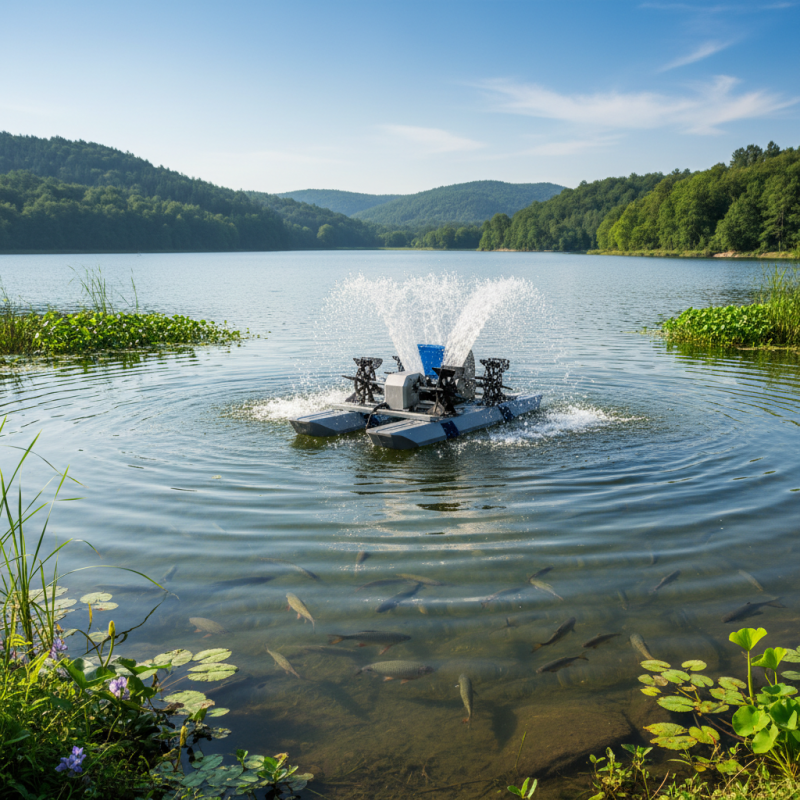
The Floating Pump Aerator operates effortlessly on the water's surface, making it adaptable to various environments. Its ability to aerate water while pumping it is vital for lakes, ponds, and reservoirs suffering from low oxygen levels. Such systems can prevent issues like algae blooms and fish kills. However, selecting the right model requires careful consideration of specific environmental needs.
Despite its advantages, challenges remain. Maintenance is essential, and there can be issues related to power supply. Awareness of these factors is important for maximizing efficiency. A thoughtful approach ensures the Floating Pump Aerator can deliver on its promise of sustainable water management while adapting to diverse ecological conditions.
Overview of Floating Pump Aerators in Water Management
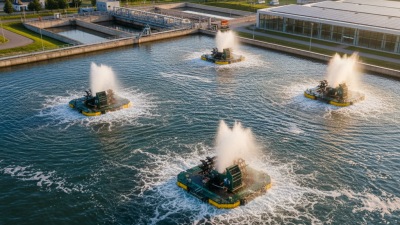
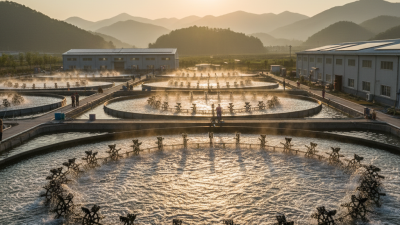
Floating pump aerators play a vital role in modern water management practices. These devices improve water quality by introducing oxygen into the water. This process is crucial for aquatic life and helps combat algae growth. By circulating water, floating pump aerators maintain balanced ecosystems. They are often used in ponds, lakes, and waste treatment facilities.
Their versatility stands out in various applications. In agriculture, they enhance irrigation by ensuring even distribution of oxygen. This can lead to healthier crops and increased yields. In urban areas, they help maintain stormwater systems, preventing stagnation and foul odors.
Despite their advantages, challenges remain. The installation and maintenance can be costly. Additionally, their effectiveness depends on weather conditions. Periods of low wind can reduce their performance. Understanding these limitations is essential for effective water management.
Each application demands careful consideration of specific needs and local conditions.
Key Environmental Benefits of Floating Pump Aerators
Floating pump aerators play a vital role in enhancing water quality. They improve oxygen levels in water bodies. This leads to healthier aquatic ecosystems. The introduction of sufficient oxygen helps to support fish and other aquatic life. It's a simple yet impactful solution for lakes and ponds.
Moreover, floating pump aerators reduce harmful algae blooms. These blooms are often a result of nutrient overload. By keeping the water circulating and aerated, harmful substances are diluted. This helps in maintaining the balance within the ecosystem. The benefits extend to recreational water use, too.
However, not every situation is perfect. Some floating pump aerators require regular maintenance. If neglected, they may lose efficiency. This is a critical aspect often overlooked. Thus, ensuring their proper operation is essential for sustained benefits.
Top Benefits of Using Floating Pump Aerator for Efficient Water Management
| Benefit |
Description |
Environmental Impact |
Usage Efficiency |
| Enhanced Oxygenation |
Promotes the dissolution of oxygen in water, benefitting aquatic life. |
Reduces fish mortality, supports biodiversity. |
Increases efficiency in maintaining water quality. |
| Algae Control |
Helps to reduce algal bloom formation through better aeration. |
Maintains cleaner water sources, improving habitat. |
Minimizes the need for chemical treatments. |
| Cost-Effectiveness |
Lower operational costs compared to traditional aeration methods. |
Promotes sustainable resource use. |
Provides long-term savings in water management. |
| Versatility |
Can be used in various water bodies including lakes, ponds, and reservoirs. |
Adapts to diverse ecological conditions. |
Easily tailored to meet local environmental needs. |
| Ease of Installation |
Quick installation process requiring minimal infrastructure. |
Less disturbance to aquatic ecosystems during setup. |
Rapid deployment allows for immediate benefits. |
Efficiency in Energy Consumption and Cost Savings
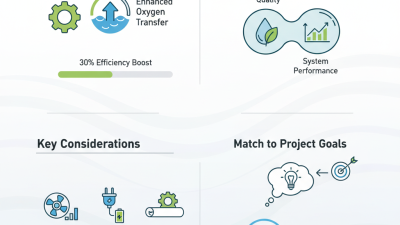
The floating pump aerator has gained attention for its energy-efficient operation. A recent industry report indicates that these systems can reduce energy consumption by up to 30% compared to traditional aeration methods. This is crucial for facilities looking to lower their operational costs while still maintaining optimal water quality. As energy prices continue to rise, the economic benefits of using a floating pump aerator become increasingly evident.
Additionally, the maintenance costs of floating pump aerators tend to be lower. With fewer mechanical parts exposed to wear and tear, organizations have reported savings on repairs and replacements. A 2022 study highlighted that facilities using floating pump aerators experienced a 20% decrease in annual maintenance expenses. This is significant for budget-conscious operations, where every dollar saved contributes to overall efficiency.
However, it’s important to acknowledge that not all installations will see the same results. Factors such as water quality and environmental conditions can impact performance. Some users have noted inconsistent aeration levels during severe weather events. This calls for ongoing assessment and optimization of aerator setup. Balancing initial investment costs with long-term savings requires careful consideration and adaptability to specific operational needs.
Top Benefits of Using Floating Pump Aerator for Efficient Water Management
This bar chart illustrates the key benefits of using floating pump aerators for water management, rated on a scale of 1 to 10. It highlights energy efficiency, cost savings, reduction in algal blooms, improved oxygen levels, and enhanced water clarity as significant advantages.
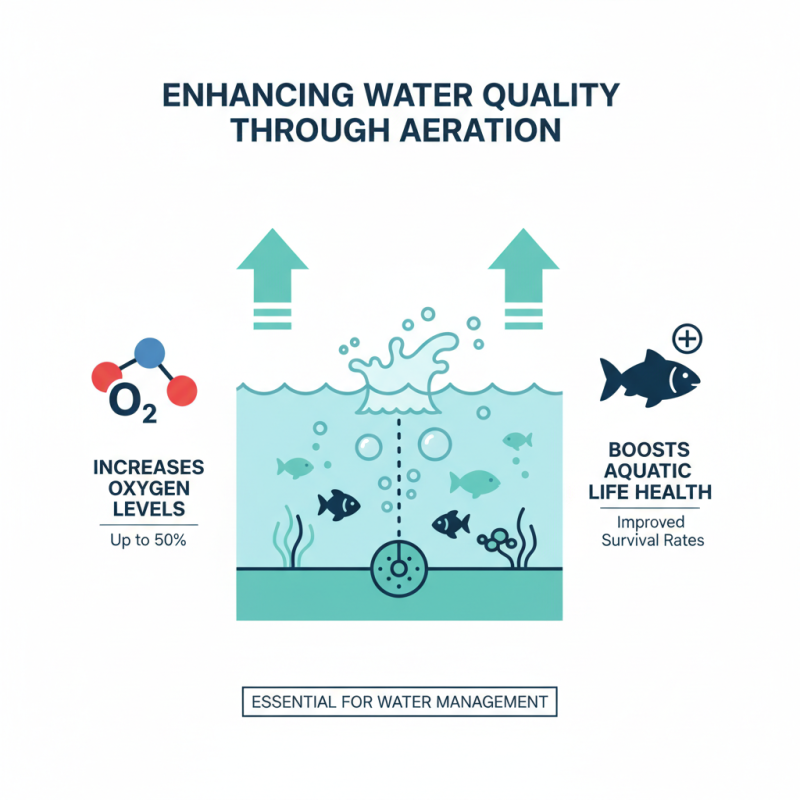
Enhancing Water Quality Through Aeration
Aeration plays a crucial role in water management. It improves water quality by increasing oxygen levels in aquatic environments. This process is essential for the health of fish and other organisms. According to industry reports, aeration can increase dissolved oxygen by up to 50%, significantly enhancing the survival rates of aquatic species.
In many cases, stagnant water leads to algae blooms and reduced water quality. Floating pump aerators can help combat these issues effectively. They create turbulence on the water surface, allowing for better gas exchange. Research indicates that managing dissolved oxygen levels can lead to a 30% reduction in fish mortality rates. This data highlights the necessity of maintaining healthy oxygen levels for sustainable ecosystems.
However, managing these systems isn't without its challenges. Users must monitor aerator performance regularly. Any malfunction can lead to rapid declines in water quality. It's essential to balance aeration with environmental factors, like temperature and nutrient load. Continuous oversight is necessary to ensure water bodies thrive.
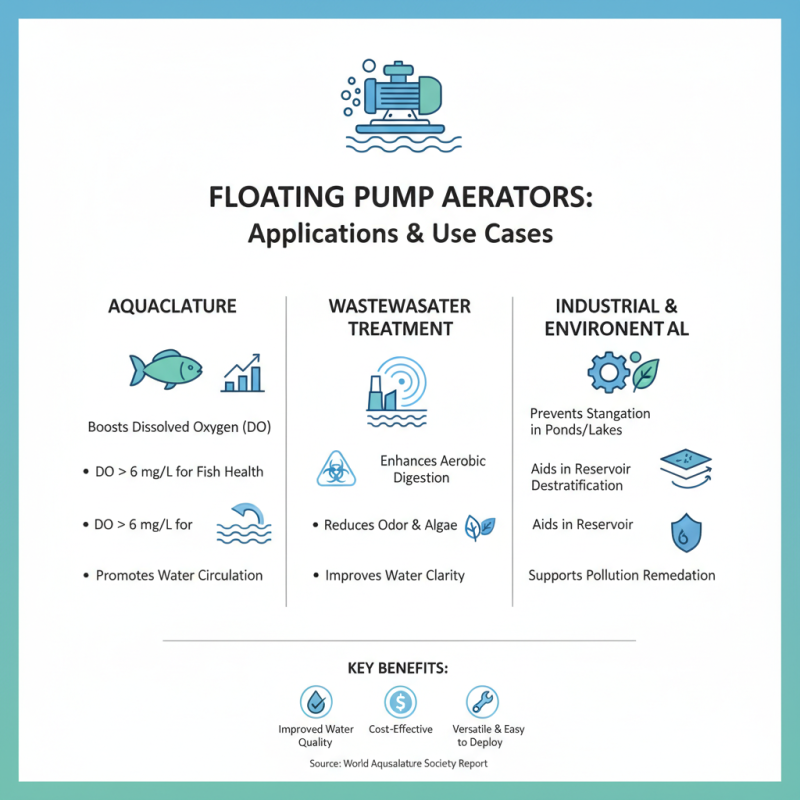
Applications and Use Cases of Floating Pump Aerators
Floating pump aerators are increasingly vital in water management. They offer versatility across various applications, serving both environmental and industrial needs. In aquaculture, for instance, data indicates that dissolved oxygen levels can drop significantly. This can hamper fish health and growth. According to a report by the World Aquaculture Society, maintaining oxygen levels above 6 mg/L is crucial for optimal production. Floating pump aerators help achieve this by promoting water circulation and mixing.
In urban areas, floating pump aerators also support stormwater management. They prevent stagnation and enhance water quality. Research shows that stagnant water often harbors pathogens and harmful algal blooms. The Environmental Protection Agency (EPA) emphasizes the importance of aeration in these contexts. Implementing aerators can decrease the risk of public health issues while improving local ecosystems.
These systems aren't without their challenges. They require regular maintenance to ensure efficiency. Neglecting this can lead to subpar performance. Additionally, energy consumption is a consideration, raising questions about sustainability. Balancing operational benefits with environmental impact remains a critical task for users. As the need for effective water management grows, the role of floating pump aerators will likely expand.