Best Side Channel Air Blower for Global Buyers in 2026?
In the evolving landscape of industrial machinery, the Side Channel Air Blower is a crucial component. Its efficiency and versatility drive various applications, from waste water treatment to pneumatic conveying systems. According to a report by MarketsandMarkets, the global air blower market is expected to reach approximately $10 billion by 2026. This indicates a steady growth trend, particularly in sectors relying on advanced air movement solutions.
Side Channel Air Blowers, in particular, have gained traction due to their ability to provide a consistent vacuum and pressure. These blowers work on the principle of side channel technology, which ensures optimal performance with minimal energy consumption. As industries aim for increased efficiency, choosing the right blower becomes imperative. With so many options available, buyers must navigate through various specifications and features to find the ideal model.
However, potential buyers must remain aware of the challenges that come with selecting a Side Channel Air Blower. While looking for efficiency and reliability, it is vital to consider factors like maintenance costs and compatibility with existing systems. Each decision impacts overall performance. As we look ahead to 2026, understanding these considerations will be essential for making informed purchasing decisions.
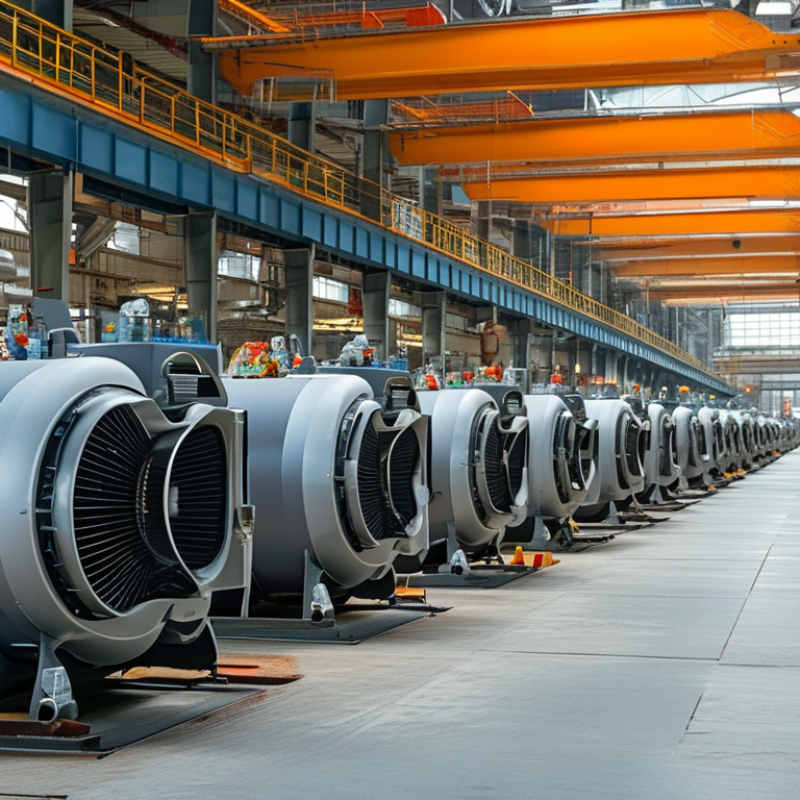
Best Side Channel Air Blowers Overview for Global Markets in 2026
The global demand for side channel air blowers is on an upward trend as industries seek effective solutions for various applications. According to a recent market analysis, the side channel blower market was valued at approximately $800 million in 2023 and is projected to grow by 7% annually through 2026. This growth can be attributed to their versatility in sectors like wastewater treatment, pneumatic conveying, and material handling.
Side channel air blowers are praised for their efficiency and reliability. Users favor them for low maintenance and high performance. The ability to generate a strong vacuum or pressure with minimal noise is a distinct advantage in various applications. However, some challenges remain. Cost fluctuations in key materials can impact pricing and availability. This may deter smaller businesses from investing in these systems.
The increasing use of automation across industries also affects demand patterns. Companies are aiming to optimize productivity, which can lead to mixed results. While larger companies may benefit from the latest technologies, smaller firms may struggle to adapt. This competitive landscape presents both opportunities and challenges, emphasizing the need for stakeholders to reassess strategies continuously.
Key Applications of Side Channel Air Blowers Across Industries
Side channel air blowers play a vital role across various industries. They are widely used in cooling systems, pneumatic conveying, and vacuum generation. In manufacturing, these blowers can effectively remove debris and dust. Their reliability makes them indispensable for maintaining production line efficiency.
In the automotive sector, side channel air blowers ensure proper ventilation and air circulation. They help in cooling electronic components and preventing overheating. Moreover, these blowers support various applications in waste water treatment facilities. They aid in aeration processes that promote bacterial growth necessary for waste decomposition.
Details matter. When selecting a blower, consider CFM ratings and pressure capabilities. Evaluate the environment where the blower will be used. Noise levels can also impact operations. Sometimes, the perfect model may have limitations in performance or durability. Ensure to assess maintenance requirements too, as neglect can lead to inefficiencies.
Top Features to Consider When Selecting a Side Channel Air Blower
When selecting a side channel air blower, key features are crucial. The performance metrics, such as airflow rate and pressure capabilities, should top your list. Evaluate models that align with your specific application needs. Pay attention to motor efficiency as well. More efficient models reduce energy costs over time.
Noise levels matter too. Many industries prioritize quieter operation. If the blower will be in a populated area, this becomes even more important. Also, consider the material quality. A robust build often leads to a longer lifespan. It’s wise to reflect on your long-term needs.
Serviceability is another aspect not to overlook. Some blowers are easier to maintain than others. A complicated design may hinder timely repairs. Think about the availability of replacement parts as well. This can impact operational downtime. Balancing all these factors often requires careful consideration.
Leading Manufacturers of Side Channel Air Blowers in 2026
In 2026, the landscape of side channel air blowers is evolving rapidly. Numerous manufacturers are stepping up their game in response to growing global demand. These devices are crucial for industries needing efficient air movement. Users seek reliability and high performance. However, not every product offers both.
Leading manufacturers in this field often emphasize innovation. They invest significantly in research and development. A focus on energy efficiency is common. Some designs might fail to meet expected standards in certain conditions. It's vital for buyers to consider specific applications. Factors like noise levels and maintenance requirements can vary significantly. An informed decision can prevent future dissatisfaction.
Quality assurance remains a critical consideration. Established brands provide rigorous testing for their products. However, emerging companies may lack this consistency. Understanding the manufacturer's reputation can guide buyers. Reviews and professional opinions are invaluable resources. Balancing cost and performance is essential in the selection process.
Market Trends and Future Outlook for Side Channel Air Blowers
The market for side channel air blowers is evolving rapidly as we approach 2026. Growing industrial applications show a need for efficient and low-noise solutions. Diverse sectors are focusing on reliability and performance in blower systems. Consumers want products that ensure sustained air flow with minimal energy consumption. As more industries shift towards sustainability, innovations in design and manufacturing are likely to arise.
For potential buyers, understanding current trends is crucial. Research into energy-efficient models will be beneficial. Look for blowers that provide redundancy. This prevents downtime and enhances overall productivity. Buyers should also investigate local regulations regarding noise levels. These stipulations can affect installation site choices.
Investing in the right side channel air blower is a significant decision. Spending time on comparison can lead to better choices. Keep in mind the after-sales service offered by manufacturers. Support can often be as critical as performance. By evaluating diverse options, you can identify the best fit for your needs. Consider reaching out to industry experts for insights. Their experience can deliver valuable guidance in your purchasing journey.