Choosing the right equipment can be challenging. When it comes to a High Pressure Regenerative Blower, expert insights are invaluable. John Smith, a veteran in blower technology, once said, “Understanding your needs is the first step in selecting the right blower.”
These blowers are crucial for various applications, including industrial and environmental processes. They efficiently provide air supply and vacuum, making them essential in many industries. However, potential buyers often face confusion over the specifications and features available. Misjudging your requirements could lead to performance issues. It’s important to evaluate the flow rate, pressure, and energy efficiency of the blower before making a decision.
When selecting a High Pressure Regenerative Blower, consider the specific operational environment. Factors like temperature, humidity, and space constraints can greatly influence your choice. Moreover, not all blowers are created equal. Users should be wary of claims that seem too good to be true. A reliable blower can significantly enhance productivity, but understanding its capabilities is key to avoiding regrets later.
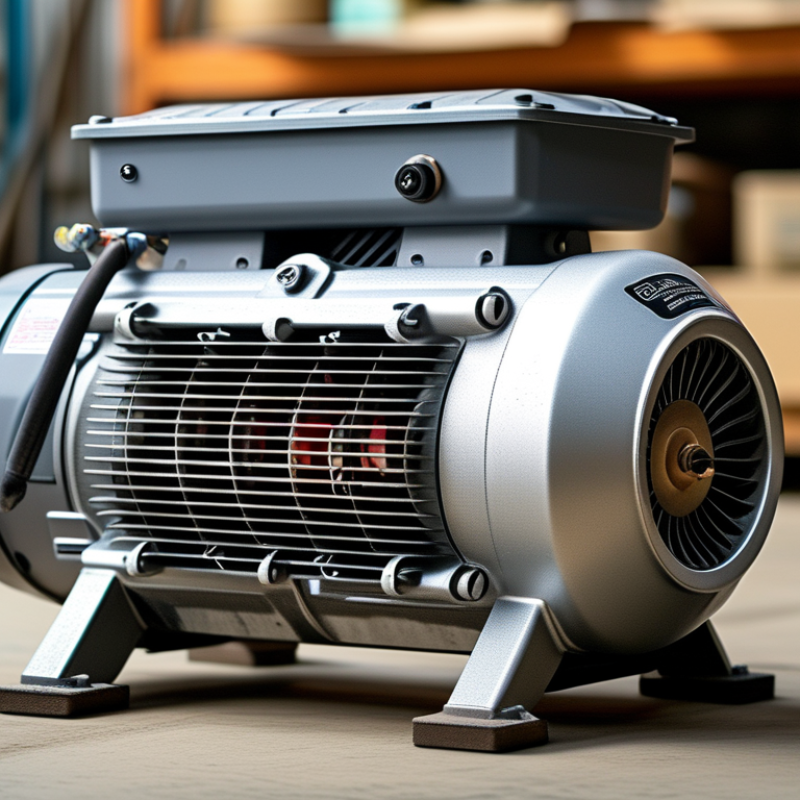
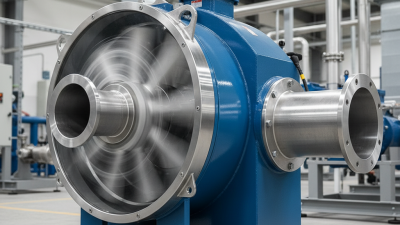
High pressure regenerative blowers play a crucial role in various industrial applications. Understanding their basics is essential for making informed choices. These blowers are designed to efficiently move air or other gases at higher pressures, typically ranging from 5 to 10 psi. Many industries report that these blowers provide significant energy savings, attributed to their compact design and low maintenance requirements.
Not all regenerative blowers are created equal. Their performance can vary based on construction materials and design efficiencies. Research suggests that blowers made from high-quality aluminum last longer and are less prone to wear and corrosion. A recent industry report indicated that adopting high pressure regenerative blowers can lead to up to a 30% reduction in energy consumption. It's important to assess suction capacity and airflow rates, which typically range from 50 to 600 CFM, to match the blower to specific needs.
It's also vital to consider noise levels and vibration metrics, especially for indoor applications. Noise can exceed 80 dBA in some cases. Standard decibel levels can impact operator comfort and safety. Manufacturers are increasingly focusing on acoustic performance, but users should remain vigilant about these factors. Regular maintenance checks must be conducted. This approach ensures optimal performance and extends the lifespan of these essential devices.
Regenerative blowers play a crucial role in various industries. Their ability to provide consistent airflow makes them ideal for applications such as material handling, pneumatic conveying, and wastewater treatment. In fact, recent studies indicate that regenerative blowers account for approximately 30% of the market share in industrial air movement equipment. This underscores their significance in many manufacturing processes.
One key application is in the food and beverage industry. Regenerative blowers are used for packaging, conveying, and cooling products. They ensure a clean, dust-free environment. In wastewater treatment, they help aerate tanks effectively. A reliable airflow can significantly impact the efficiency of these systems.
Tip: Always assess your specific needs before choosing a blower. Consider factors such as airflow capacity and pressure requirements.
Another vital industry is electronics manufacturing. Here, blowers assist in cooling and component handling. Their ability to minimize contaminants is critical. However, understanding the limitations of various models is essential. Not every solution fits every scenario.
Tip: Consult with technical experts to determine the best fit for your applications. This can help avoid pitfalls in efficiency and cost.
The versatility of regenerative blowers across multiple sectors highlights their importance. Selecting the right model requires a thorough analysis of application requirements. Every decision carries weight in performance and operational efficiency.
When selecting a high pressure regenerative blower, several factors require careful consideration. These blowers are vital in industries ranging from wastewater treatment to pneumatic conveying. Understanding your application’s specific airflow and pressure requirements is essential. Reports indicate that blowers must often deliver pressures between 2.5 to 8 psi for optimal performance.
Efficiency ratings differ. The best options typically have an efficiency range of 60-75%. Assessing noise levels is also crucial. Many industrial applications prefer models under 75 dB to ensure a comfortable working environment. Investing in a blower with low vibration can enhance longevity and reduce maintenance costs.
Tip: Identify your system's most demanding airflow needs before making a decision. Performance parameters can significantly vary between models. Be wary of specifications. They can sometimes be misleading and not reflect real-world performance. Consulting with experts can help clarify these details. Always consider the total cost of ownership, including energy consumption, service frequency, and replacement parts. A little research can prevent costly mistakes. Choosing wisely means analyzing all aspects thoroughly.
When selecting a high-pressure regenerative blower, performance specifications are crucial. Start by assessing the required airflow rate. This determines the blower's capacity and efficiency in your application. Consider the specific area where it will be installed. Limited space may necessitate a compact design while maximizing functionality.
Next, evaluate the maximum pressure the blower can deliver. This specification greatly affects its suitability for your needs. A higher pressure rating can enhance performance in demanding environments. However, it might also lead to increased energy consumption. Balance between operational costs and performance gains is vital for long-term success.
Don't overlook noise levels. In many settings, loud equipment can be a distraction. Understanding noise output helps ensure compliance with workplace regulations. Additionally, analyze the blower's energy efficiency ratings. Investing in a blower with superior energy performance can reduce operating costs. It's essential to weigh these specifications against your operational needs for optimal results.
| Specification | Value | Importance |
|---|---|---|
| Air Flow Rate | 100 - 500 CFM | Critical |
| Max Pressure | 5 - 10 PSI | High |
| Operating Temperature | -10 to 40 °C | Medium |
| Noise Level | < 85 dB | Medium |
| Power Supply | 220 - 460 V, 3 Ph | Critical |
| Weight | 50 - 150 lbs | Low |
| Maintenance Frequency | Every 6 Months | Medium |
Maintaining a high-pressure regenerative blower is crucial for its longevity. Regular maintenance tasks include inspecting and replacing filters. According to a report from the Blower Manufacturer Association, improper filtration can reduce efficiency by up to 30%. This means that neglecting basic upkeep could significantly impact your operational costs.
It's important to monitor the blower's performance metrics closely. You should regularly check for vibrations and unusual noises, which can indicate mechanical issues. Many experts recommend routine inspections every six months. These inspections can catch minor problems before they escalate into costly repairs. Neglecting this can lead to unscheduled downtimes and lost revenue.
Additionally, understanding the specific environment where the blower operates can influence its maintenance schedule. For instance, dusty or humid conditions may require more frequent filter changes. A study by Industry Insights suggests that environmental factors can shorten equipment life by an average of 20%. Being proactive rather than reactive will ensure that your blower operates efficiently for years to come.