Choosing the best Regenerative Blower is not a catalog exercise. It is a process-design decision.
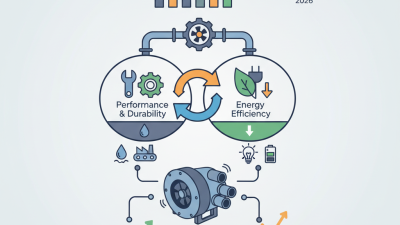
A blower may look powerful on paper, yet fail under heat, altitude, dust, or continuous operation. The U.S. Department of Energy reports that compressed-air systems can waste 20% to 30% of their output through leaks, misuse, and poor maintenance. That figure is a warning. An oversized Regenerative Blower can also consume unnecessary electricity, especially when the system operates below its rated duty.
Ron Marshall, a recognized compressed-air auditor and educator, states, “Compressed air is often the most expensive utility in a plant.” His observation applies to blower selection, too. The lowest purchase price is rarely the lowest operating cost.
Start with measured requirements. Record airflow, pressure, vacuum level, operating hours, gas temperature, and installation altitude. Then compare performance curves, not marketing claims. CAGI guidance encourages buyers to examine verified performance data, motor efficiency, sound levels, and service conditions. These details matter beside a production line, where a constant high-pitched whine can become a daily problem.
Think beyond peak demand. A blower sized for an occasional maximum may run inefficiently for thousands of hours. However, choosing a smaller unit without checking pressure losses can create overheating and unstable production.
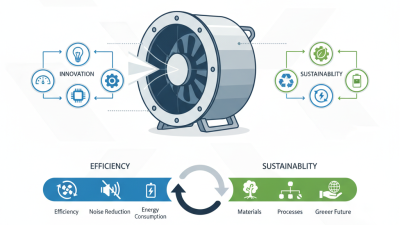
There is no perfect model. A careful choice balances flow, pressure, efficiency, noise, filtration, controls, maintenance access, and total lifecycle cost. This article explains how to evaluate those factors with practical measurements, credible data, and a willingness to question attractive specifications.
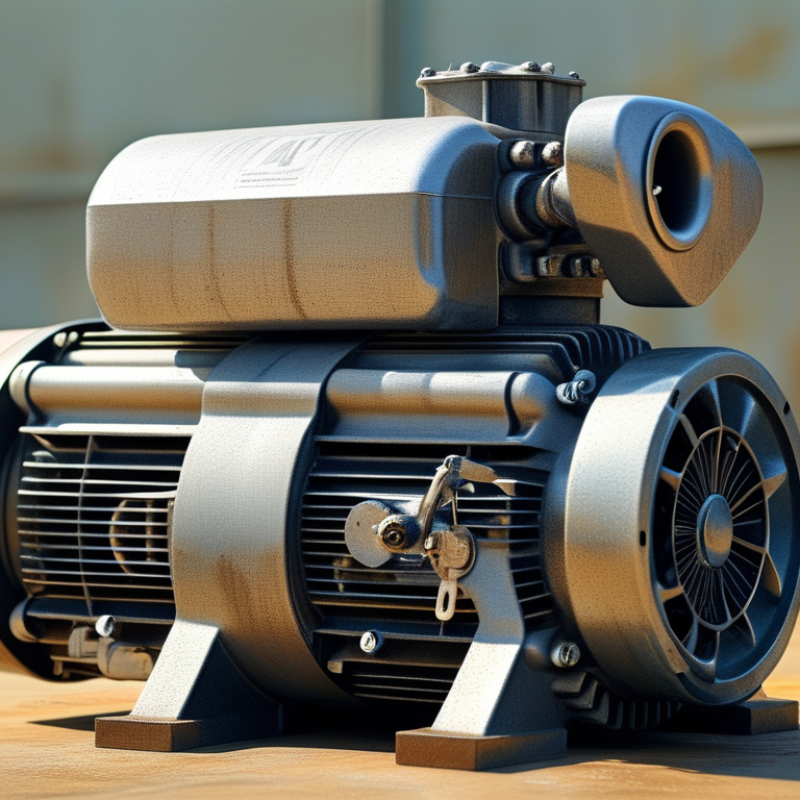
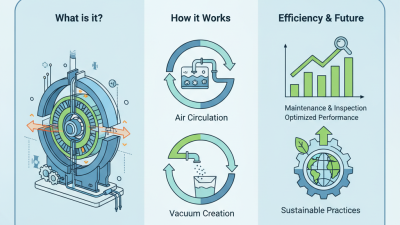
A regenerative blower moves air through a high-speed impeller and a precisely shaped housing. Air enters near the impeller’s center. Rotating blades then guide it around the chamber repeatedly. Each pass adds energy and increases pressure.
This process creates continuous airflow without direct contact between the impeller and housing. It also reduces oil contamination in many applications. However, regenerative blowers are not universal solutions. They perform well with clean, dry air and moderate pressure requirements. Dust, moisture, or blocked filters can reduce performance quickly. Noise may also become noticeable in quiet workspaces.
Choosing the right unit requires more than comparing maximum airflow. Check the required operating pressure, airflow, motor power, voltage, and duty cycle. A blower operating near its limit may overheat or waste energy. Real installations often include bends, narrow pipes, filters, and valves. These details increase system resistance. Measure the complete system when possible. Guessing is tempting, but it often produces an undersized blower.
Tips: Start with the equipment’s actual airflow and pressure data. Leave reasonable capacity for filter loading and seasonal changes. Confirm ventilation around the motor. Inspect filters regularly, and listen for unusual vibration. A simple pressure gauge can reveal problems earlier than temperature alone. Also, review the noise level before installation. Performance is important, but operator comfort matters too.
Choosing a regenerative blower starts with the operating point, not the highest advertised rating. Check required airflow and pressure or vacuum together. A blower producing 300 cubic feet per minute at low pressure may fail when your system needs deeper vacuum. Always compare the performance curve at your actual working point.
Motor power, efficiency, and duty cycle also matter. Continuous industrial operation demands stable cooling and suitable thermal protection. Review the motor’s voltage, frequency, insulation class, and service factor. If the blower runs near its pressure limit, heat and noise can rise quickly. Measure sound levels in the planned installation area, especially near operators.
Tips: Leave practical margin, but avoid excessive oversizing. A larger blower can waste energy and create unnecessary noise. Check inlet filters, pipe diameter, bends, and altitude because each affects real performance. I once trusted a free-air rating and overlooked a restrictive filter. The result was disappointing. Field conditions are rarely perfect.
Evaluate reliability through bearing design, sealing, materials, and maintenance access. Ask for tested curves, not vague maximum figures. Confirm whether the unit supports intermittent or continuous service. A small pressure gauge and flow measurement during commissioning can reveal problems early. Even experienced engineers should recheck assumptions; system losses are easy to underestimate. Look for stable performance, manageable operating costs, and specifications supported by clear technical evidence.
Choosing a regenerative blower starts with the application’s actual air demand. Do not size it from free-air flow alone. Measure the required flow rate at the working pressure or vacuum level. A blower rated for 300 cubic meters per hour without pressure data may perform very differently in service.
List the pipe length, bends, filters, valves, and elevation changes. These details create resistance. A small filter can add noticeable pressure loss when it becomes dirty. Temperature and moisture also matter. Warm air expands, while wet conditions may affect filtration and blower life. The duty point should sit on the blower’s performance curve, not at its maximum rating.
Avoid choosing the largest model “for safety.” Oversizing can increase noise, heat, and electricity use. It may also force operators to waste air through a relief valve. I have seen systems with strong airflow but weak process results because the pressure requirement was underestimated. That mistake is easy to make. Recheck the calculation.
Use measured operating data whenever possible. Record pressure, vacuum, flow, motor load, and ambient temperature during normal production. Then compare those values with verified test data and the supplier’s curve. Leave a practical margin, but keep it reasonable. Real installations rarely match calculations perfectly. That is the part worth reviewing before purchase.
Choosing a regenerative blower begins with the real airflow and pressure required by your system. A unit rated for maximum flow may perform poorly under high resistance. Pressure matters more than catalog maximums. Check the blower curve and locate your expected operating point. A mismatch can increase heat, power use, and premature wear. I recommend measuring pipe length, bends, filters, and valve restrictions before selecting a model.
Efficiency depends on motor performance, impeller design, inlet conditions, and operating temperature. Blocked filters force the blower to work harder. Small leaks can also waste considerable energy over time. In practical installations, I check airflow with a calibrated instrument rather than trusting sound or touch. A quieter blower is not always more efficient. That assumption deserves caution.
Noise is affected by speed, pressure, mounting, airflow turbulence, and vibration transfer through the frame. Flexible connectors and stable supports can reduce structure-borne noise. Durability depends on bearing quality, cooling, sealing, and the cleanliness of incoming air. Dust can damage internal surfaces and restrict cooling paths. Follow the maintenance schedule, but inspect conditions between service intervals. Real equipment rarely operates in a perfect laboratory. Temperature changes, unexpected backpressure, and neglected filters can expose weaknesses that specifications do not show.
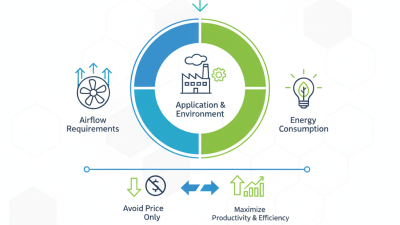
Choosing a regenerative blower starts with the application, not the catalogue. Define required airflow, pressure, vacuum level, duty cycle, and gas temperature. A model that looks powerful may perform poorly at your actual operating point. Read the performance curve carefully. Check whether the stated flow uses standard or actual conditions. That detail can change the selection.
Compare models on the same basis. Match airflow at equal pressure, then examine input power, efficiency, sound level, and motor temperature. Ask for test conditions and tolerances. A lower purchase price may hide higher energy use over 8,000 operating hours. Check inlet filtration, relief protection, cooling clearance, and connection sizes. Installation space matters. So does maintenance access. If the blower runs near its limit, leave a practical margin, but do not oversize it casually. Oversizing can increase noise and waste energy.
Use a weighted comparison sheet covering performance, lifecycle cost, reliability, service support, and compliance documents. Verify materials against the gas, humidity, and particles in your process. A technical drawing should show mounting points and rotation direction, not just outside dimensions. When possible, test the preferred model with a calibrated gauge and flow meter. Field readings often reveal pressure losses in pipes and filters. I have seen clean calculations fail after a restrictive silencer was added. That mistake is easy to repeat. Review the decision with the installer and operator before ordering. Their practical concerns may expose a gap in the specification.
Compare the following representative regenerative blower configurations by pressure, vacuum, airflow, power, noise, and application requirements. Actual performance depends on inlet conditions, operating altitude, temperature, piping resistance, and the manufacturer’s performance curve.
| Configuration | Typical Motor Range | Maximum Pressure Range | Maximum Vacuum Range | Typical Airflow Range | Typical Noise Level | Cooling and Construction | Best-Fit Applications | Selection Advantages | Potential Limitations |
|---|---|---|---|---|---|---|---|---|---|
| Single-Stage, Compact | 0.25–1.5 kW | 80–250 mbar | 50–250 mbar | 40–180 m³/h | Approximately 68–78 dB(A) | Air-cooled motor housing; compact aluminum or cast housing | Small vacuum lifting systems, air knives, packaging equipment, light aeration | Low initial cost, simple installation, low power demand | Limited pressure and vacuum capacity; less suitable for long pipe runs |
| Single-Stage, Medium Capacity | 1.5–4.0 kW | 150–350 mbar | 150–300 mbar | 120–400 m³/h | Approximately 72–82 dB(A) | Continuous-duty motor with integrated or external cooling fan | Material conveying, wastewater aeration, CNC workholding, printing machinery | Balanced airflow, pressure, efficiency, and maintenance requirements | May require acoustic treatment in noise-sensitive work areas |
| Two-Stage, High-Pressure | 2.2–7.5 kW | 300–550 mbar | 250–450 mbar | 80–350 m³/h | Approximately 75–85 dB(A) | Two impellers in series; robust air-cooled construction | Deep vacuum lifting, pneumatic conveying, wastewater oxygenation, industrial suction | Higher pressure and vacuum capability than single-stage units | Higher temperature, noise, power consumption, and purchase cost |
| Three-Stage, High-Vacuum | 4.0–11.0 kW | 450–700 mbar | 350–600 mbar | 60–300 m³/h | Approximately 78–88 dB(A) | Three impellers in series; requires adequate ventilation and thermal protection | High-vacuum clamping, lifting systems with leakage, dense-material conveying | Strong vacuum performance where system leakage or resistance is high | Reduced airflow at maximum vacuum; greater heat and noise management needs |
| High-Flow, Low-Pressure | 0.75–3.0 kW | 80–180 mbar | 50–150 mbar | 250–800 m³/h | Approximately 70–82 dB(A) | Large impeller passages optimized for airflow; air-cooled construction | Air flotation, drying, cooling, broad-surface air knives, low-resistance aeration | High volume flow with relatively low operating pressure | Not appropriate for high-resistance systems or deep vacuum service |
| Variable-Speed Configuration | 1.5–11.0 kW | Application-dependent; typically 100–600 mbar | Application-dependent; typically 100–500 mbar | Adjustable across the rated operating range | Approximately 70–88 dB(A) | Compatible motor and drive system with overload and thermal protection | Processes with changing demand, automated conveying, aeration control, energy-sensitive systems | Improved process control and potential energy savings at partial load | Higher system complexity; drive setup, electromagnetic compatibility, and maintenance must be considered |