Explore the Benefits of Regenerative Air Blowers in China
In recent years, the demand for efficient and reliable pumping systems has surged in various industries across China. A standout solution has emerged in the form of the Regenerative Air Blower. This technology offers notable advantages, particularly in enhancing operational efficiency and reducing energy consumption. Businesses are increasingly seeking ways to improve processes, and regenerative blowers can play a key role in this effort.
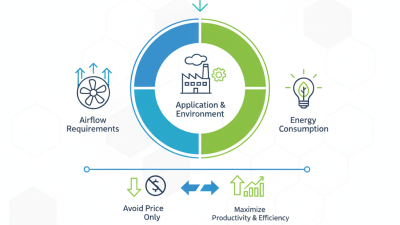
The design of the Regenerative Air Blower allows it to generate a consistent airflow with minimal moving parts. This leads to lower maintenance costs and increased reliability over time. Many companies have reported significant savings on energy bills after switching to regenerative systems. While these benefits are compelling, it's essential for potential users to understand their specific needs before investing. Not every application may find a perfect fit with this technology.
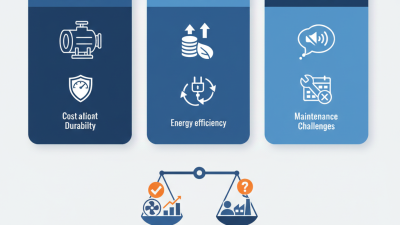
Moreover, the initial cost of purchasing a Regenerative Air Blower can be a concern for some businesses. Evaluating long-term savings versus upfront expenditures is crucial. Users must weigh these factors carefully to make informed decisions. By doing so, companies can leverage the benefits of regenerative blowers effectively and sustainably.
Overview of Regenerative Air Blowers and Their Mechanism
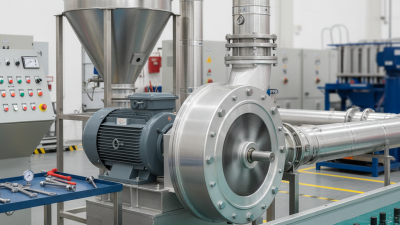
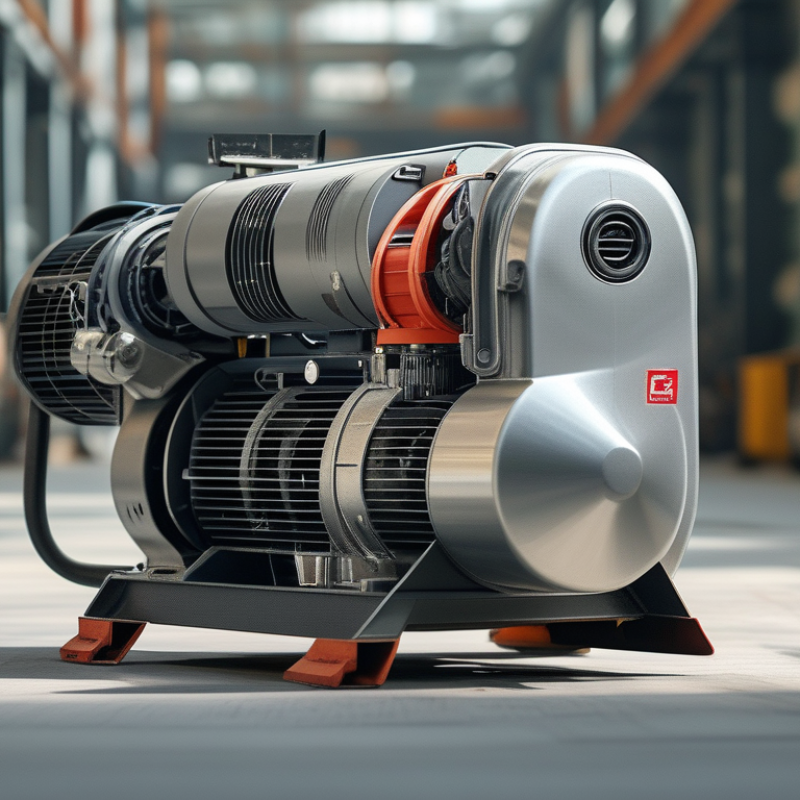
Regenerative air blowers operate on a unique mechanism that enhances efficiency. They utilize a rotating impeller to create airflow. As the impeller spins, air is drawn into the unit and pushed out at a higher pressure. This process requires less energy compared to traditional blowers. The design promotes continuous airflow, making them ideal for various industrial applications.
In China, the usage of regenerative air blowers is increasing. Industries appreciate their reliability and low maintenance costs. These blowers are used in pneumatic conveying, dust collection, and drying processes. Despite their advantages, practitioners must also consider their noise levels. Some users find them louder than anticipated. This factor can impact work environments, especially in sensitive settings.
Efficiency is a significant selling point, yet not all applications may benefit equally. For instance, large-scale operations might face limitations in air volume and pressure. It is essential to assess specific needs before choosing such equipment. The right blower can lead to substantial energy savings. However, proper installation and understanding of their mechanics are crucial for optimal performance.
Key Benefits of Regenerative Air Blowers for Industrial Applications
Regenerative air blowers have gained popularity in industrial applications across China. Their efficiency and reliability make them ideal for various processes. These blowers can deliver high airflow at lower energy costs. This efficiency translates into substantial savings for manufacturers. Many industries benefit from the compact design of regenerative blowers. Their smaller footprint allows for easier installation and integration into existing systems.
One major advantage of regenerative air blowers is their low maintenance requirement. Unlike traditional blowers, they have fewer moving parts. This reduces wear and tear, leading to longer operational lifespans. Users often find that maintenance downtime is minimized. However, the initial installation cost can be a consideration. Some companies may hesitate to invest upfront, despite long-term savings.
Moreover, regenerative air blowers operate quietly. This feature is crucial in settings where noise pollution is regulated. Industries such as food processing and pharmaceuticals value this benefit. Yet, some users report variability in performance depending on specific conditions. Each application is unique, and outcomes can differ. Ongoing adjustments may be necessary for optimal performance in certain situations. Understanding these nuances can enhance the effectiveness of these systems in diverse environments.
Comparison of Regenerative Air Blowers with Traditional Air Blowing Systems
Regenerative air blowers are gaining traction in various industries, especially in China. Compared to traditional air blowing systems, these blowers offer significant operational advantages. Recent industry reports indicate that regenerative air blowers can operate at up to 50% higher efficiency than conventional systems. This is crucial for sectors requiring continuous airflow, such as wastewater treatment and manufacturing.
Traditional systems often rely on positive displacement methods, leading to higher energy consumption and wear over time. In contrast, regenerative blowers utilize a streamlined design that enhances airflow without excessive energy use. However, not all installations benefit equally. Businesses must consider their specific applications and environmental conditions, as improper use can lead to underperformance.
When evaluating regenerative blowers, it’s essential to analyze noise levels, energy consumption, and maintenance needs. Regular maintenance can help maximize their lifespan and efficiency. Industry studies have shown that neglecting maintenance can reduce performance by up to 30%. It’s worth noting that clarity in application requirements can minimize potential pitfalls during selection.
Case Studies: Successful Implementation in Chinese Industries
Regenerative air blowers are gaining traction in various industries across China. A recent report by the China Industrial Innovation Institute highlights that companies using these blowers can see efficiency improvements of up to 30%. For instance, in the textile industry, factories have reported significant energy savings when switching from traditional compressors. This reduction has led to lower operational costs, which is crucial in a competitive market.
In the wastewater treatment sector, success stories abound. A leading facility implemented regenerative air blowers and noted a 25% decrease in power consumption. Their operational reliability improved, with fewer maintenance issues. However, some facilities faced challenges with initial setup costs and system integration. This reflects a need for careful planning before deployment.
Food processing plants also experience the advantages of regenerative blowers. Enhanced airflow supports quicker drying processes, which increases production speed. Nevertheless, some plants struggled with balancing airflow rates. This uneven performance highlights the importance of precise calibration. Overall, these case studies underline the potential benefits and the hurdles that companies must navigate.
Future Trends and Innovations in Regenerative Air Blower Technology
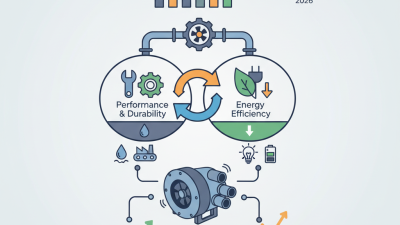
As the demand for energy-efficient solutions grows, regenerative air blowers are becoming essential in various industries. These blowers utilize innovative designs to compress air more effectively. This design leads to lower energy consumption, aligning with global sustainability goals. Yet, achieving optimal performance requires careful selection and installation, and not every facility harnesses their full potential.
Future trends indicate a shift towards smart regenerative blowers. These devices integrate IoT technology for real-time monitoring. Users can optimize airflow based on specific needs. The data gathered also helps in predictive maintenance, reducing unexpected downtime. Yet, adapting to such advanced systems can pose challenges for some users. There might be a learning curve, which could lead to initial inefficiencies as teams adjust.
Moreover, advancements in materials enhance durability and performance. Lightweight composites can make blowers easier to install and maintain. However, these newer materials often come with higher initial costs. Companies must weigh the benefits against the price. As technology evolves, industries in China must stay informed. Exploring these innovations will be crucial for maintaining competitiveness in a rapidly changing market.