



Small Centrifugal Fan Makers Quietly Redefine What Industrial Equipment Can Do
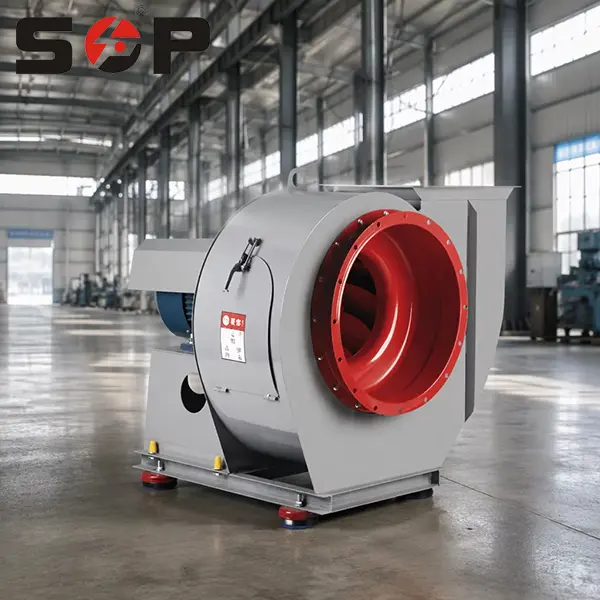
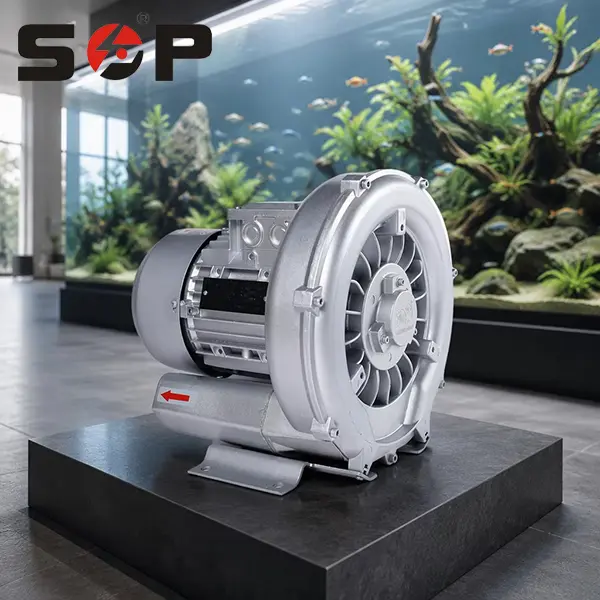
If you’ve walked past any factory floor in the last year, you’ve probably walked right past the unsung workhorse keeping everything running: the centrifugal fan. What you wouldn’t have noticed is how much these unassuming components have changed, and how that shift is rippling through the entire mechanical equipment space.
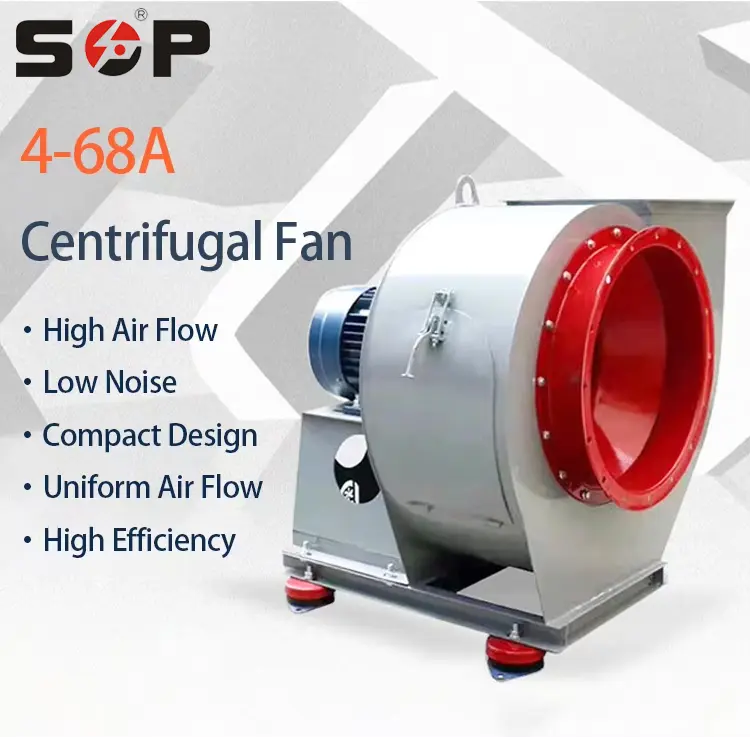
Last month, I sat down with a senior design engineer at a mid-sized ventilation component manufacturer outside Detroit, who’s spent the last three years reworking their fan line for heavy industrial machinery. He told me the biggest shift isn’t in raw power—it’s in precision. Ten years ago, most centrifugal fans for mechanical equipment were sized for maximum output, running at full tilt even when the machine they supported was idling. Today, new variable-speed brushless motor integration paired with aerodynamically optimized impeller designs cuts energy use by up to 32% compared to older models, he said. That’s not a trivial number when you’re running hundreds of machines 24/7.
What’s more surprising is the push for customization. Large industrial equipment OEMs aren’t buying off-the-shelf fans anymore—they’re asking for units tailored to specific vibration profiles and space constraints. One new packaging line for food processing required a Centrifugal Fan that fit into a 15% smaller footprint than standard models, without sacrificing airflow to keep cutting blades cool. Manufacturers that can pivot from mass production to modular, custom designs are scooping up market share right now.
Of course, there are headwinds. Raw material costs for high-grade cast aluminum and steel have fluctuated wildly over the last 18 months, squeezing margins for smaller fan producers. But those that have invested in lightweight composite blade technology are already seeing benefits: not only are the composites cheaper to source right now, they also cut fan weight by 20% and reduce noise output by 8 decibels—a huge win for factories working to meet new workplace noise regulations.
It’s easy to sleep on components like centrifugal fans. But as every plant manager knows, when the fan fails, the whole line stops. The quiet innovation happening in this space right now is what’s making modern, efficient, reliable mechanical equipment possible.