Which Is the Best China Surge Aerator for Global Buyers?
Choosing the best China Surge Aerator for global buyers requires more than comparing prices and motor power. It requires practical testing, clear documentation, and confidence in long-term support. A suitable unit should deliver stable oxygen transfer in ponds, tanks, and aquaculture systems. It should also match local voltage, water depth, climate, and maintenance conditions.
Experienced buyers often inspect impeller design, stainless-steel components, float stability, cable protection, and noise levels. These details matter when equipment runs for many hours each day. For example, a well-designed Surge Aerator should create a consistent water pattern without excessive splashing or uneven circulation. Suppliers should provide performance data, installation guidance, spare-parts availability, and credible factory information. Certifications can help, but they should support real evidence rather than replace it.
No single model fits every market. That is the difficult part. A low-cost aerator may look attractive, yet higher energy use can increase operating expenses over several years. A powerful model may also be unsuitable for shallow ponds or small farms. Global buyers should compare tested output, energy consumption, warranty terms, and after-sales response. Independent inspections or sample orders can reveal weaknesses that brochures often hide. Some specifications may remain incomplete, and buyers should question them directly. This guide examines the key selection points, supplier signals, and real-world trade-offs behind the best China Surge Aerator for international applications. Reliability matters most when water quality depends on continuous performance.
What Is a Surge Aerator and How Does It Work?
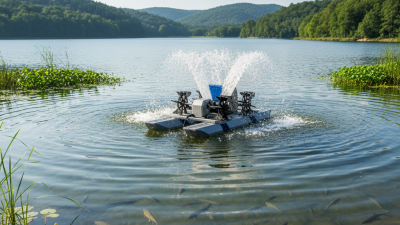
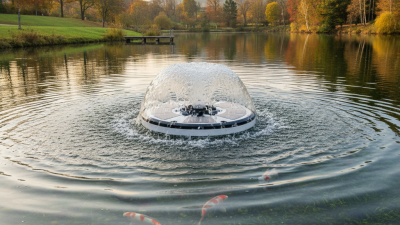
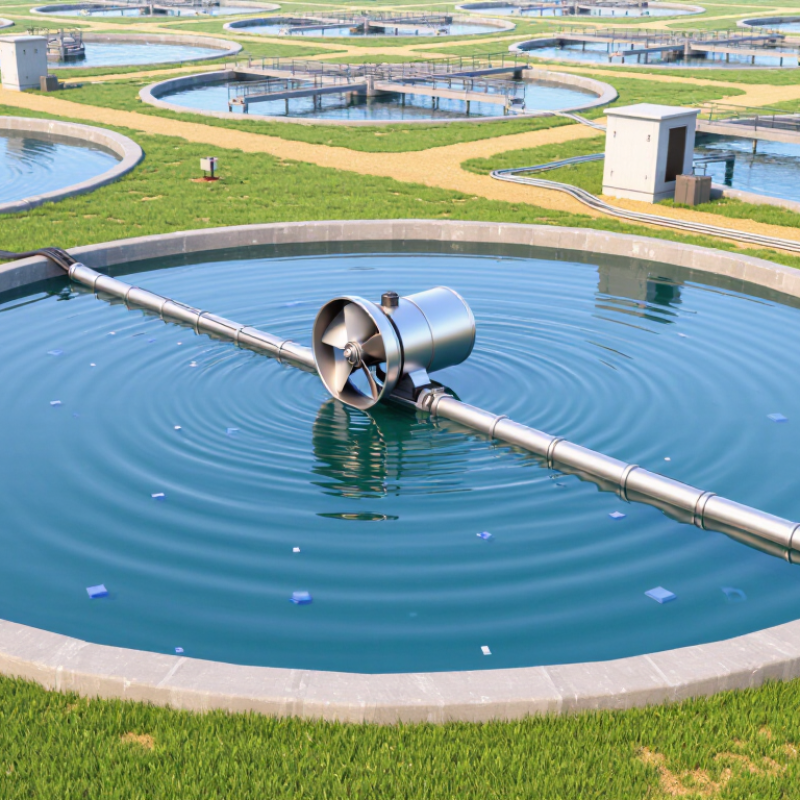
A surge aerator is a mechanical water-aeration device that creates repeated movement across a pond or treatment basin. Instead of releasing only fine bubbles, it lifts water, throws it into the air, and returns it with added oxygen. This action also breaks stagnant surface layers and improves circulation.
Most surge aerators use a motor, impeller, float, and protective frame. The motor turns the impeller, while the impeller pushes water upward or outward. Water droplets contact the air before falling back. Oxygen then enters the water through turbulence and surface exposure. The exact effect depends on water depth, temperature, organic load, and operating time.
For global buyers, performance figures deserve careful checking. A higher horsepower rating does not always mean better oxygen transfer. Ask for tested oxygen-transfer data, power consumption, voltage range, cable specifications, and duty-cycle limits. Stainless steel or reinforced polymer parts may suit different water conditions. Saltwater needs stronger corrosion protection.
Small details matter. Check float stability and intake safety. Confirm spare-part availability before purchase. Installation drawings should show anchoring points clearly. The comparison is not always clean. Laboratory figures can differ from pond results, especially with algae, mud, or heavy stocking. A practical trial remains valuable, even when the supplier provides complete technical documents.
Which Is the Best China Surge Aerator for Global Buyers?
What Is a Surge Aerator and How Does It Work?
A surge aerator intermittently injects or circulates air and water to create repeated high-intensity mixing periods. This operating pattern can improve oxygen distribution, reduce dead zones, and support flexible energy management. The chart compares commonly reviewed technical dimensions for global buyers; actual performance depends on water depth, loading, temperature, salinity, control strategy, and installation design.
Which Performance Specifications Matter Most to Global Buyers?
For global buyers, the best China surge aerator is not defined by horsepower alone. Oxygen transfer efficiency, measured in kilograms of oxygen per kilowatt-hour, deserves close attention. A unit using less energy can reduce operating costs across large ponds. Check water flow, spray height, and effective coverage under real conditions. Marketing figures may describe ideal water. Farm water is rarely ideal.
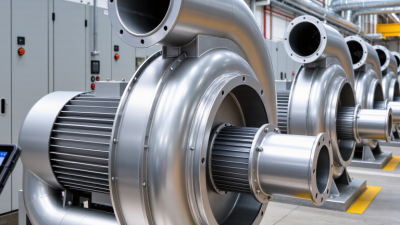
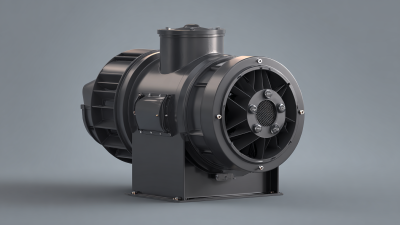
Motor reliability matters when equipment runs for many hours. Look for sealed bearings, suitable insulation, overload protection, and an IP-rated enclosure. Voltage and frequency must match the destination site. A 380-volt, 50-hertz model may not suit every project. Confirm the starting current, cable requirements, and control-panel compatibility before ordering. Noise levels also matter near workers or residential areas. They are often ignored.
Corrosion resistance is practical, not decorative. Stainless steel components, protected fasteners, and durable floats can extend service life in mineral-rich or slightly saline water. Request factory test records, oxygen-transfer data, and videos showing operation under load. Independent laboratory results are stronger than unsupported claims. In my experience, spare-part availability can matter more than a small efficiency difference. One weakness remains: field performance changes with depth, temperature, algae, and maintenance. Buyers should compare test conditions carefully, then arrange a site trial when the project is critical.
Which Is the Best China Surge Aerator for Global Buyers? - Which Performance Specifications Matter Most to Global Buyers?
Comparative performance guide for commonly specified surface surge aerator configurations
Key Performance Specifications for Global Buyers
| Configuration |
Motor Power |
Typical Supply |
Rated Speed |
Typical Water Movement |
Standard Oxygen Transfer Rate |
Standard Aeration Efficiency |
Recommended Pond Area* |
Best-Fit Application |
| Compact surge aerator |
1.5 kW / 2 hp |
220–240 V, 50/60 Hz, 3-phase |
1,450–1,500 rpm |
350–550 m³/h |
2.0–2.8 kg O₂/h |
1.3–1.9 kg O₂/kWh |
800–1,500 m² |
Small ponds, nursery areas and low-density aquaculture |
| Standard surge aerator |
2.2 kW / 3 hp |
220–240 V, 50/60 Hz, 3-phase |
1,450–1,500 rpm |
500–750 m³/h |
3.0–4.2 kg O₂/h |
1.4–2.0 kg O₂/kWh |
1,200–2,200 m² |
General shrimp and freshwater fish production |
| High-output surge aerator |
3.0 kW / 4 hp |
220–240 V or 380–415 V, 50/60 Hz |
1,450–1,500 rpm |
700–1,050 m³/h |
4.0–5.8 kg O₂/h |
1.4–1.9 kg O₂/kWh |
2,000–3,500 m² |
High-density ponds and larger commercial farms |
| Heavy-duty surge aerator |
4.0 kW / 5.5 hp |
380–415 V, 50/60 Hz, 3-phase |
1,450–1,500 rpm |
950–1,400 m³/h |
5.2–7.5 kg O₂/h |
1.3–1.9 kg O₂/kWh |
3,000–5,000 m² |
Large ponds, intensive production and emergency aeration |
Performance Factors That Matter Most to Global Buyers
- Oxygen transfer rate: Compare kilograms of oxygen transferred per hour under clearly stated test conditions.
- Aeration efficiency: A higher kg O₂/kWh value generally indicates lower operating cost at equivalent oxygen demand.
- Voltage and frequency compatibility: Confirm 50 Hz or 60 Hz operation, phase requirements and motor protection before ordering.
- Motor enclosure and insulation: Outdoor aquaculture equipment should normally use a protected enclosure, corrosion-resistant hardware and suitable insulation for humid environments.
- Float stability and materials: UV-resistant floats, stainless or corrosion-resistant fasteners and a secure frame improve service life in continuous outdoor use.
- Maintenance access: Buyers should check impeller removal, seal replacement, bearing access, overload protection and availability of spare parts.
*Pond-area recommendations are indicative planning ranges only. Actual requirements depend on species, stocking density, water temperature, organic load, pond depth, salinity, dissolved-oxygen targets and the operating schedule. Oxygen-transfer and efficiency values should be verified through a standardized test report because field performance varies with water quality and installation conditions.
How Do Chinese Surge Aerator Manufacturers Compare?
Chinese surge aerator manufacturers differ more in process control than in appearance.
FAO’s The State of World Fisheries and Aquaculture 2024 reported 130.9 million tonnes of global aquaculture production in 2022, including aquatic animals and algae. That scale increases demand for reliable pond oxygenation. Manufacturers with documented motor testing, corrosion-resistant materials, and stable oxygen-transfer results deserve closer attention.
Many Chinese factories offer flexible voltage, impeller options, and private-label production. However, specifications are not always measured under identical water conditions. Some publish maximum oxygen capacity without stating salinity, depth, or test temperature. That weakens direct comparison. Buyers should request oxygen-transfer efficiency, power consumption, insulation class, ingress protection, noise readings, and continuous-running test records. The International Energy Agency notes that efficient motors can reduce electricity demand across industrial applications, making watt-per-kilogram performance important during long aeration cycles. A cheaper unit may become expensive after several months.
Tips:
Ask for third-party test reports, factory audit evidence, spare-part lists, and warranty response times. Check whether the supplier can explain test methods clearly. No comparison is perfect. A factory may pass inspection yet struggle with after-sales communication. Trial two units in similar ponds, record dissolved oxygen before sunrise, and compare energy use over seven days. Small details matter.
What Certifications and Standards Should Buyers Verify?
For global buyers, the best China surge aerator is not simply the fastest model. Its documents must match the destination market, voltage, and pond environment. FAO’s The State of World Fisheries and Aquaculture 2024 reported 94.4 million tonnes of farmed aquatic animals in 2022. This scale makes equipment reliability and electrical safety increasingly important. Buyers should request an ISO 9001 certificate, but remember its limits. It confirms a quality management system, not aerator performance or motor safety.
Check the complete compliance file. IEC 60204-1 supports safe electrical equipment for machinery, while ISO 12100 covers machinery risk assessment. IEC 60529 ratings, such as IP55 or IP66, show protection against dust and water. The declared rating must match the motor enclosure, cable glands, and control box. For European sales, verify applicable CE requirements, including low-voltage, electromagnetic compatibility, and RoHS rules. CE is a declaration of conformity, not automatically an independent laboratory certificate. For other markets, ask for recognized laboratory reports, local registration, or an applicable CB Scheme report. Requirements vary.
Tips: Request the certificate number, testing laboratory, product model, voltage, and expiry date. Compare every detail with the nameplate. An ISO certificate for a factory may not cover your aerator. Ask for a witnessed running test, insulation test, noise reading, and energy data. The International Energy Agency continues to identify motor systems as major industrial electricity users, so efficiency deserves attention. A certificate alone cannot reveal poor pond circulation. That part still needs practical verification.
How Can Buyers Select the Best China Surge Aerator?
Selecting the best China surge aerator starts with pond conditions, not catalog price. FAO’s The State of World Fisheries and Aquaculture 2024 reports 94.4 million tonnes of farmed aquatic animals in 2022. That scale makes oxygen reliability a production issue. Buyers should request oxygen transfer rate, power consumption, and operating depth under the same test conditions. A high motor rating does not automatically mean better oxygen delivery.
Check the details.
Compare stainless-steel grades, corrosion protection, cable quality, and the motor’s IP rating. Ask for test records, wiring diagrams, spare-parts lists, and a clear warranty process.
OECD-FAO Agricultural Outlook 2023–2032 projects global fish production to approach 202 million tonnes by 2032, increasing pressure on efficient farm equipment. For export orders, confirm voltage, frequency, plug design, customs documents, and local service capability before payment.
Test one sample in water matching the farm’s salinity and depth. Freshwater results can mislead.
I have seen buyers focus on noise and appearance, while ignoring oxygen output at peak load. That is an expensive blind spot.
A cheaper unit may still consume more electricity over several growing cycles.
Also, published performance figures deserve skepticism when testing methods are unclear.