Best Waving Surge Aerator for Efficient Water Treatment Solutions?
In the quest for efficient water treatment solutions, the Waving Surge Aerator stands out as a promising innovation. This device enhances the aeration process, crucial for maintaining water quality. Its design focuses on maximizing oxygen transfer, meeting the increasing demands of various treatment plants.
The Waving Surge Aerator is engineered for optimal performance. Its unique wave motion generates turbulence, promoting better oxygen diffusion. This mechanism not only improves efficiency but also reduces energy consumption. Many professionals have observed significant improvements in water treatment effectiveness, making it a valuable asset.
However, success with the Waving Surge Aerator requires proper installation and maintenance. Neglecting these aspects can lead to suboptimal results. Ensuring the aerator functions at its best is vital for achieving the desired water quality. While this technology offers great potential, ongoing assessment and adaptation are essential for sustained success in water treatment.
Overview of Waving Surge Aerators in Water Treatment
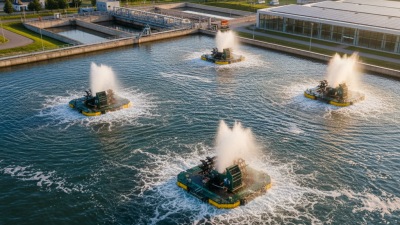
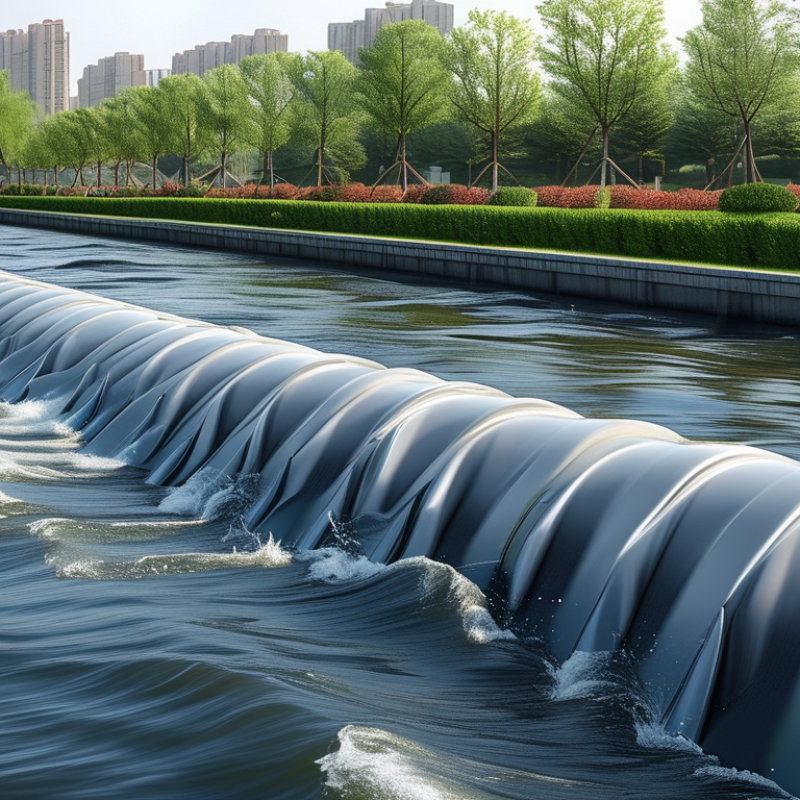
Waving surge aerators are vital in modern water treatment systems. They enhance oxygen transfer, crucial for aerobic processes. This mechanism involves wave formation, which increases the surface area for gas exchange. In turn, this boosts the efficiency of biological treatment.
These aerators also address challenges like high energy consumption. Traditional aeration methods can be wasteful. Waving surge aerators offer a more sustainable alternative. They operate with lower energy requirements. However, optimal performance depends on proper installation and ongoing maintenance. Neglect can lead to decreased efficiency.
Moreover, understanding the dynamics of water flow is essential. Poor design can hamper the benefits of these systems. Each treatment setting is unique. That’s why careful assessment is necessary before deployment. Environmental conditions must be factored in as well. Balancing efficiency with cost-effectiveness remains a continuous effort.
Principle of Operation for Waving Surge Aerators
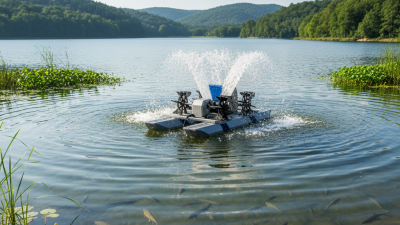
Waving surge aerators play a pivotal role in modern water treatment solutions. Their operational principle revolves around creating surface waves, which enhance oxygen transfer efficiency. This method significantly increases the contact area between air and water. In fact, studies show that these aerators can achieve oxygen transfer rates of 1.5 to 2.5 kg O2/kWh, outperforming traditional methods.
When water moves through the aeration system, the unique wave patterns induce turbulence. This turbulence promotes mixing, leading to better oxygen absorption by the water. Reports indicate that the surge produced can effectively reduce energy consumption by up to 30% compared to conventional systems. The design also allows for scalability, making them suitable for various treatment facilities.
However, the effectiveness of waving surge aerators can be influenced by water quality parameters. Factors such as temperature, organic load, and pH may affect performance. It's essential for operators to continuously monitor these variables. Regular assessments ensure optimal functionality and identify areas for improvement. This proactive approach safeguards reliable operation and enhances treatment outcomes.
Advantages of Using Waving Surge Aerators in Water Treatment
Waving surge aerators revolutionize the water treatment process. They enhance aeration efficiency and reduce operational costs. These systems utilize waves to mix water, increasing oxygen transfer rates effectively. As a result, wastewater treatment becomes more efficient, ensuring cleaner effluents.
One key advantage is reduced energy consumption. Waving surge aerators often operate with less energy than traditional aeration methods. They optimize the mixing process, utilizing natural wave action to create turbulence. This means lower electricity bills and a smaller carbon footprint.
Tips: Regular maintenance is crucial to keep your aerator functioning optimally. Check for blockages in the aeration system. It’s essential to inspect the aerator for wear and tear periodically.
The design can be a drawback. Sometimes, the
complex setup requires expert installation. This might lead to higher initial costs. However, the long-term benefits often outweigh these upfront expenses. Overall, their effectiveness in promoting ecological balance makes them a valuable tool in
water treatment.
Factors to Consider When Choosing a Waving Surge Aerator
When selecting a waving surge aerator, several key factors must be considered. Efficiency is crucial. Research indicates that aeration contributes significantly to wastewater treatment. Approximately 25% of total operational costs can be attributed to aeration processes. Therefore, choosing an aerator that optimizes oxygen transfer is vital for both performance and cost-effectiveness.
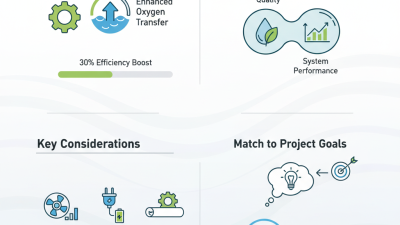
Another essential factor is the design of the aerator. A well-designed wave pattern enhances mixing and increases oxygen transfer rates. Studies show that aerators with superior wave dynamics can boost oxygen transfer efficiency by up to 30%. This improvement can directly impact the overall health of aquatic ecosystems. The durability of materials used in construction also plays a role. High-quality components reduce maintenance and prolong the lifespan of the aerator.
Finally, understanding local regulations and environmental conditions is important. Different installations may have unique requirements based on geographic and climatic factors. Ignoring these aspects can lead to inefficiencies or compliance issues. Therefore, a thorough analysis of site conditions can prevent costly mistakes. Evaluating these factors ensures that the selected aerator aligns with both regulatory standards and operational needs.
Comparative Analysis of Leading Waving Surge Aerators on the Market
Waving surge aerators play a crucial role in enhancing water treatment efficiency. They incorporate wave dynamics to optimize aeration, leading to improved oxygen transfer rates. Studies show that effective aeration systems can reduce energy consumption by up to 30%. This fosters a more sustainable approach in water treatment facilities.
When evaluating different models, it’s vital to consider specific metrics. Air flow rate, oxygen transfer efficiency, and maintenance requirements are key factors. Some reports indicate that models with higher turbulence levels tend to offer better mixing. However, increased turbulence can also lead to higher energy costs. It's essential to find the right balance.
Tips: Regular maintenance enhances longevity. Schedule routine checks on aerators to prevent issues. Comparing installation costs and longevity can provide insights into overall efficiency. Before making a choice, analyze your facility's unique needs for optimal performance.