Leave Your Message

How to Choose the Right High Pressure Regenerative Blower

Choosing a High Pressure Regenerative Blower starts with the job, not the catalog. A blower that performs well on a clean test bench may struggle when connected to long pipe runs, fine filters, or several air outlets. Before comparing models, record the required pressure and flow rate at the operating point. Also note the gas temperature, installation altitude, duty cycle, and available power supply. Small details matter.

Look closely at the system’s resistance. A narrow hose, clogged filter, or sharp elbow can raise pressure loss and reduce delivered airflow. Ask suppliers for performance curves, not just maximum-pressure figures. Check the curve against your actual operating conditions, and confirm whether the stated values apply to continuous operation. Noise and heat deserve attention, too. A compact unit can still warm a small enclosure noticeably.

Material choice depends on the gas and environment. For ordinary air, standard construction may be suitable; moisture, dust, or corrosive vapors call for closer review. Confirm inlet filtration, sealing, cooling, and maintenance requirements with the manufacturer. These questions are practical, not overly cautious. The “best” blower is not always the largest or most powerful model. Oversizing can waste energy, while undersizing may leave a process short of airflow. There is no perfect shortcut. Compare verified specifications, installation limits, service access, and total operating cost before deciding. A careful selection should fit the real system, including the parts that are easy to overlook.
How to Choose the Right High Pressure Regenerative Blower

Define the Application and Operating Requirements

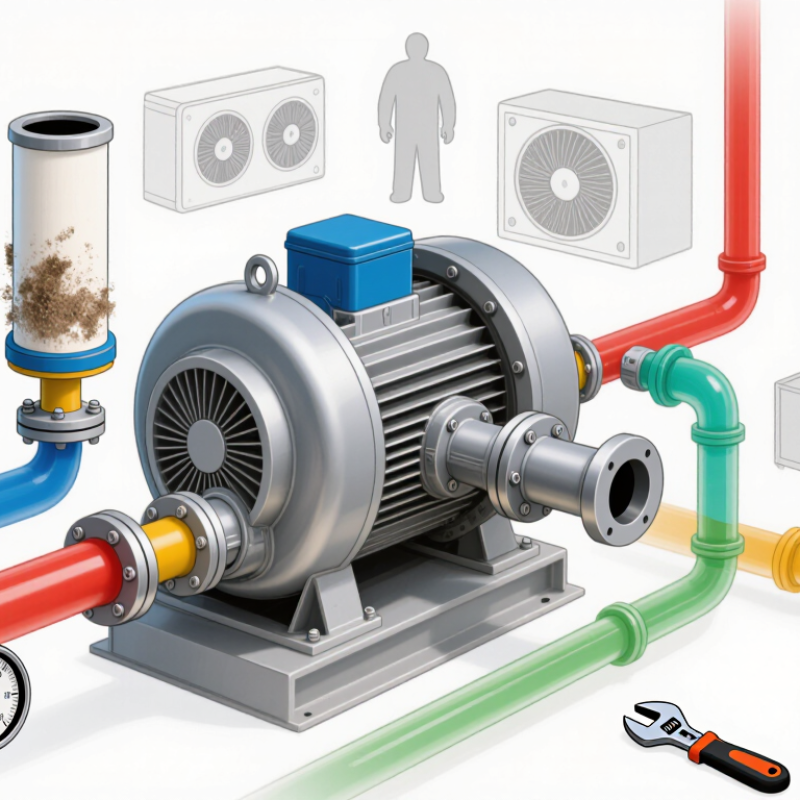
Before comparing high pressure regenerative blowers, define what the system must do. Record the required airflow and pressure differential at the actual operating point, not just the equipment’s maximum ratings. A blower serving a small vacuum fixture may face different demands from one supplying air through a long, narrow pipe. Measure the pipe length, bends, filters, and outlet restrictions. Small details matter.

Describe the duty cycle, too. Will the blower run continuously, start and stop often, or operate only during short production stages? Note the gas temperature, ambient conditions, and whether the air contains moisture or dust. These factors can affect performance and maintenance needs. Be specific. If measurements are uncertain, say so; estimates can lead to an oversized unit, unnecessary noise, or disappointing airflow. A little uncertainty is normal.

Compare the required flow and pressure with the blower’s performance curve, and check the values at your expected operating conditions. Leave reasonable room for changes in filters or process demand, but avoid choosing capacity based only on a large safety margin. That can create its own problems. I would also verify available electrical supply, installation space, and ventilation before selection. It is easy to overlook these until the equipment is on site. Revisit the assumptions after a trial run, since real piping and operating habits may differ from the original specification.
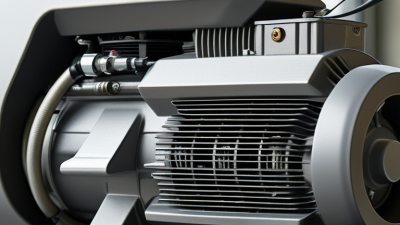
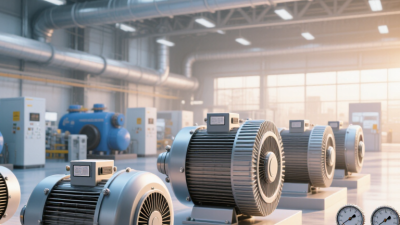
How to Choose the Right High Pressure Regenerative Blower

Define the application and operating requirements before selecting a blower.

Compare the required airflow with the pressure differential at the operating point. Positive pressure values indicate blower discharge pressure; negative values indicate vacuum. These representative values are for initial planning only—confirm actual duty requirements, including system losses and operating conditions, before sizing equipment.

Compare Pressure, Flow, and Performance Specifications

Choosing a high pressure regenerative blower starts with the operating point, not the largest number on a product sheet. Compare the required pressure and airflow at the same time. A unit’s maximum pressure may occur when airflow is very low, while its maximum flow may be available only at minimal pressure. Numbers can mislead. Check the performance curve at your actual operating pressure, then allow for losses through pipes, filters, bends, and valves. A narrow hose or clogged filter can change the result.

Tips: Write down the required pressure, flow, duty hours, and inlet conditions before comparing models. Confirm whether the stated figures assume clean, standard air. Keep a little margin, but avoid oversizing without reason.

Performance also depends on heat, noise, and motor load. Ask for expected operating temperature and sound levels, especially if the blower will run near workers or sensitive equipment. Check whether the motor can handle continuous operation and whether the installation provides adequate cooling. In practice, system resistance is easy to underestimate; a long pipe run may add more loss than expected. There is no perfect shortcut. Recheck the pressure and flow after installation, because the real setup may differ from the estimate.

Select Materials, Seals, and Motor Configuration

How to Choose the Right High Pressure Regenerative Blower

Housing material should match the air, not just the purchase price. Aluminum keeps weight down and sheds heat; cast iron offers rigidity and can reduce vibration. For humid or salty air, check corrosion resistance at the actual operating temperature. Small details matter. A coating may look reassuring, yet a chipped edge can expose the base metal.

Choose shaft seals around leakage limits, dust exposure, temperature, and service access. A non-contact labyrinth seal can reduce friction, but it may allow more leakage than a tight process requires. A contact seal may control leakage better, though wear and heat need attention. Ask for the seal’s operating limits, not merely its material name. A catalog match can mislead.

Motor configuration affects both energy use and reliability. Confirm voltage, phase, frequency, starting method, and whether speed control is needed. A variable-frequency drive can help match output to demand, but check motor cooling at reduced speed. The U.S. Department of Energy’s 2014 motor-system sourcebook reports that motor-driven systems use about 68% of U.S. manufacturing electricity. That figure makes efficiency worth checking against the actual duty cycle. IEC 60034-30-1 defines motor efficiency classes; compare rated performance, not only the class label. Real installations are messier. Verify airflow, pressure, and ambient temperature together.

How to Choose the Right High Pressure Regenerative Blower - Select Materials, Seals, and Motor Configuration

Selection Dimension Common Option Suitable Conditions Key Benefits Considerations
Housing and impeller material Cast aluminum alloy General-purpose air service in typical indoor or protected installations Relatively light, corrosion-resistant in many ordinary environments, and widely used for blower housings and impellers Confirm compatibility with moisture, chemicals, abrasive particles, and the specified operating temperature
Housing and impeller material Cast iron Installations where a robust metal construction is required and the conveyed gas is compatible with the material Rigid construction and good resistance to mechanical wear Heavier than aluminum and can corrode in wet or chemically aggressive conditions without appropriate protection
Housing and impeller material Stainless steel Applications requiring enhanced corrosion resistance, subject to the specific gas and cleaning chemicals Can offer better corrosion resistance than standard aluminum or cast iron in suitable environments Grade selection matters; verify compatibility with the actual gas, condensate, temperature, and cleaning process
Internal running clearances Non-contact impeller-to-housing design Most regenerative blower arrangements using close clearances rather than rubbing contact Avoids normal impeller-to-housing contact during operation and supports continuous gas movement through the side channel Keep the inlet gas clean and prevent foreign objects from entering; follow the specified installation and operating limits
Shaft sealing Labyrinth or clearance-type seal General air handling where limited leakage at the shaft is acceptable Non-contact sealing can reduce wear compared with a rubbing seal Not a zero-leakage solution; suitability depends on gas properties, pressure, and the equipment design
Shaft sealing Contact lip seal Applications where the specified design uses a contact seal to limit leakage Can provide tighter shaft leakage control than a simple clearance arrangement Seal life can be affected by shaft speed, temperature, contamination, and dry-running conditions; check maintenance requirements
Motor supply Single-phase AC motor Smaller installations supplied by a compatible single-phase power source Can be convenient where three-phase power is unavailable Available power and starting characteristics may limit the range of blower sizes; check the motor nameplate and supply voltage
Motor supply Three-phase AC motor Industrial installations with a compatible three-phase supply Common choice for larger equipment and continuous-duty industrial service Match voltage, frequency, phase, current, and motor rating to the electrical supply and required operating point
Speed control Fixed-speed motor Applications with stable flow and pressure requirements Simple control arrangement when the process demand remains consistent Flow and pressure are not continuously adjusted by changing motor speed; use appropriate system controls
Speed control Variable-frequency drive (VFD)-compatible motor Applications with changing flow or pressure demand, when the blower and motor are approved for speed control Allows operating speed to be adjusted to suit process demand Confirm the permitted speed range, cooling requirements, drive settings, and blower performance limits before operation
Motor enclosure and location Totally enclosed fan-cooled (TEFC) motor Many standard industrial locations where the motor is exposed to ordinary dust or splashing risk Enclosed construction with external cooling airflow over the motor frame TEFC does not mean waterproof or suitable for every hazardous location; verify the enclosure rating and site conditions
Hazardous-area requirements Certified motor and electrical equipment for the classified area Locations classified as hazardous because of flammable gases, vapors, or combustible dust Equipment can be selected to meet the applicable area classification when properly specified Confirm the area classification, gas or dust group, temperature class, and local electrical code with a qualified professional

Selection note: Select a blower from the required flow rate and differential pressure at the actual inlet conditions. Confirm gas composition, temperature, altitude, duty cycle, noise limits, and allowable operating range with the equipment supplier before purchase.

Check Installation, Controls, and Maintenance Needs

Choosing a high-pressure regenerative blower starts with the installation site. Check the required airflow and pressure against the blower’s performance curve, not just its maximum rating. Measure twice. Leave room around the unit for cooling air and routine access. Mount it on a firm, level base, and support connected pipes separately so their weight does not strain the housing. Keep the inlet filter accessible; a clogged filter can reduce airflow and raise operating temperature. Add suitable pressure and temperature monitoring where the process requires it. Follow the equipment instructions for clearances, piping, and allowable operating limits.

Controls should protect the blower without causing unnecessary stops. Set overload protection to match the motor nameplate, and confirm that pressure switches respond at the intended setpoints. A variable-frequency drive may help adjust output, but only when the motor and blower are approved for that operating range. During commissioning, record current, pressure, airflow, and sound. Those readings give technicians a useful baseline. It happens: an unusual hiss may come from a loose fitting, not a failing blower.

For maintenance, inspect filters, connections, mounting bolts, and wiring on a regular schedule. Compare motor current and casing temperature with the commissioning record, and investigate gradual changes. Shut off and isolate power before inspection. Keep a simple log, even if the readings seem repetitive; missed trends are easy to overlook.

Assess Energy Use, Lifecycle Costs, and Supplier Support

How to Choose the Right High Pressure Regenerative Blower

Energy use is easiest to compare at your actual operating point, not from a nameplate rating alone. Record required airflow, pressure, operating hours, and inlet conditions. Then ask suppliers for estimated power draw at those conditions. A small pressure mismatch can change energy use noticeably. Check whether filters, pipe bends, or a partly closed valve add resistance. Measure where possible. Estimates are not measurements.

Tips: Compare annual energy costs using your local electricity rate and realistic run hours. Include filter changes, inspections, downtime, and replacement parts. Ask what assumptions the quote uses. A tidy spreadsheet can still miss a clogged filter or seasonal demand change.

Supplier support matters throughout the blower’s service life. Ask who handles commissioning, what operating data they need, and how quickly common parts can be supplied. Request clear maintenance intervals and troubleshooting guidance. Check whether support is available during your normal operating hours. Also compare warranty terms and service charges in writing. The cheapest purchase price may not be the lowest lifecycle cost. Still, predicting every repair is difficult; leave room in your budget for wear and unexpected downtime.