

Roots Air Blower: A Quiet Workhorse Reclaiming Its Edge in Modern Industrial Operations
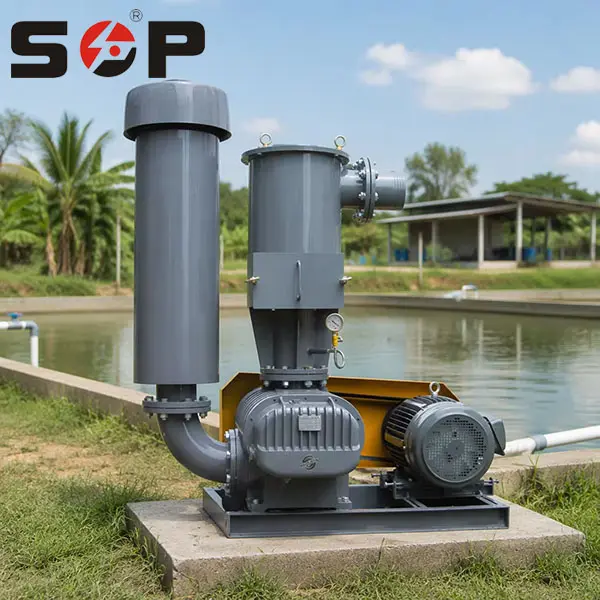
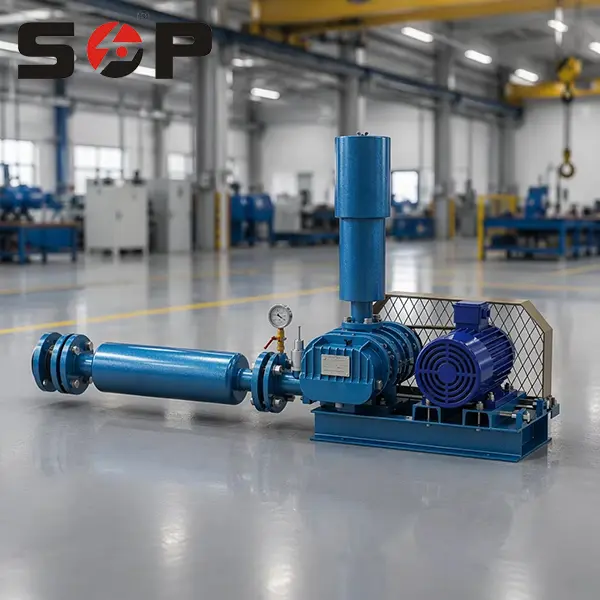
If you walk through a wastewater treatment plant, a large-scale aquaculture farm, or a pneumatic conveying line these days, you will almost certainly hear the familiar low, steady hum of a roots air blower somewhere in the background. For decades, these positive-displacement machines have been the unglamorous backbone of countless industrial processes, reliably moving consistent airflow through piping systems even under harsh, non-stop operating conditions.
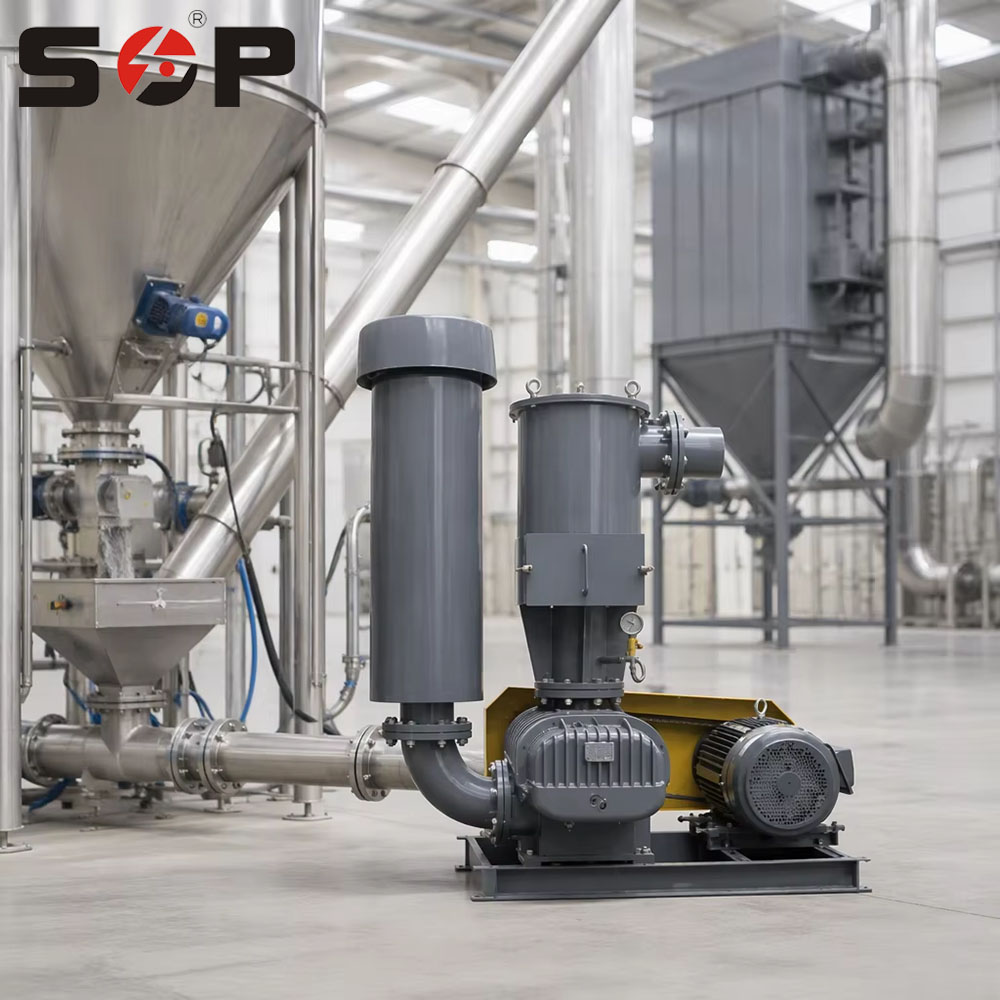
What many operators are noticing now is that the conversation around these units is shifting. Instead of debating whether to replace every existing roots blower with a high-end alternative, more teams are focusing on what they already have on the floor. A lot of legacy units that have run for years are still mechanically sound, but they are dragging behind on outdated control panels that offer no remote visibility, no built-in fault alerts, and no easy way to track real-time performance across shifts.
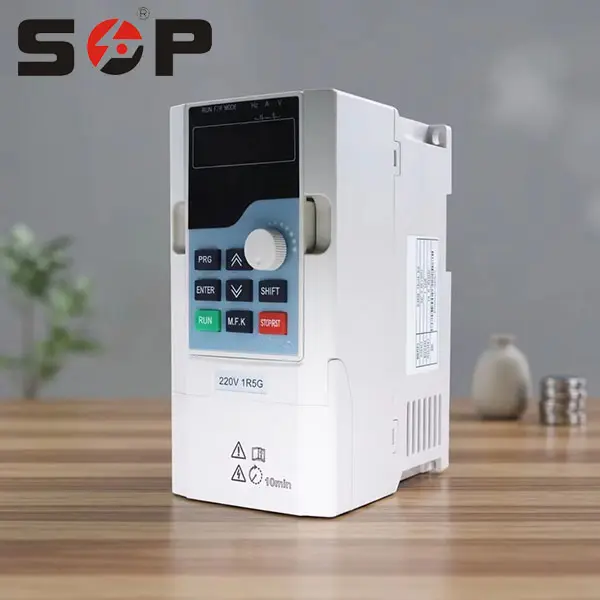
The biggest shift we are seeing on site is not in brand-new blower installations, but in practical, targeted upgrades. Facilities are pairing their trusted existing Roots Blowers with modern variable-frequency drives, basic remote monitoring tools, and improved sealing kits that extend service intervals without forcing a full, costly machine swap. This approach lets teams lock in steady airflow output, cut unnecessary runtime waste, and keep the machine they already know how to maintain.
For sectors that cannot afford unexpected downtime on critical aeration or material transfer lines, the roots air blower never really went out of fashion. It is just getting a second, smarter life, as operators rediscover that reliability, easy field repairability, and steady performance still beat overcomplicated premium alternatives for many real-world jobs.