
Paddle Wheel Aerator Remains the Go-To Workhorse for Modern Fish Pond Operations
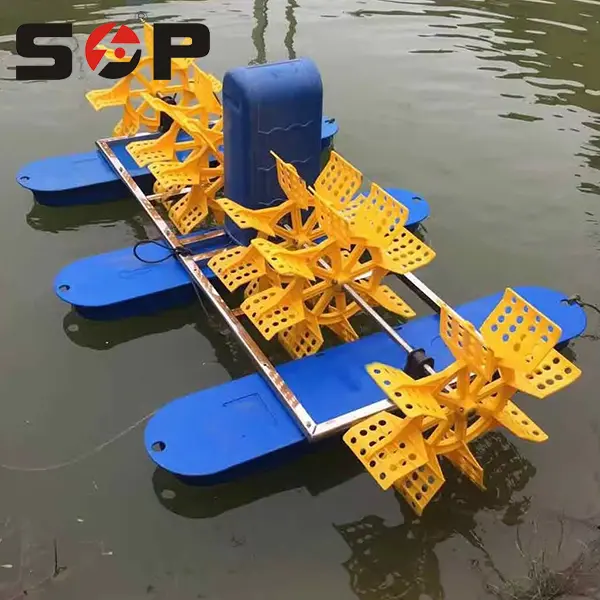
The paddle wheel aerator, a staple sight on fish ponds across southern China for generations, is holding strong as the most trusted aeration choice for small family farms and large commercial aquaculture operations alike this year, even as newer aeration designs flood the market.
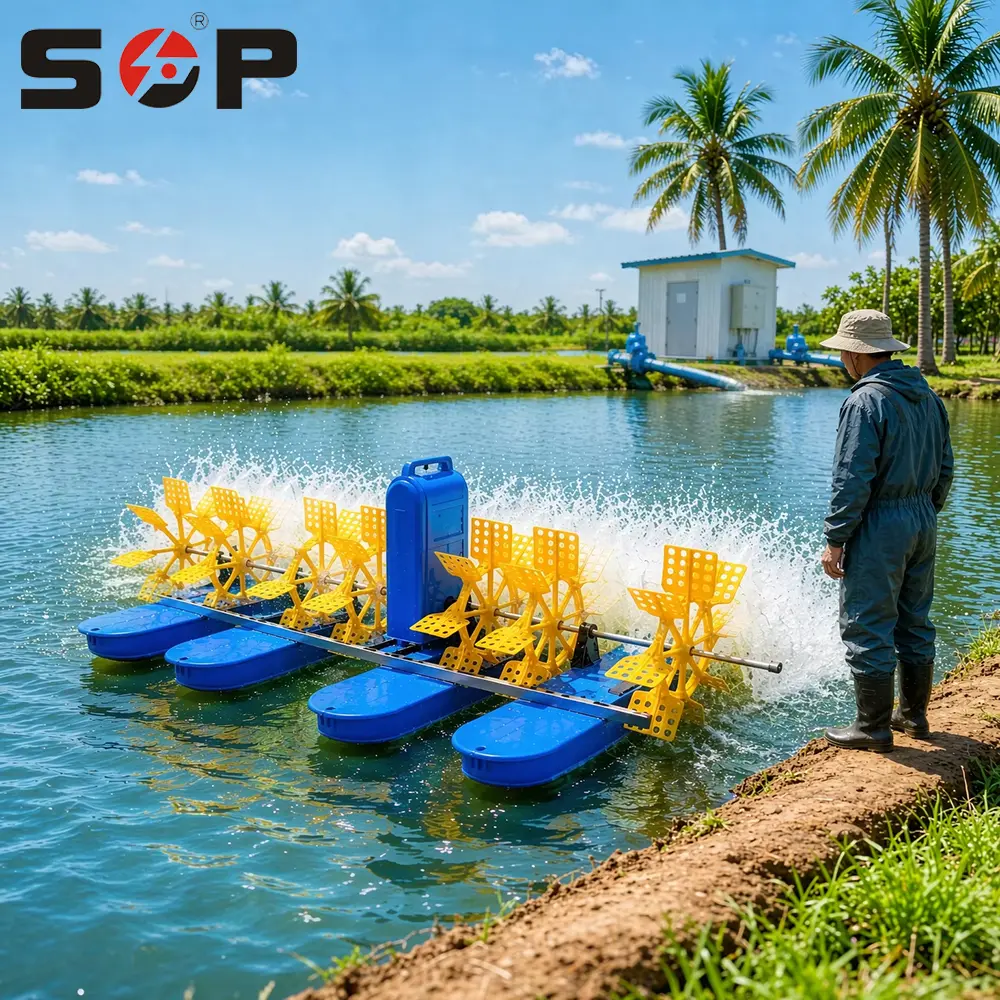
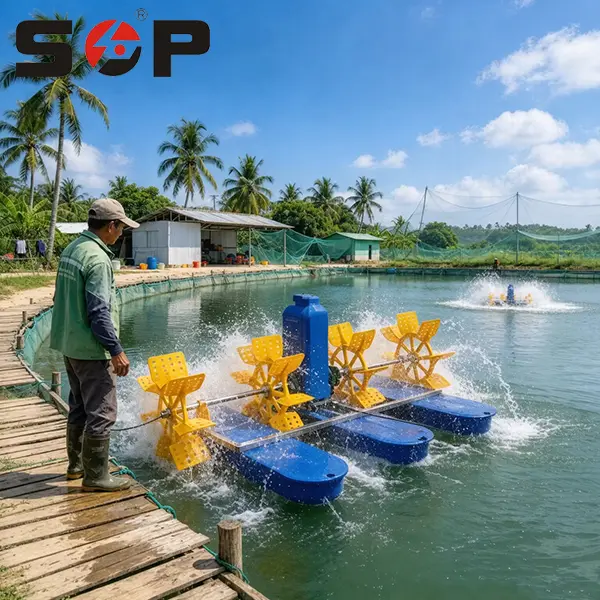
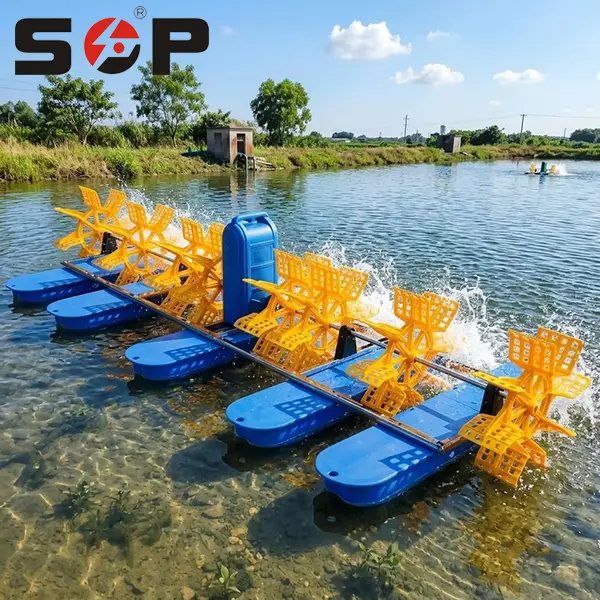
The core of its lasting appeal lies in its dead-simple, no-nonsense build. A set of wide paddles mounted on a horizontal axle churns the pond surface at steady speed, splashing huge volumes of water into the air to pick up oxygen before dropping it back across the pond. This action does far more than just aerate: it creates a slow, consistent circular current that pushes oxygen-rich surface water out to every corner of the pond, eliminating the low-oxygen dead zones that stress fish overnight.
Veteran pond operators who have relied on these units for decades say nothing beats them for on-site practicality. When something needs fixing, you do not need a specialized technician or submersible gear. Most routine repairs, paddle swaps and bearing checks can be done right at the edge of the pond with basic hand tools, no need to drain water or haul heavy equipment out of the mud.
This year, many operators are pairing the classic paddle wheel design with small, practical upgrades, like sturdier corrosion-resistant frames and better sealed motor housings that stand up to constant splashing and humid coastal weather. Even with these small tweaks, they have kept the core mechanics unchanged, so every farm hand already knows exactly how to work on them without extra training.
For anyone running a fish pond, the paddle wheel aerator never surprises you. It does not shut down unexpectedly in the middle of the night when oxygen levels drop, it does not get clogged with pond sludge, and it does not demand fancy spare parts you cannot pick up from the local farm supply shop. That quiet, unshakable reliability is why it still sits at the center of so many pond operations, year after year.